320km
13 days, 12 nights
Spain
April 2025
Camino
People from across the world are drawn to the Camino in the name of historical, spiritual, personal, and adventurous pursuits. It’s a unique walk (very different to anything we’ve experienced in Australia) with a strong social element and small luxuries along the way (hot shower and a real bed every night!). Imagine walking through Spain and stopping for a cafe con leche for breakfast, or a sangria and Spanish omelette for lunch, all while exploring the Spanish countryside. This walk has all the trademarks of a European holiday (quaint villages, incredible food) along with a healthy serving of exercise and adventure.
The many characters of the Camino is what makes it so memorable and unique. You may occasionally hear mention of a ‘Camino angel’ who aids pilgrims along the way. We helped a woman from Israel temporarily fix her hiking sticks with tape, and she named us her angels. Our angels on the other hand were our gentle friend from Germany who kept our minds busy with interesting philosophical chatter as we climbed mountains, and a DJ from San Diego who helped keep morale high with wild stories and loud laughter on our 32km day. Over 13 days these characters kept us entertained as we guessed their names, came up with back-stories, and chatted for hours as we walked or shared a meal in the albergues. The arrival of each and every character in Santiago were celebrated as members of the whole group slowly filed in.
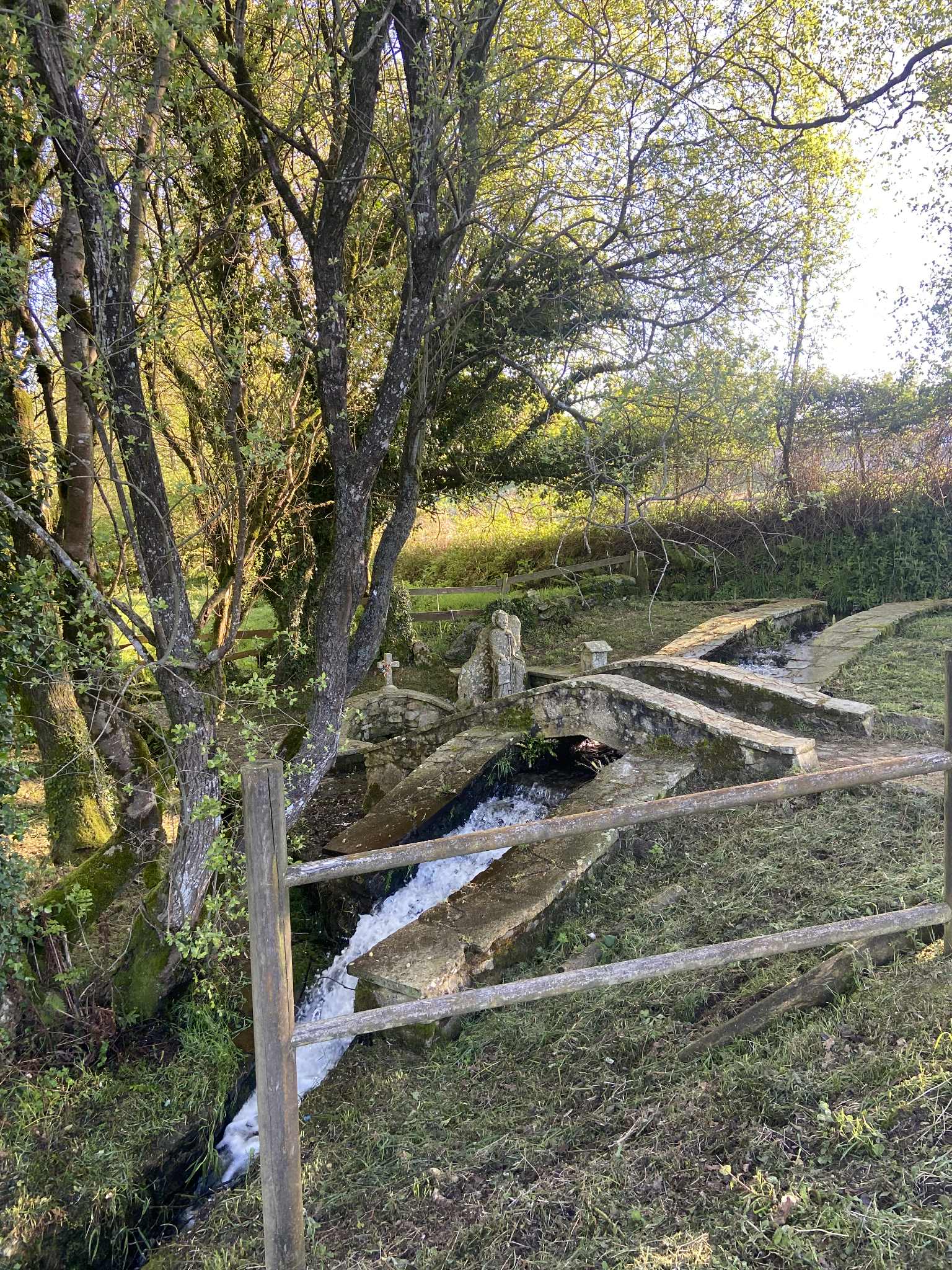
The Camino de Santiago is a long tradition of pilgrimage, dating back over 1000 years (Oficina De Acogida Al Peregrino, 2025). The Camino de Santiago, which translates in English to ‘the way of Saint James’, takes its name from the revered Saint James who was a Spanish evangelist. The body of Saint James was reportedly found in Santiago during the reign of King Alfonso II, and the relics became a beacon for pilgrimage across Europe (Oficina De Acogida Al Peregrino, 2025). While the first pilgrims are known to have walked in the 10th century, Camino de Santiago started to become more popular and one of the most recognised pilgrimages in the world in the 12th and 13th centuries (Oficina De Acogida Al Peregrino, 2025). The popularity of the Camino has gone up and down over the centuries, but has experienced a renaissance in the modern era. Over the years, more routes for pilgrimage have formed in all directions across Europe. There are now multiple routes that can be taken on foot, bike or horseback, with the most well-known routes being Camino Frances and Camino Portuguese.
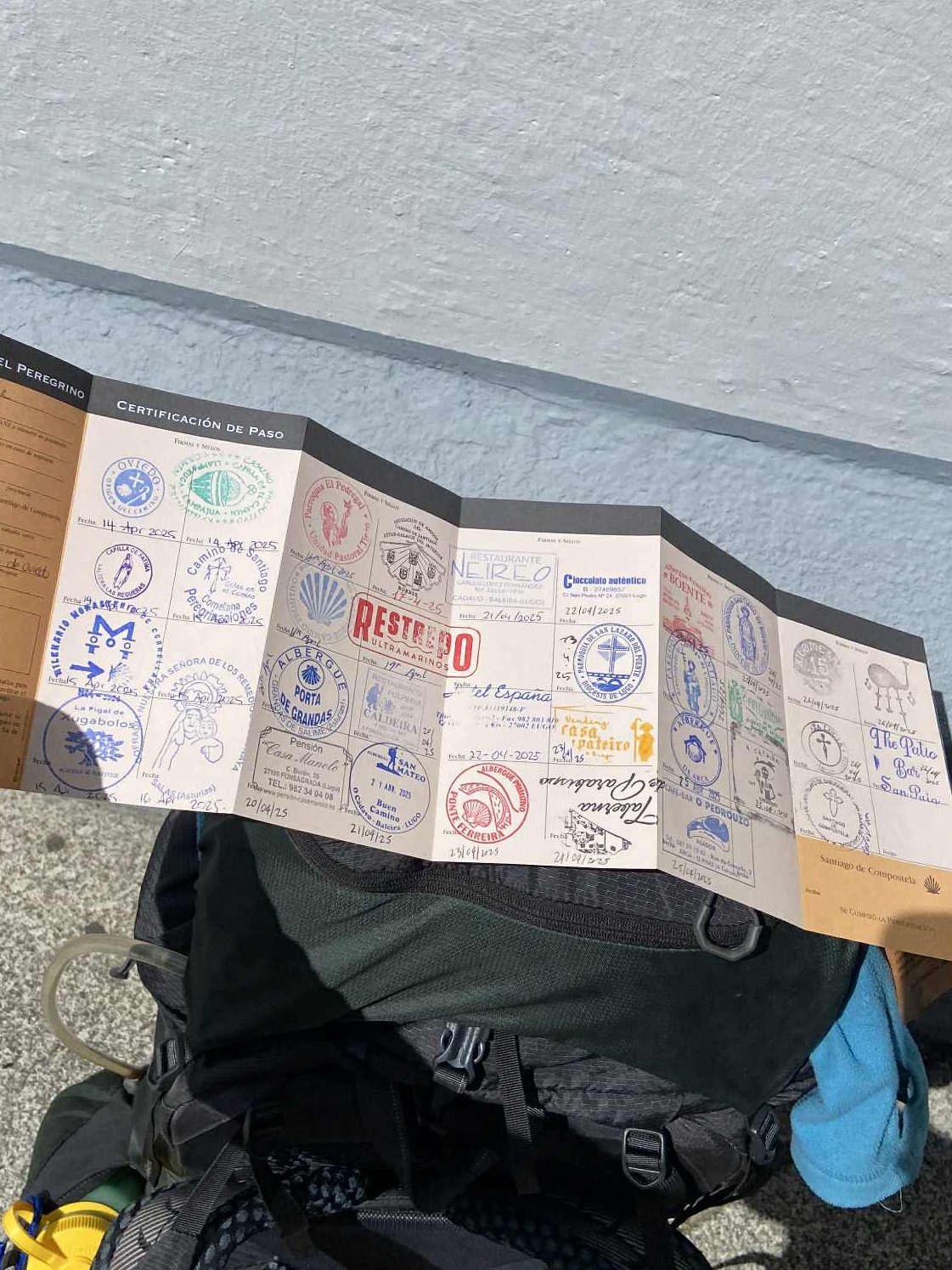
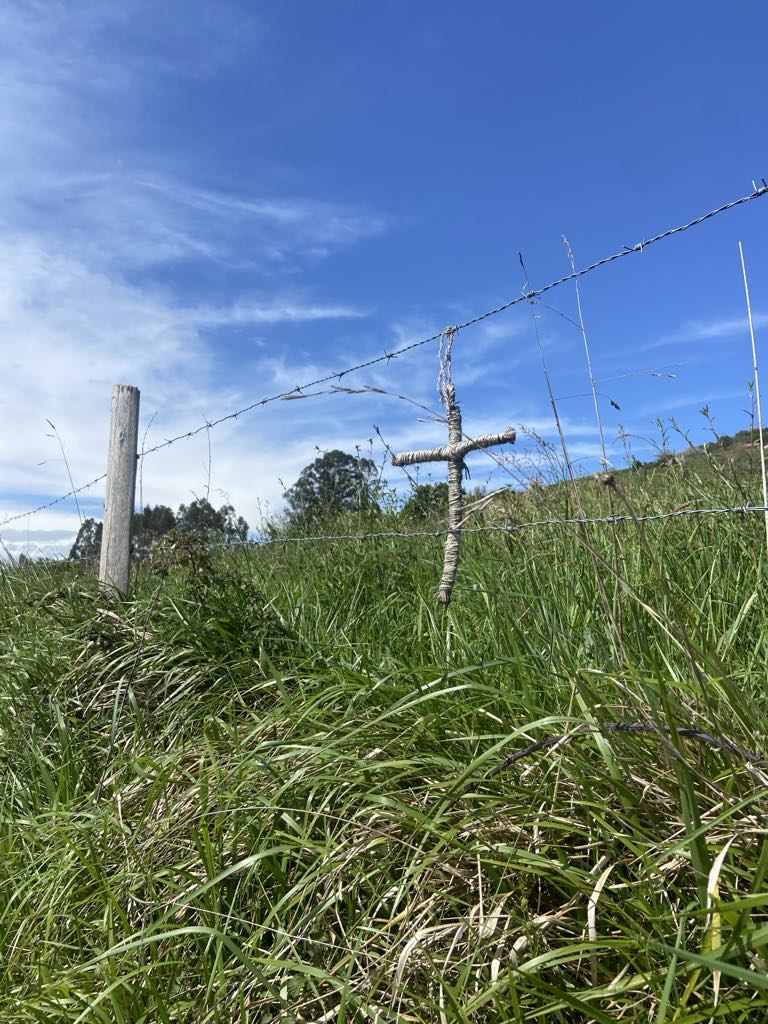
A common thread lives on in the many symbols of the Camino, such as the cross of Saint James and the scallop shell or viera. The iconic shell has been used as a symbol of accreditation for the pilgrimage for centuries, and would be given out by clergymen in Santiago to those who completed the pilgrimage. These days, the shells are no longer used as certification for the walk, and instead you must complete a credencial or Camino passport. This is a small passport-like booklet that you use to records stamps from along your journey, which can typically be found at churches, albergues and sometimes cafes or restaurants along the route. The stamps prove that you have travelled through these areas, and is used to get your accreditation in Santiago. To receive the certificate or Compostela, you must complete at least 100 continuous kilometers on the same route (or 200 kilometres cycling) which must be recognised by the International Pilgrim’s Reception Office (Oficina De Acogida Peregrino, 2025). Once you have finished the pilgrimage, you can receive the Compostela from the Oficina del Peregrino.
What’s Ahead:
- The Primitivo Route
- Accommodation
- Food
- Packing List
- Speaking the Lingo
- Navigation: Finding the Way
- Day 1: Oviedo to Paladin
- Day 2: Paladin to Casazorrina
- Day 3: Casazorrina to Tineo
- Day 4: Tineo to Borres
- Day 5: Borres to Berducedo
- Day 6: Berducedo to Grandas de Salime
- Day 7: Grandas de Salime to A Fonsagrada
- Day 8: A Fonsagrada to O Cadavo
- Day 9: O Cadavo to Lugo
- Day 10: Lugo to Ferreira
- Day 11: Ferreira to Boente
- Day 12: Boente to O Pedrouza
- Day 13: O Pedrouza to Santiago
- Reflections: Peaks and Pits
The Primitivo:
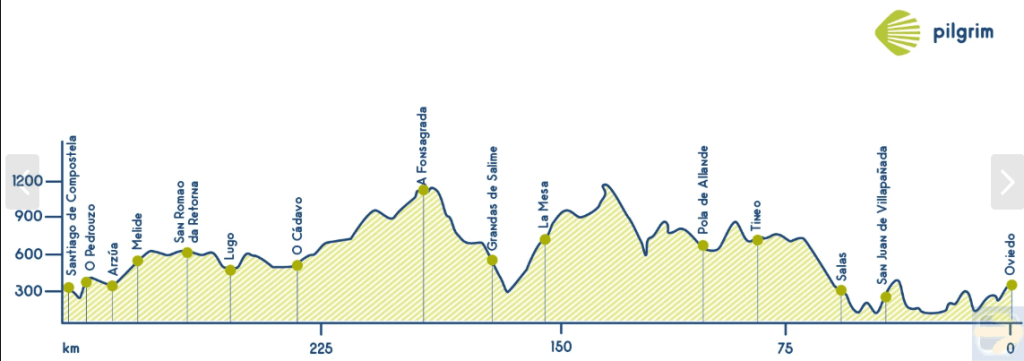
The Camino Primitivo, otherwise known as the Original Way, is reportedly the oldest Camino route to Santiago with the first Primitivo pilgrimage completed by King Alfonso II in the 9th century (Camino Ways.Com, 2025). Starting in Ovideo, the Primitivo traverses the provinces of Asturias and Galicia, offering green landscapes, big climbs and pastoral scenes. The route is approximately 320km, usually done in 13 days but can be done longer or shorter.
We spent countless hours considering the best Camino route for our trip, weighing up the options of completing a section of the Camino or pushing to try and complete a full leg with limited time. We ultimately landed on the Primitivo for a few reasons:
- It takes 13 days, which would officially make Camino the longest multi-day walk we had done.
- The Primitivo is known to be one of the more physically challenging Camino routes, including some big climbs.
- Due to the shorter length of the route, it meant we were able to complete a full leg of the Camino, rather than completing just a section of one of the routes.
- It is a lesser travelled route, and we were concerned about some of the more popular routes being too busy (we had heard it is difficult to get accommodation when it is busy, and we were worried this would add a level of stress to the trip).
- Primitivo would mean approx 25km a day which we felt was doable (read the reflections at the bottom to see how we felt about this ambition by the end).
There are also some opportunities to choose your own adventure on the Primitivo, with options for alternative routes such as the Hospitales route which is a highlight of the trip. Primitivo is known for being mountainous terrain, and with lots of up and down on trail with what feels like constant elevation gain (climbing to 1,100m above sea level at its highest point).
Retrieved from: https://images.app.goo.gl/D5bar1jCB5FW2Fn6A
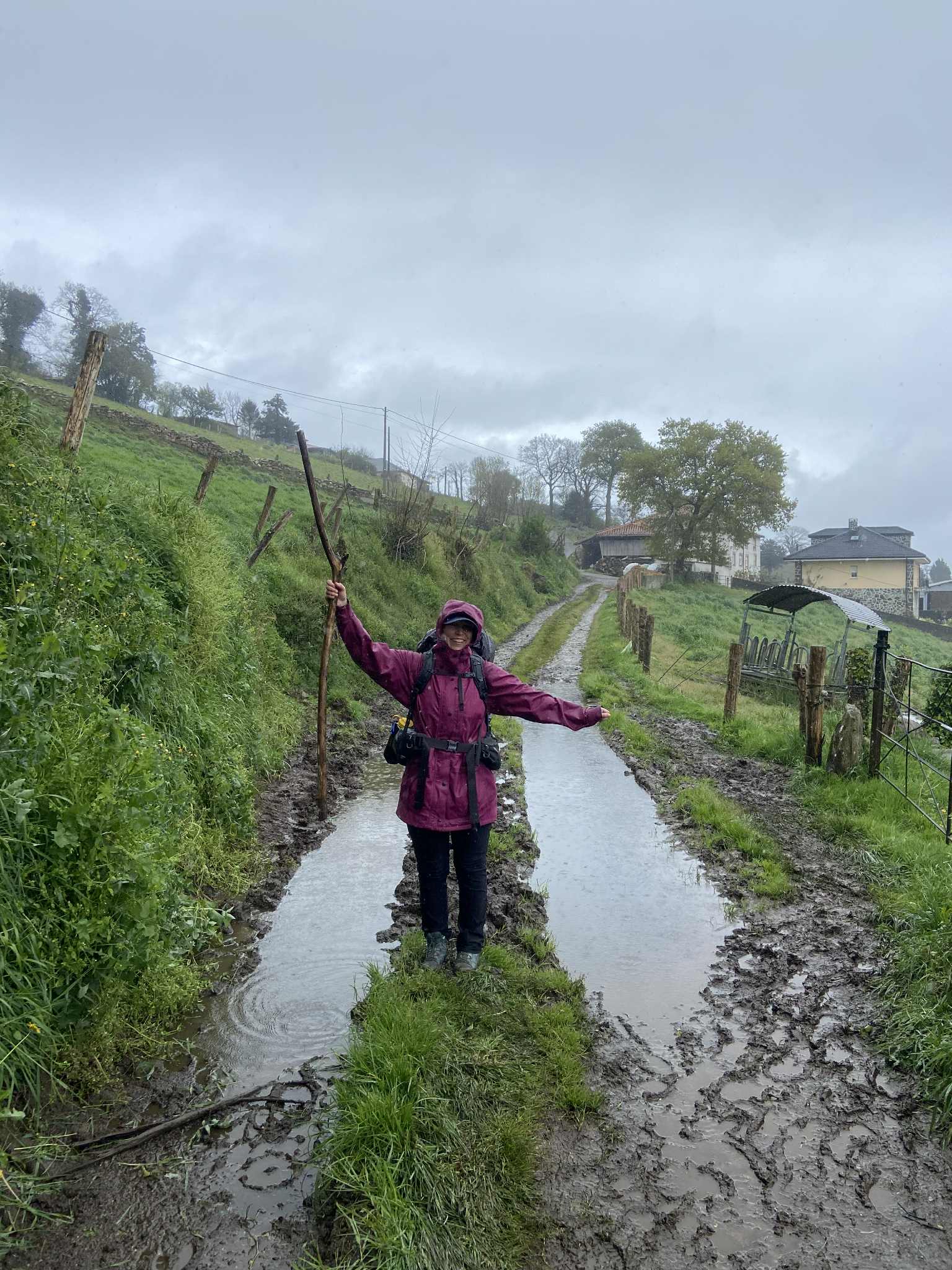
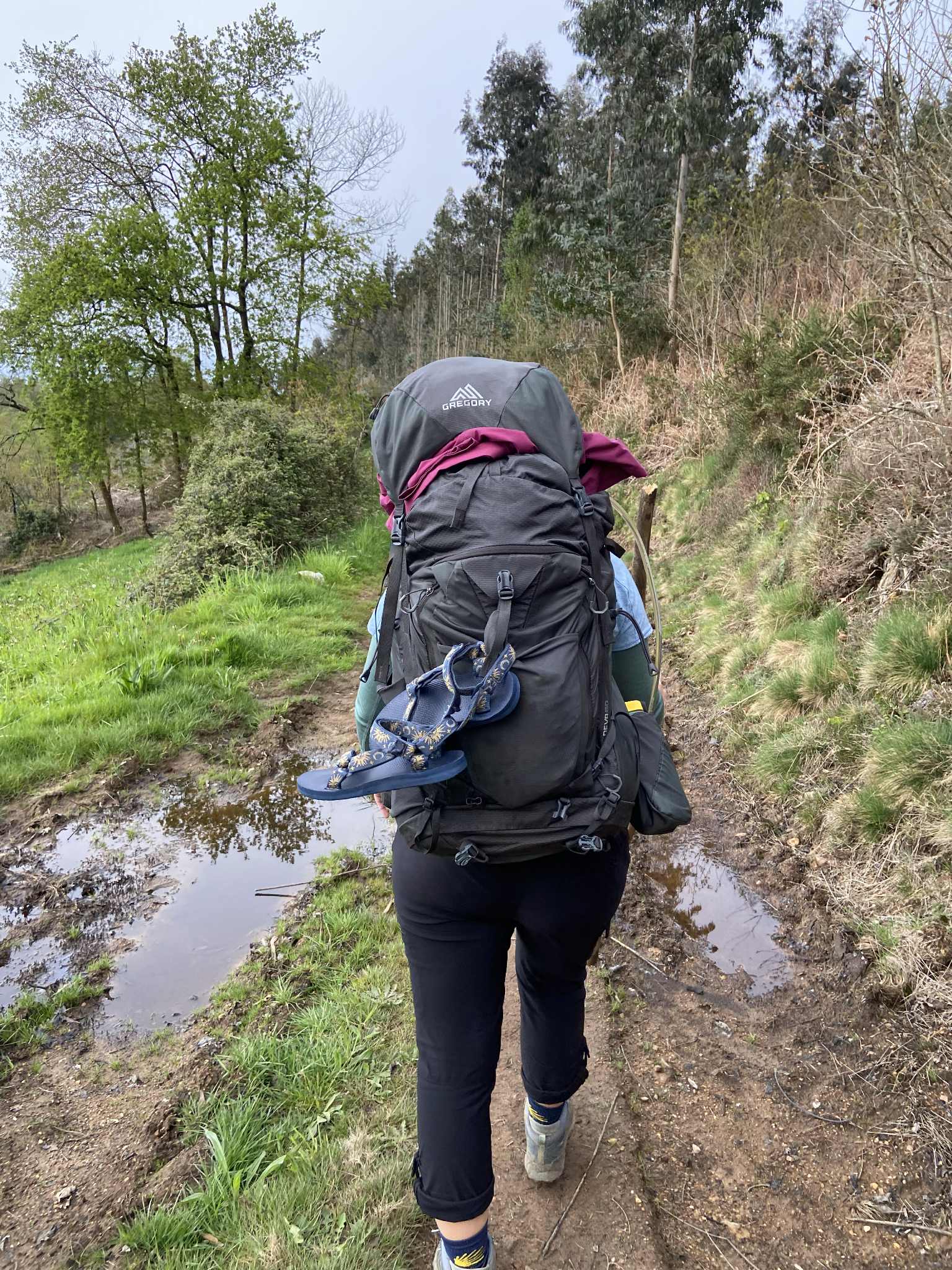
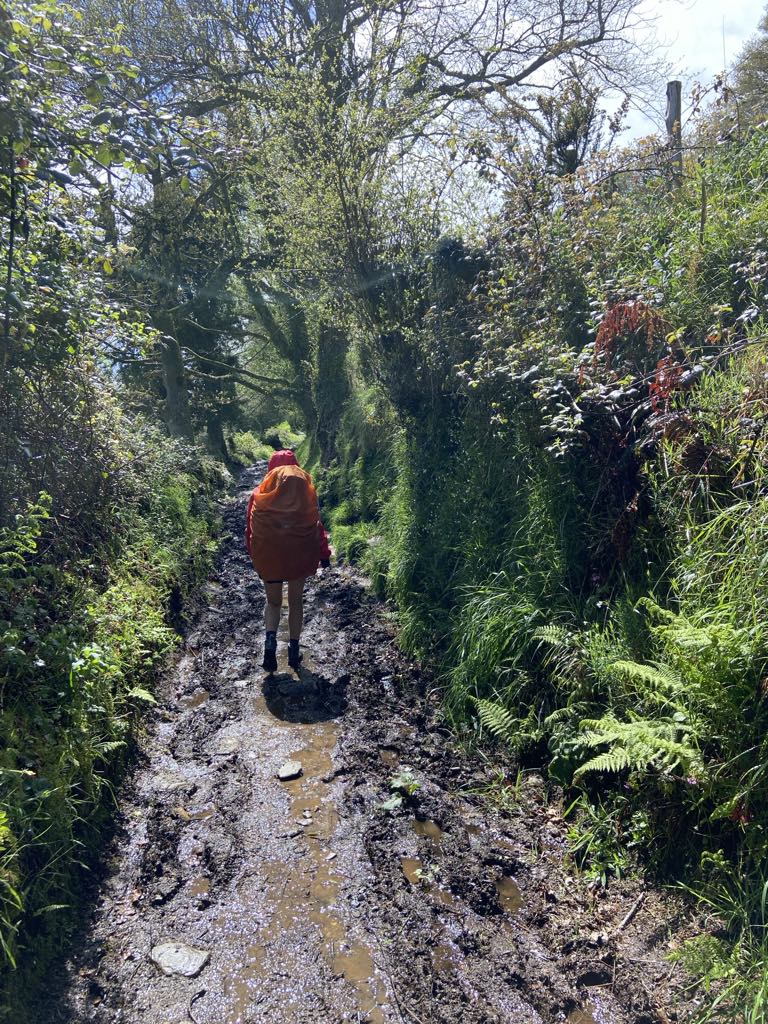
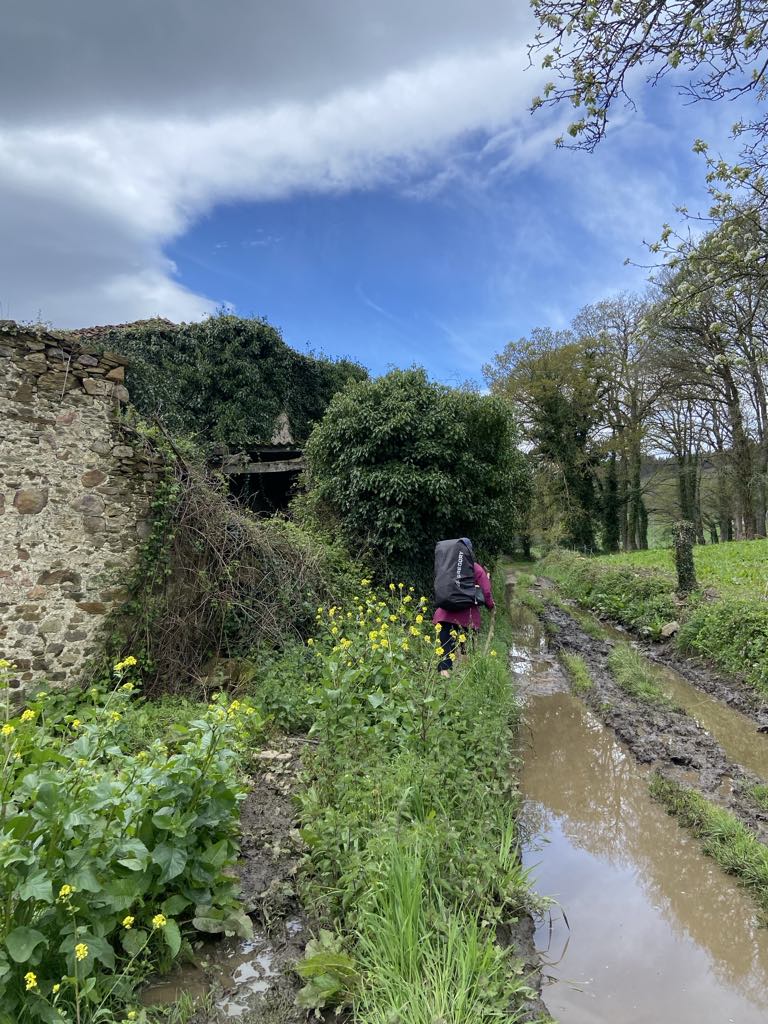
With mountainous region comes wild weather. We did the walk in April and it was pretty cold! We had snow and hail, along with lots of mud and rain. I think lots of rain is to be expected on this route at any time of the year, as Galicia is known to be a green province. The constant rain did have a special way of wearing down morale day after day, so worth being mindful of this if you think being cold and wet will impact your enjoyment of the trip. Another potential downside of doing the Primitivo at this time of year is that a lot of the churches were closed. The churches often had a small window so you could look inside (some churches with important relics or cultural significance even have a coin slot where if you enter a euro, lights turn on inside so you can see the church lit up), but there usually isn’t a stamp if the church is closed.
Accommodation
Accommodation options on the Primitivo were variable and largely seemed to depend on the size and rurality of the town. The three main types of accommodation included albergues (hostels for pilgrims), pensions (a mid-range option between albergues and hotels, usually with a private room) and hotels (although these were limited to big towns).
We stayed in a couple of pensions when we were desperate for a private shower, no snoring and to not sleep in a bunk bed. The pensions were also handy every few days to be able to wash our clothes in the sink and have space to hang them to dry in the room.
Overall, we liked the albergues for the sense of community, connection and solidarity that came from sharing a beer and a menu with our fellow pilgrims at the end of the day. Some nights we went out for dinner or drinks with some friendly pilgrims. Special thanks to our American and English friends who helped us make our way through every bar or pub in Grande de Salime (hangovers were worth it despite the 26km the next day). While you may meet pilgrims while walking during the day, the albergues are where you really get to connect, share a meal and play a game of cards.
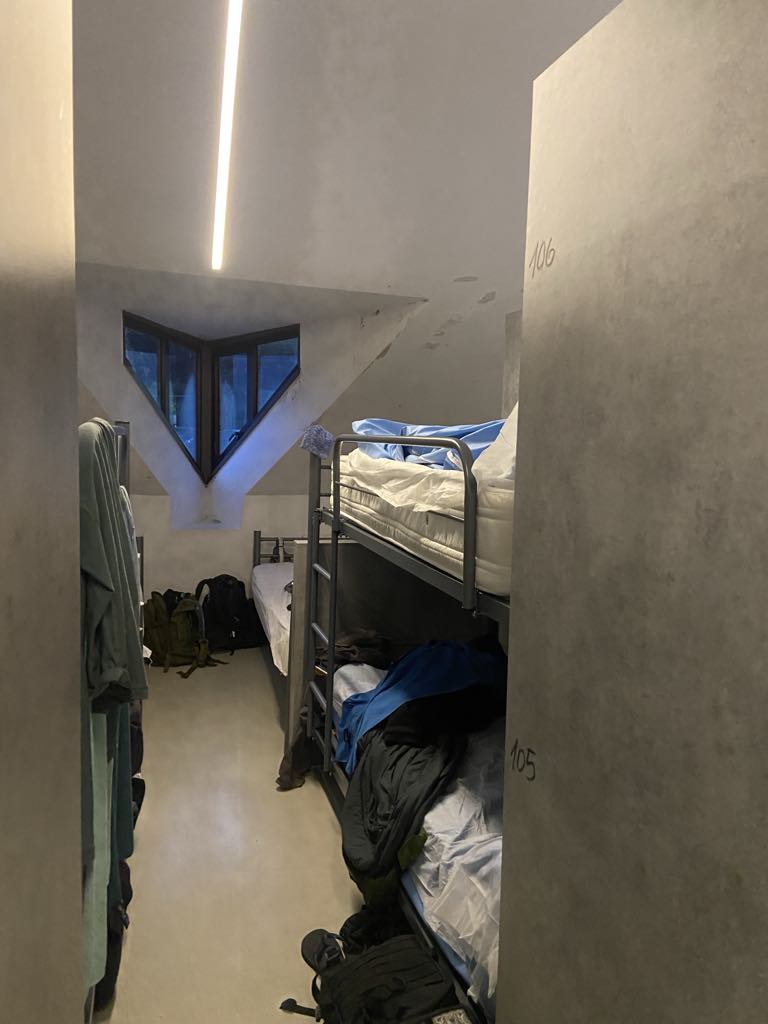
Albergues are the most popular accommodation choice for pilgrims. They are essentially hostels with shared rooms and bunkbeds. They vary in size from sleeping hundreds of people, to quaint albergues that sleep only 10 people. There are two mains types of albergues:
Municipal Albergues:
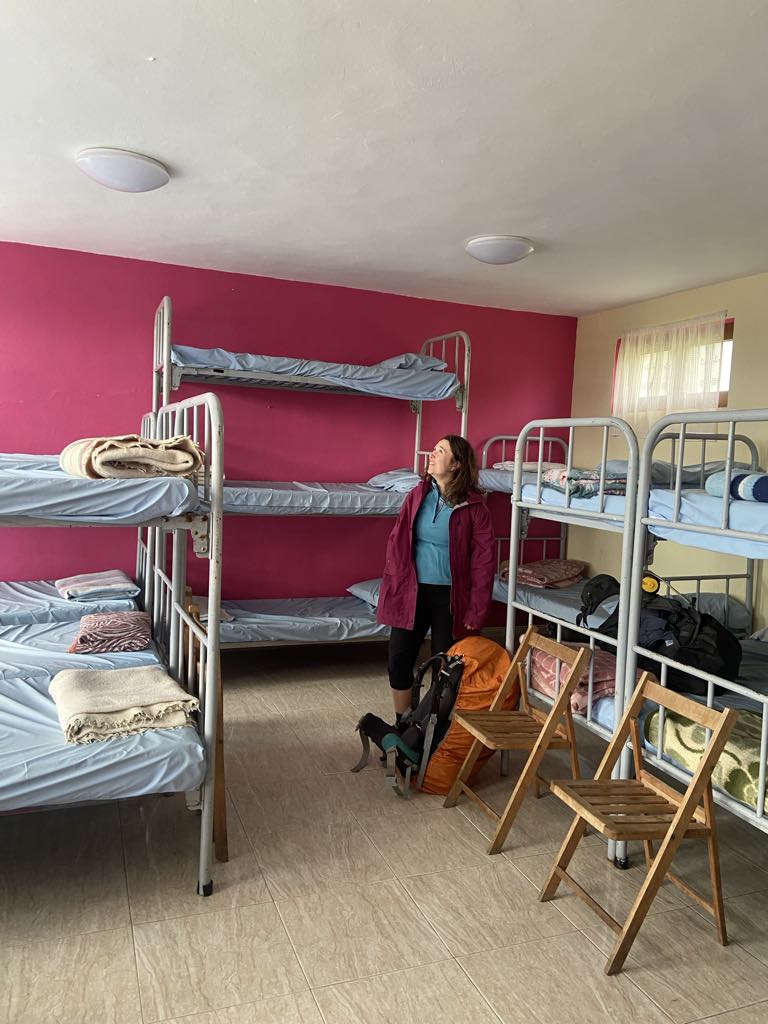
Municipal albergues are typically run through the church or local government, are cheaper and don’t accept reservations. We only stayed in two municipal albergues, both of which were quite large and basic, and did not provide meals. Most importantly, they do not typically provide blankets! This was a hard lesson for the poor elderly French pilgrim who, having no blanket or sleeping bag, fearlessly zipped herself up inside the mattress protector for warmth. After having obsessively avoided directly touching the mattresses for almost two weeks for fear of bedbugs, this was a sobering (and hilarious) sight for all.
Private Albergues:
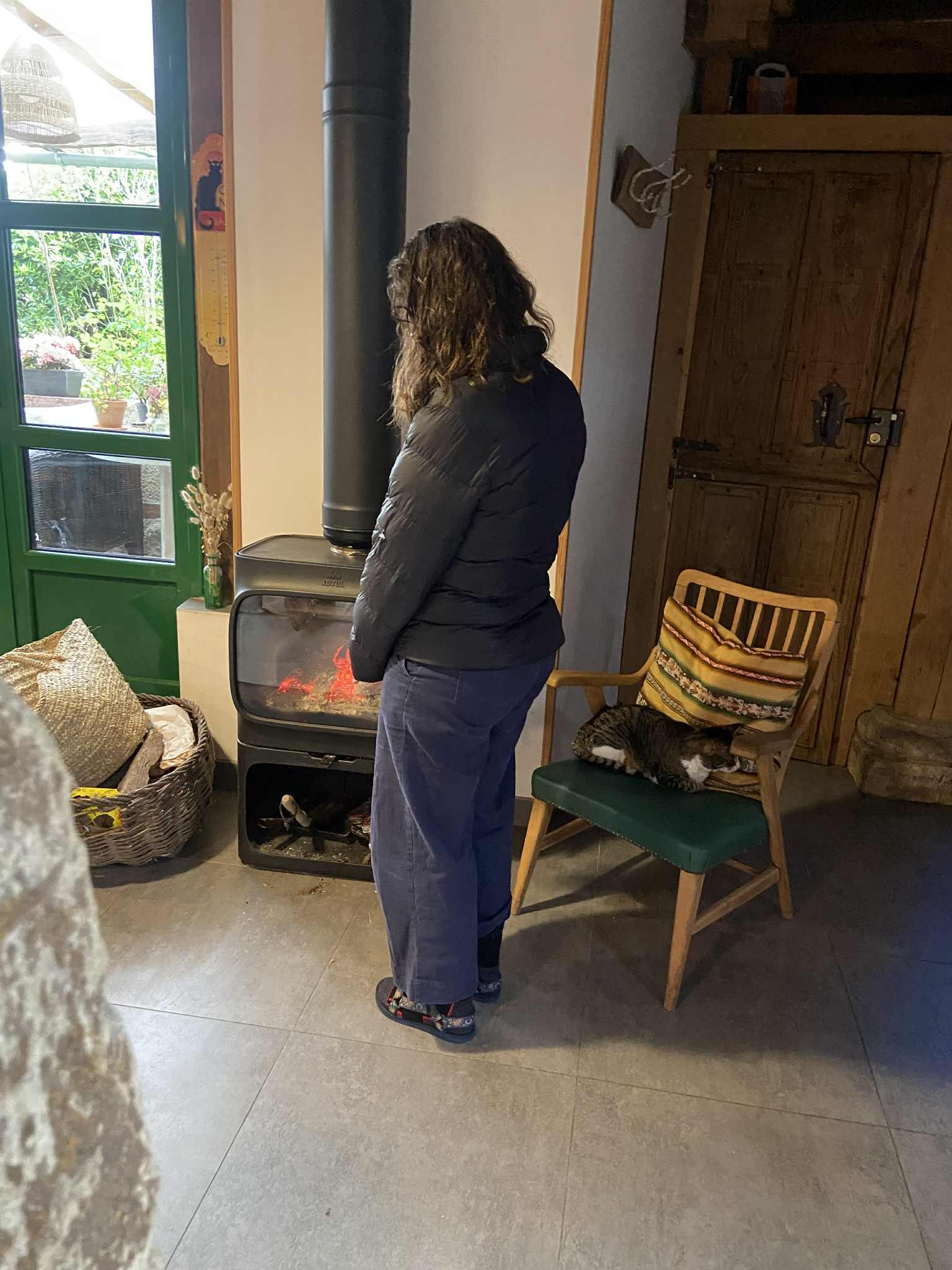
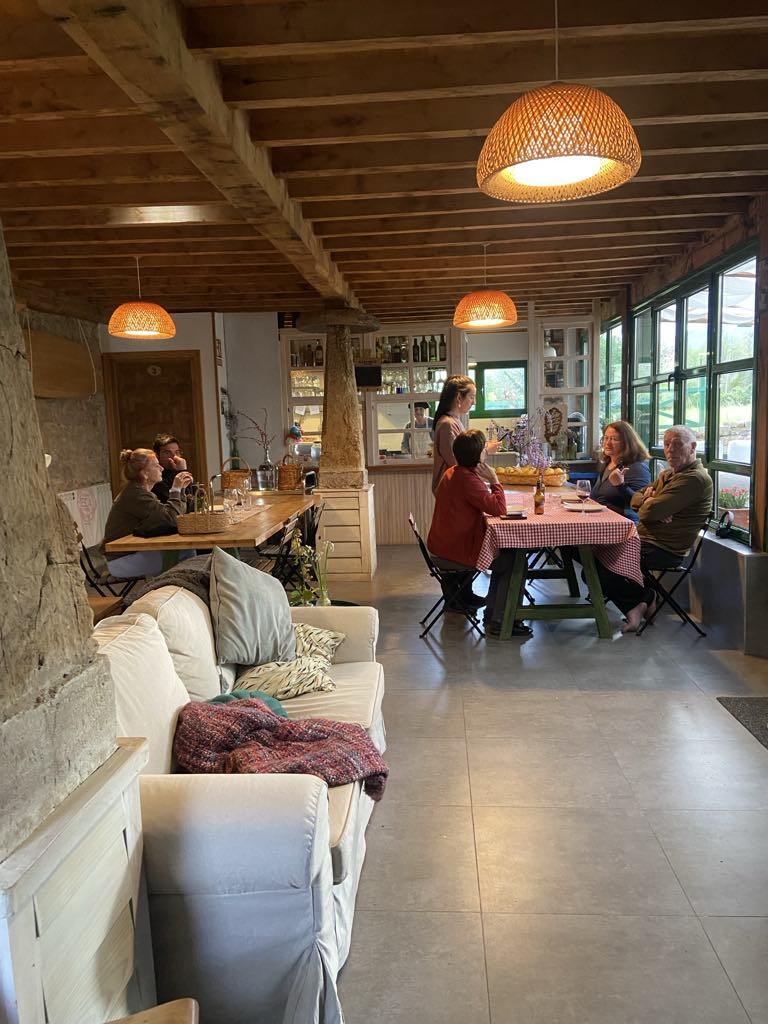
Private albergues are run by families and businesses, and are a bit more expensive than municipal albergues. They often (but don’t always) offer dinner or breakfast service, usually have laundry facilities, and they are very variable in size. You can typically reserve rooms in the private albergues, and from our experience, the private albergues were usually nicer than the municipal albergues. However, we heard feedback from other pilgrims that they stayed at some lovely municipal albergues, and even comparing the private albergues where we stayed, there were some that we loved and others that we didn’t like.
Booking Accommodation:
Even in shoulder season, accommodation was busy and sometimes booked out. Before arriving in Spain we had booked a few nights accommodation (mainly around Easter long weekend as we thought this would be the busiest), but we didn’t book accommodation in advance for most of the walk. For the first couple of days we didn’t think twice, but we hadn’t realised that we were always walking hours later than fellow pilgrims (because we started at 1pm the first day). Once we saw how many pilgrims there were, we realised we may have been lucky in finding a bed.
We found the first in best dressed policy stressful particularly on the latter part of the trip where the route joins with Camino Frances and the route was suddenly much busier. You have to plan your days and think about how many kilometers you want to walk, remembering that if you haven’t booked accommodation and there are no spaces in the town you plan to stop, you may have to walk another few kilometers to find a vacancy.
On our way to Borres we became aware of how many pilgrims were on our route, and felt the pressure as we kept being overtaken and knew there was minimal accommodation available in Borres (as the last stop before the Hospitales route). We ended up powering through and got a bed at the Albergue Santa Maria, which we have since come to fondly refer to as the Fuschia Prison for it’s hot pink walls, retro barbed wire bed springs and triple bunk bed. If you take the Primitivo route, I’d suggest booking your accommodation in Borres in advance.
Sleeping:
Snoring is a given in any of the albergues. For our final night on route in O’Pedrouzo, Albergue de Peregrinos Arca, we shared a room with approx 100 people and slept to the chorus of dozens snoring. If you are a light sleeper, bring earplugs!
I’d also suggest taking a sleeping bag or at least a liner if you get cold. No sheets are needed, as the albergue provides a hygiene slip for the mattress and pillow case.
Food
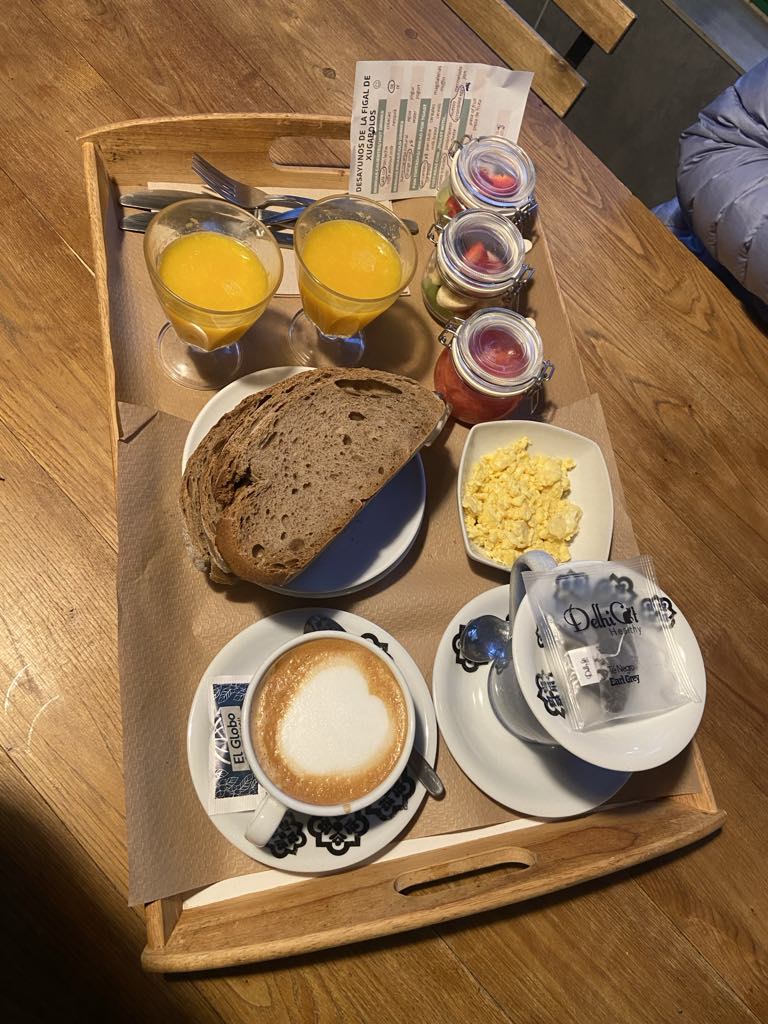
We either had breakfast at the albergue or had breakfast at a cafe after a short time walking. We would usually pick-up snacks in the bigger towns, as well as a baguette (the drink bottle holder in your pack should be a perfect fit to stow the baguette), cheese and tomatoes to have picnic lunch. We often stopped at a cafe for a warm-up coffee or snack in the afternoon.
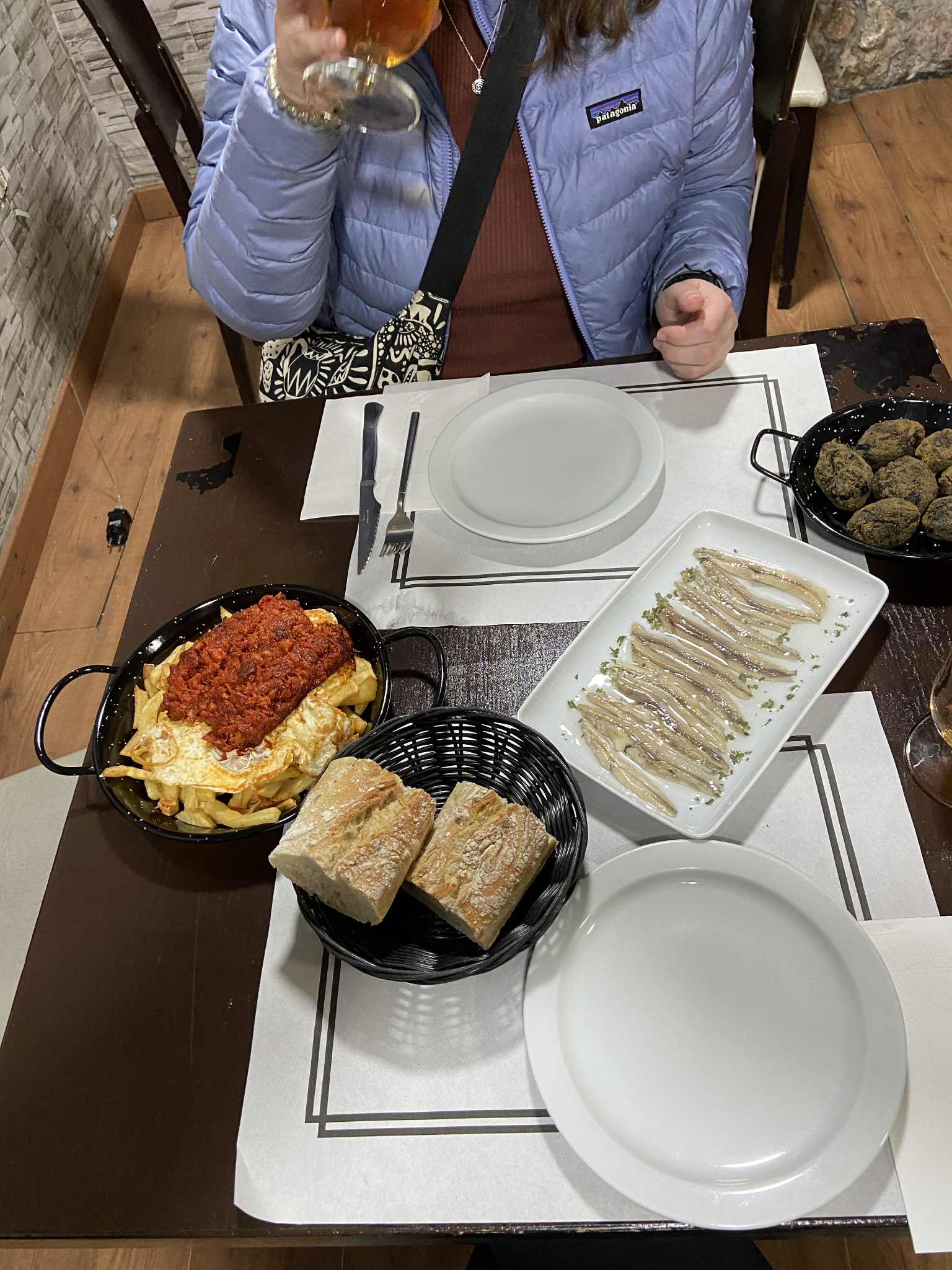
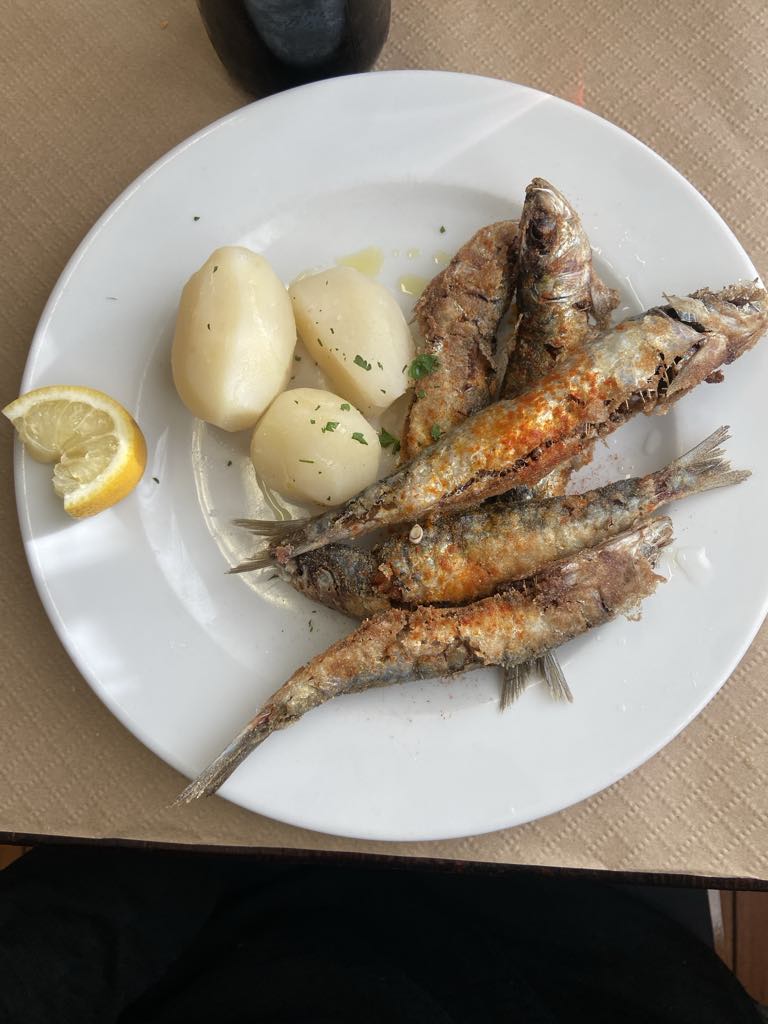
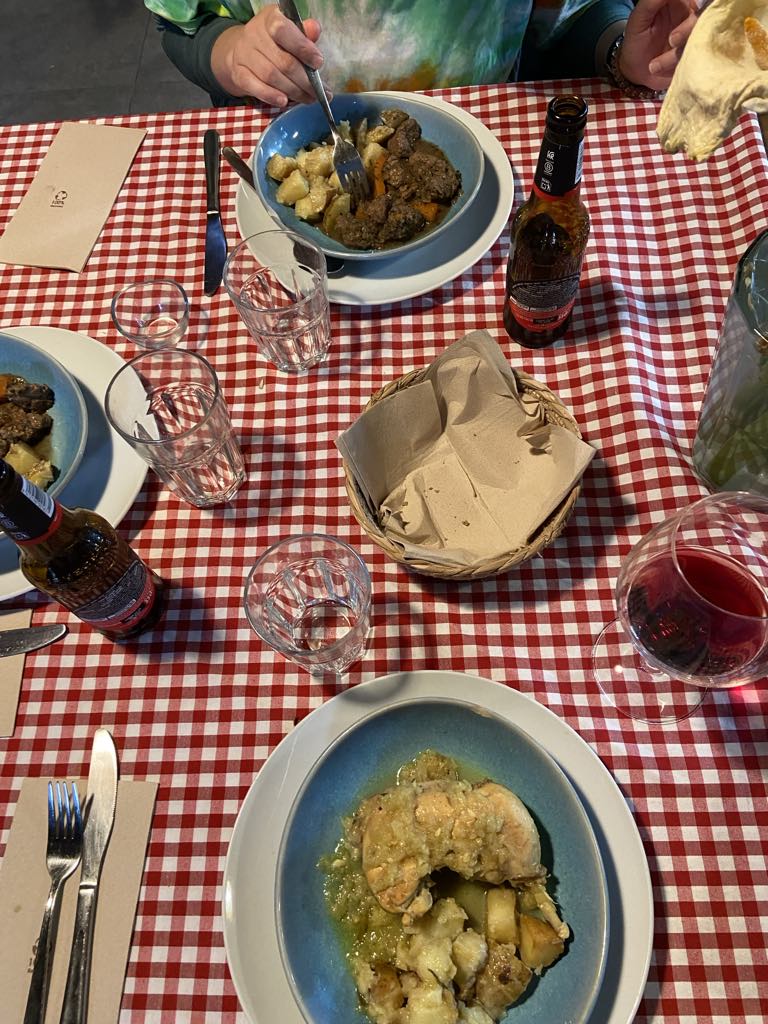
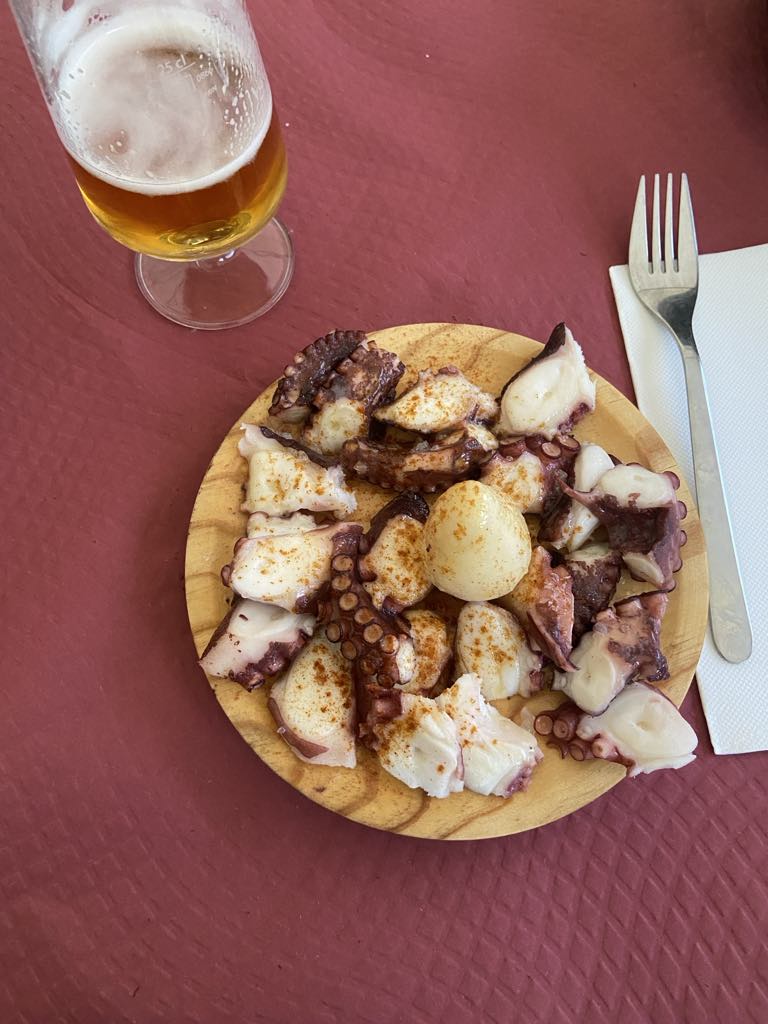
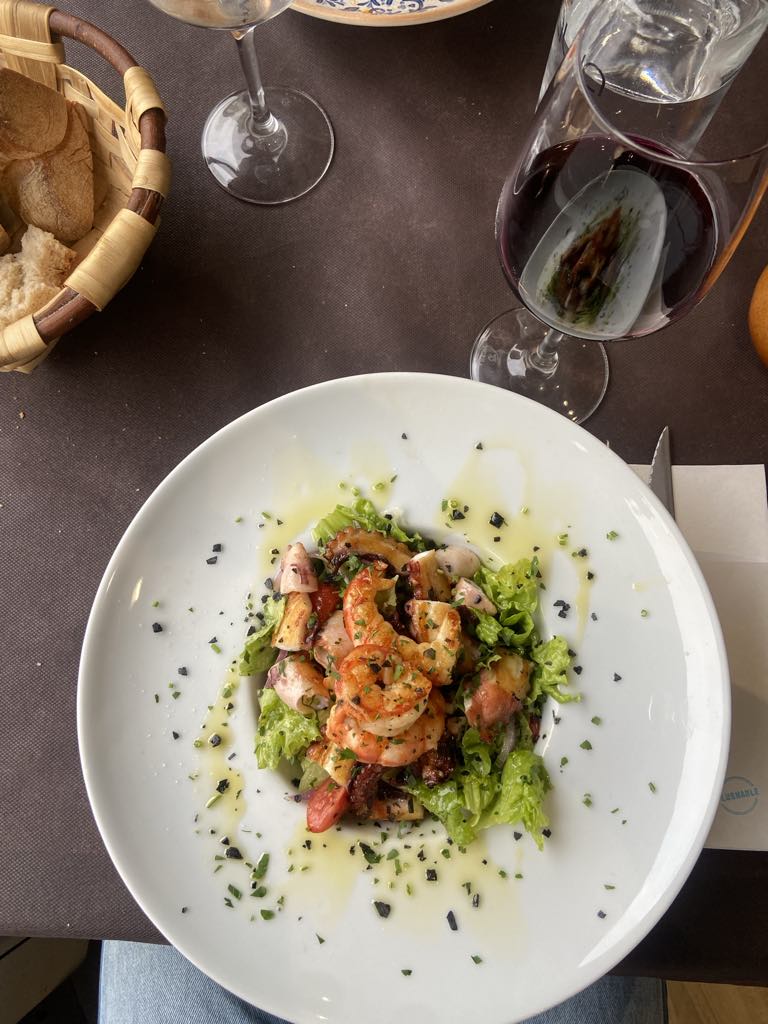
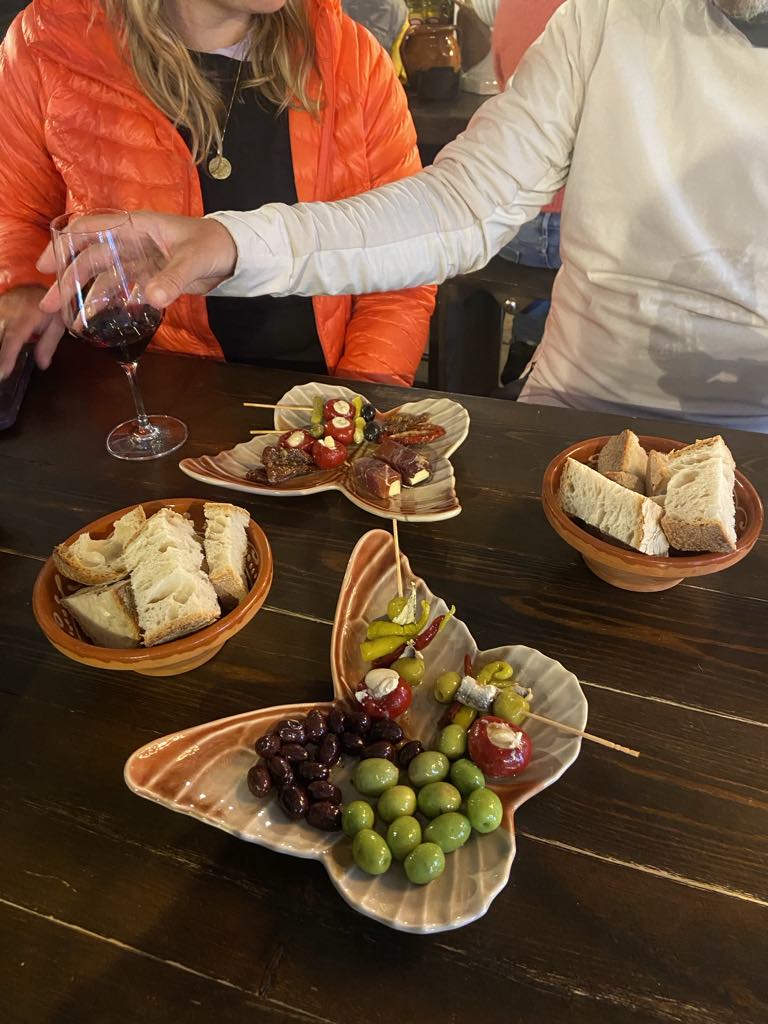
Dinner is often available at private albergues in what is called a ‘menu’. This is a three-course meal including a glass of wine or water for approx 15E. We had some of the best meals at albergues, in particular Albergue Camino Primitivo (Berducedo) and La Figal (Casazorrina), both of which had incredible home-made food. There were a few towns were we went out for dinner, and would highly recommend Ultramarinos Restrepo in Grande de Salime for olives, bread, cheese and cocktails, or Pulperia Caldeira in A Fonsagrada which has incredible seafood, namely octopus (pulperia).
Packing list
We carried packs of about 12-14kg on the Camino, as we carried all of our gear for the trip including travel post-Camino. The recommendation for daily pack weight is around 10% of your body weight, but ultimately we’d suggest just taking the pack you already have (reuse not repurchase!) and carry the weight you are comfortable with. Here is a summary of what we took:
- Sleeping bag (highly recommend – we walked in April and it was cold overnight)
- Sleeping bag liner
- Basic first aid kit (water purification tablets – not necessary but we used them a couple of times)
- Water bladder or water bottle (at least 2L)
- Beanie/gloves
- Rain jacket
- Puffer jacket
- Fleece
- Hat
- Thermals
- Pants/shorts
- Walking shirt
- 5x undies/bra
- 3x hiking socks
- Hiking boots/trail runners (personally prefer boots for the mud)
- Sandals
- Small thermos (small luxury to make the rainy days a bit nicer)
Speaking the lingo
With a whole 93 days worth of Duolingo under the belt before arriving in Spain, we were feeling pretty confident about navigating the language barrier. Our previous experiences in Europe have been that most people speak better English than us and we can easily get by as the sad uno-languagers that we are. However, the Primitivo takes you through rural Spain and into parts of the country where people speak very little to no English. While some people in the hotels and hospitality sector spoke some English, there seemed to be a tradition of pushing up to use some of our basic Spanish skills before they would eventually speak any English (showing they knew much more English than they originally led us to believe). This was an effective tactic and had us working hard to learn and remember common phrases that we used time and time again. You can absolutely get by on this trip without speaking Spanish, but I would highly recommend learning some numbers, greetings and basic phrases such as how to order a coffee or a beer, and any dietary requirements you have (in an unfortunate turn of events, we [two vegetarians] ended up having to eat pig snout after a miscommunication).
The Camino even has some of it’s own lingo, with people often saying ‘Buen Camino’ (meaning ‘good way/path’) as you pass. This is a greeting, wishing you a safe journey and expressing solidarity when spoken to fellow pilgrims.
Finding the Way:
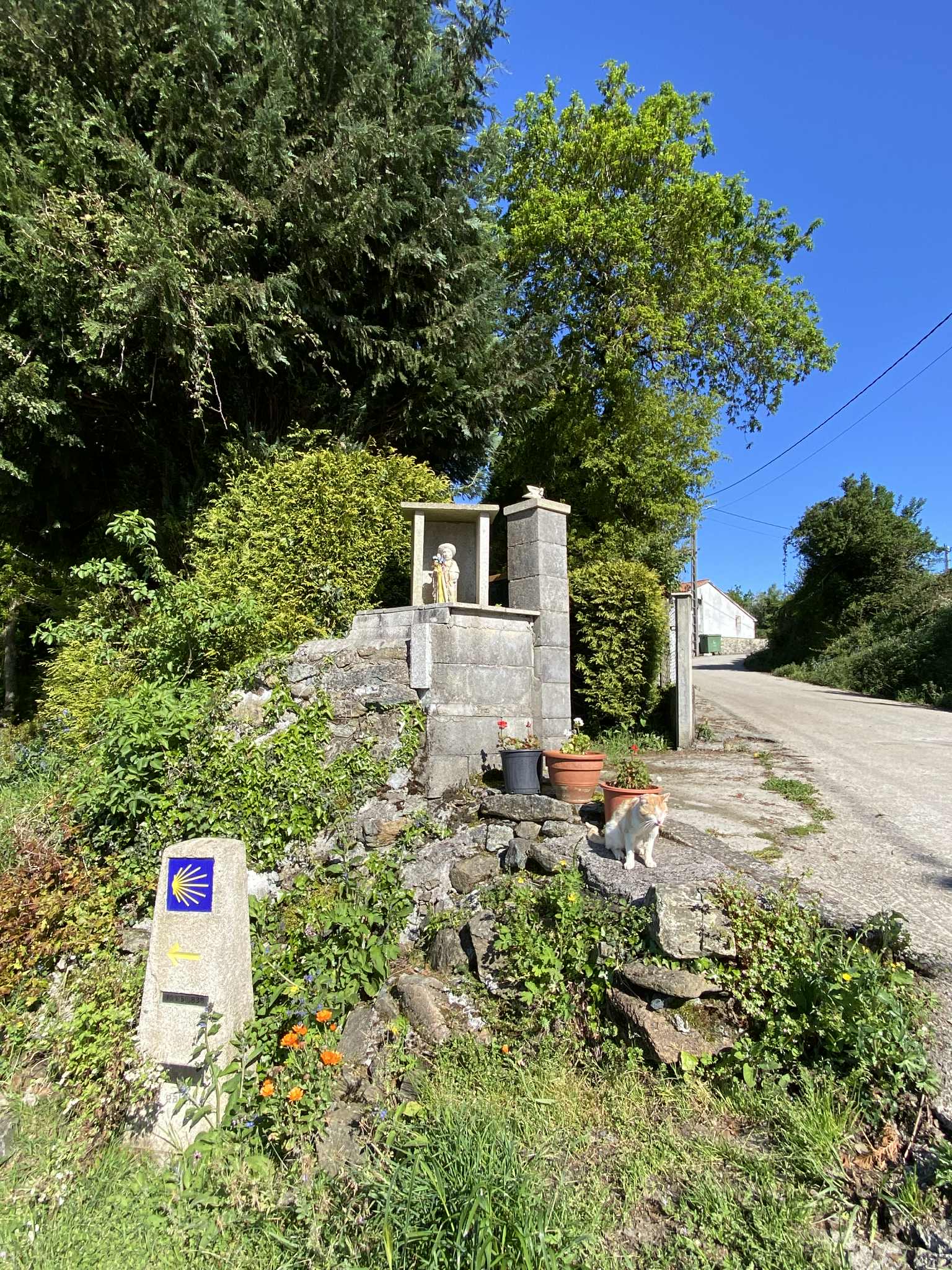
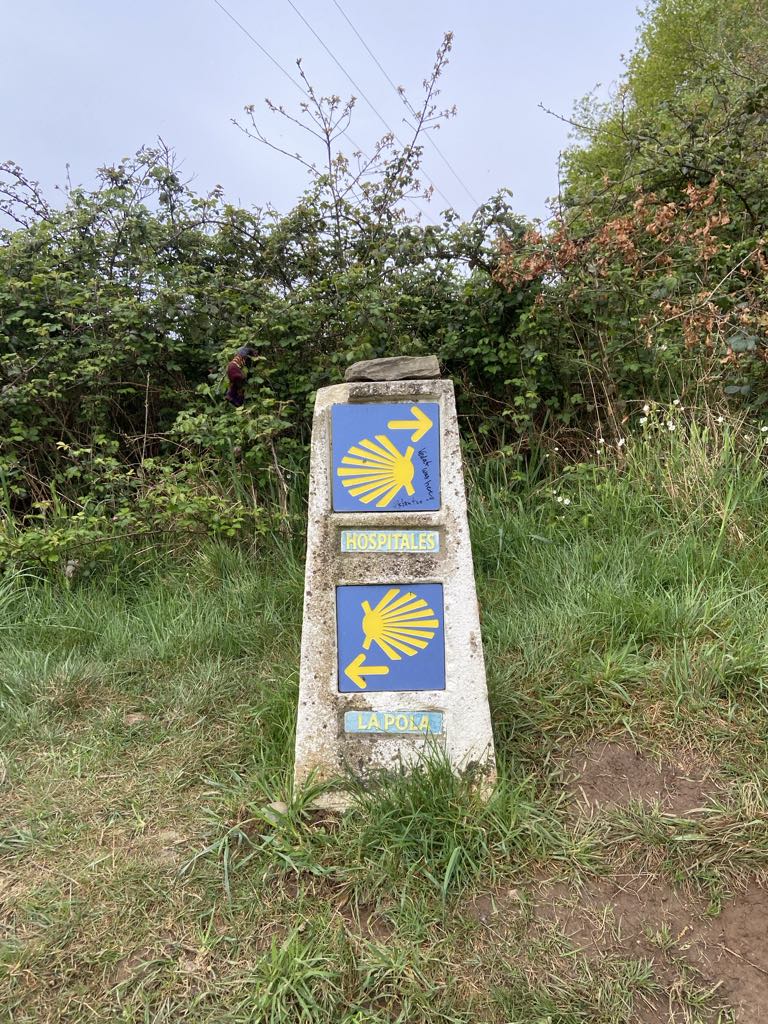
Navigating the Camino Primitivo is very easy and does not require navigation skills. We got lost on one occasion when we were yapping and forgot to watch for signs, but quickly got back on course. The path is regularly marked by the familiar Camino scallop shell. We were told that the smallest part of the shell points towards Santiago, and the reaching lines of the shell represent all the paths to Santiago. While the shells didn’t always face the same direction (which undermines the theory I just mentioned), the shells will consistently show you the path alongside arrows and signs (almost always in bright yellow).
There is also the option of downloading one of the Camino apps, such as Buen Camino or Camino Ninja. These apps are handy as you can easily see if you have strayed from the path, and they also show upcoming towns, including cafes, albergues and shops. This is particularly helpful if you are not booking your accommodation in advance.
| Journey | Distance (per the Garmin) | |
| Day 1 | Oviedo to Paladin | 20.4km |
| Day 2 | Paladin to Casazorrina | 27.5km |
| Day 3 | Casazorrina to Tineo | 24.7km |
| Day 4 | Tineo to Borres | 16km |
| Day 5 | Borres to Berducedo | 25.7km |
| Day 6 | Berducedo to Grandas de Salime | 21.7km |
| Day 7 | Grandas de Salime to A Fonsagrada | 26.4km |
| Day 8 | A Fonsagrada to O Cadavo | 24.5km |
| Day 9 | O Cadavo to Lugo | 31.7km |
| Day 10 | Lugo to Ferreira | 28km |
| Day 11 | Ferreira to Boente | 26km |
| Day 12 | Boente to O Pedrouzo | 27.2km |
| Day 13 | O Predrouzo to Santiago | 20km |
| 319.5km |
Day 1: Oviedo to Paladin (20.4km)
With the best laid plans, we arrived in Ovideo the day before we intended to start walking. However, fate struck and our baggage did not arrive at Asturias airport from its third flight en route from Australia.
We had not accounted for something like this to go wrong, and it was a stressful 12 hours while waiting to find out if our bags would arrive in time for us to start walking the next day as planned. We made the most of our time in Ovideo by picking up our Camino passports from the tourist office, trying our first Spanish cafes and taking in the sights of Oviedo. After a second trip to the airport and a bag search, we were officially reunited with our bags, quickly got dressed and started walking at around 1pm.
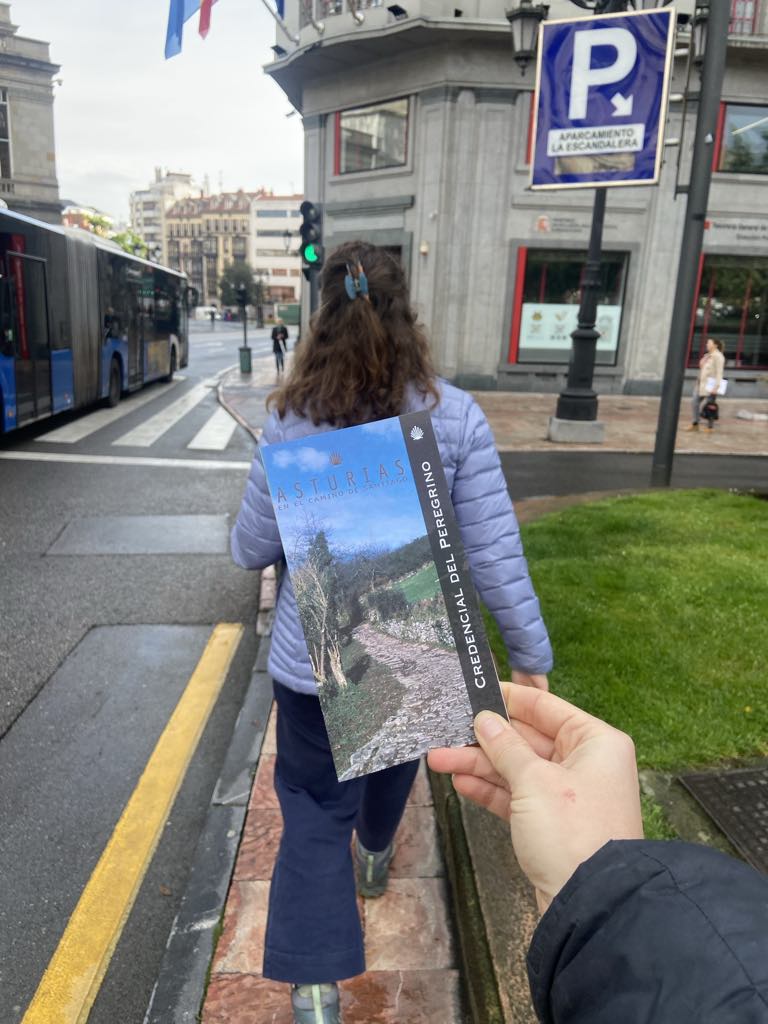
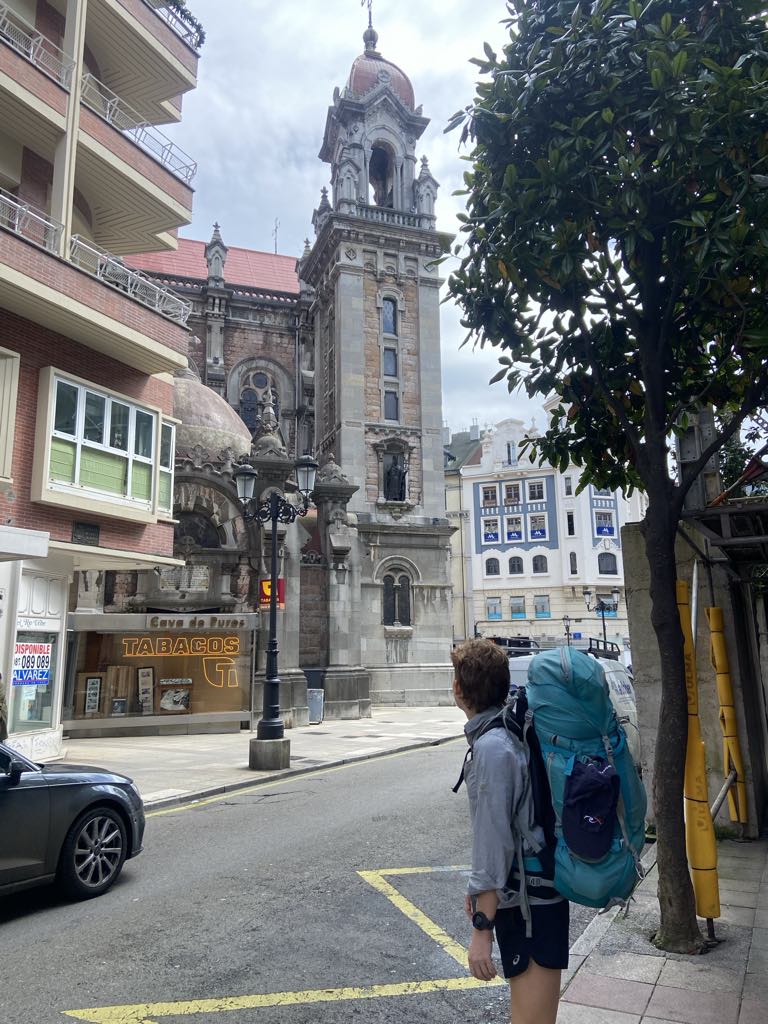
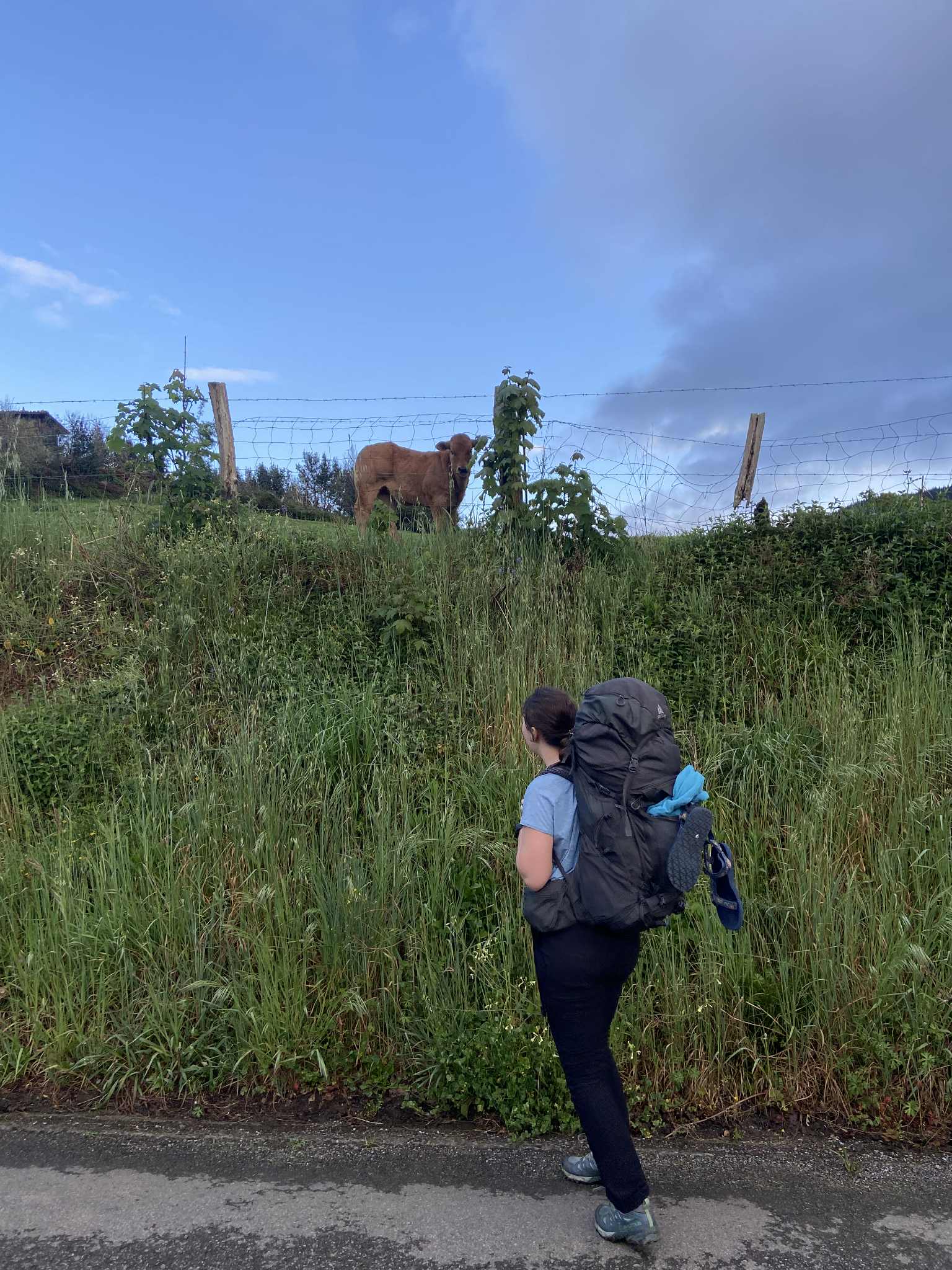
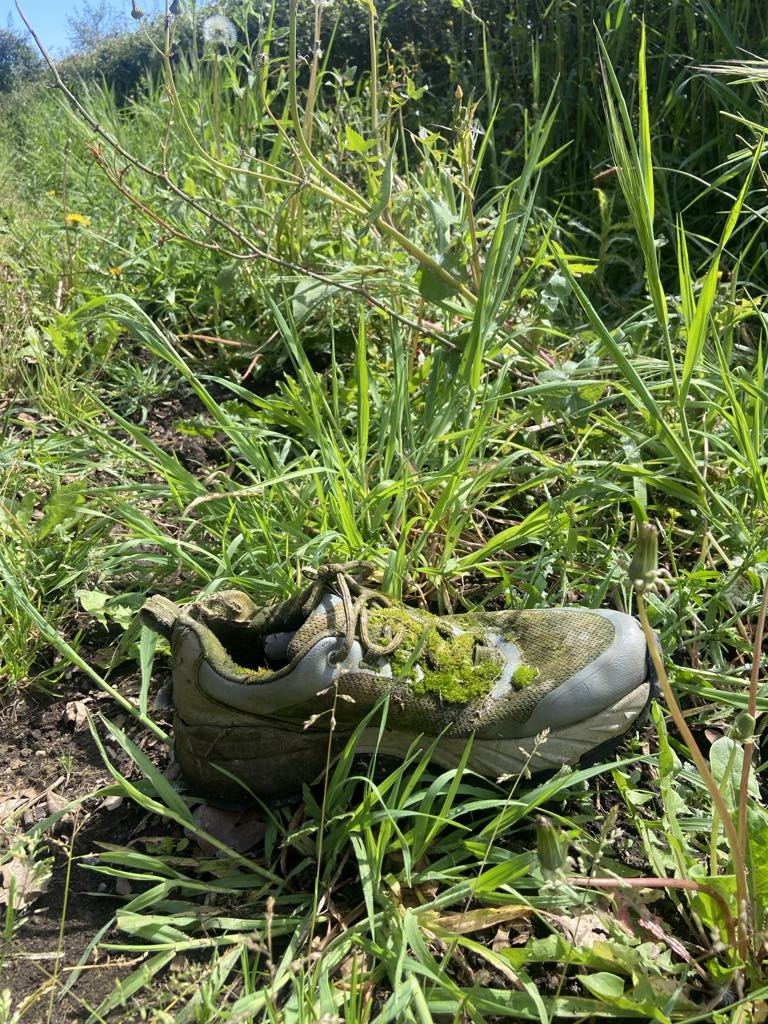
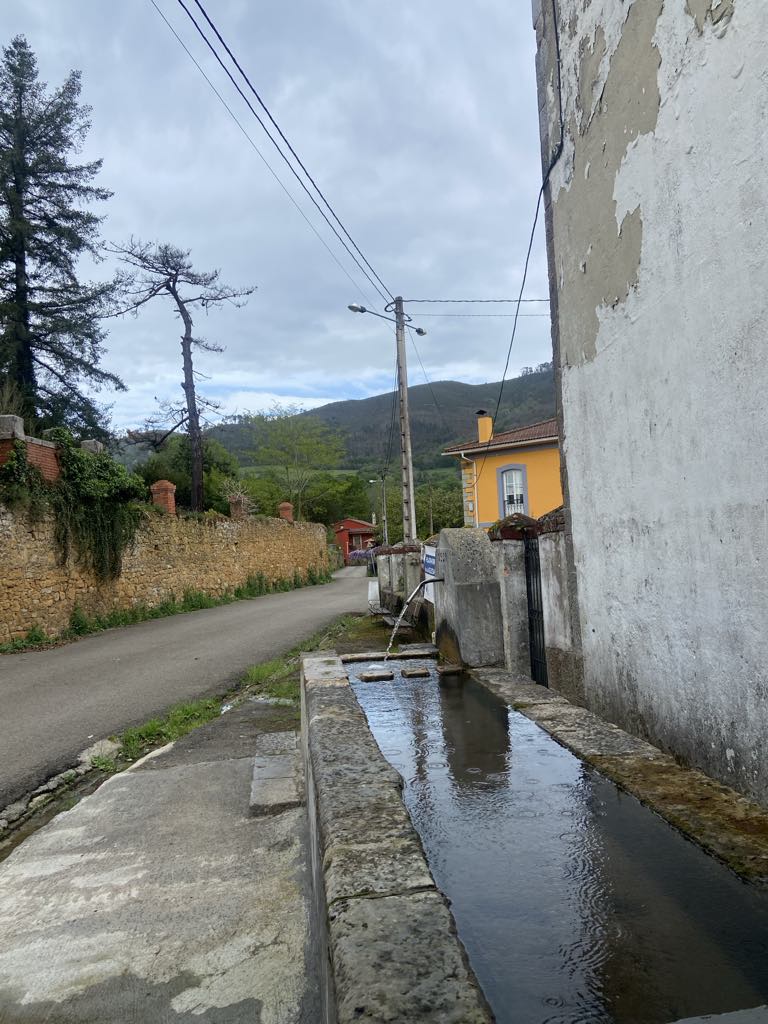
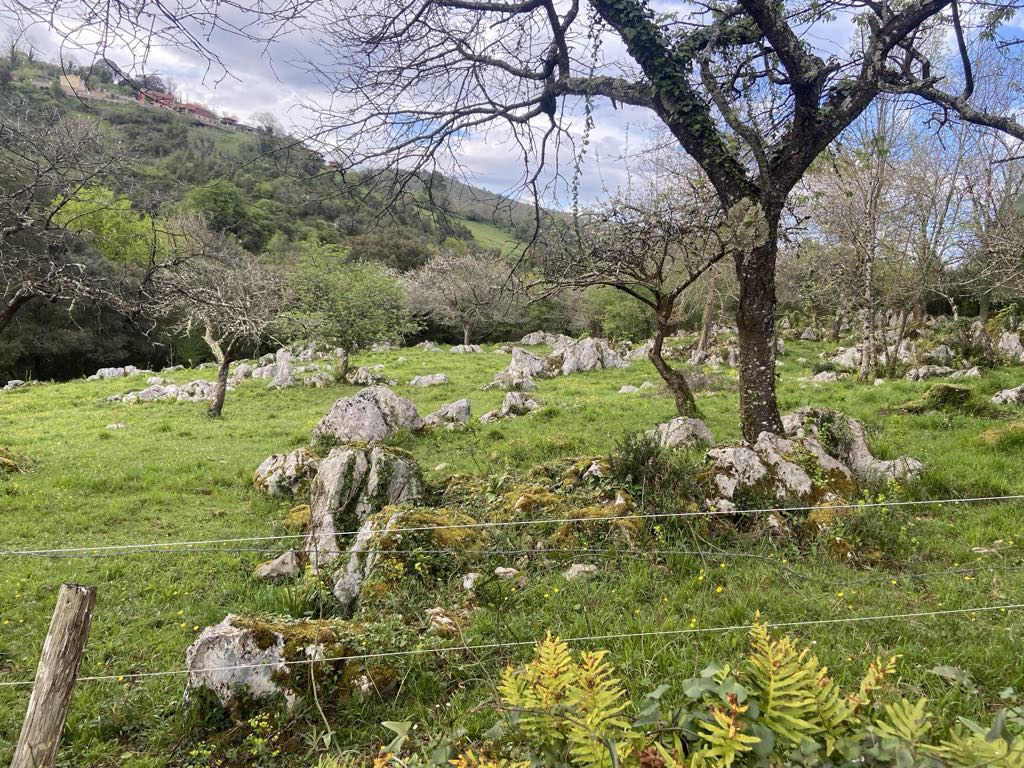
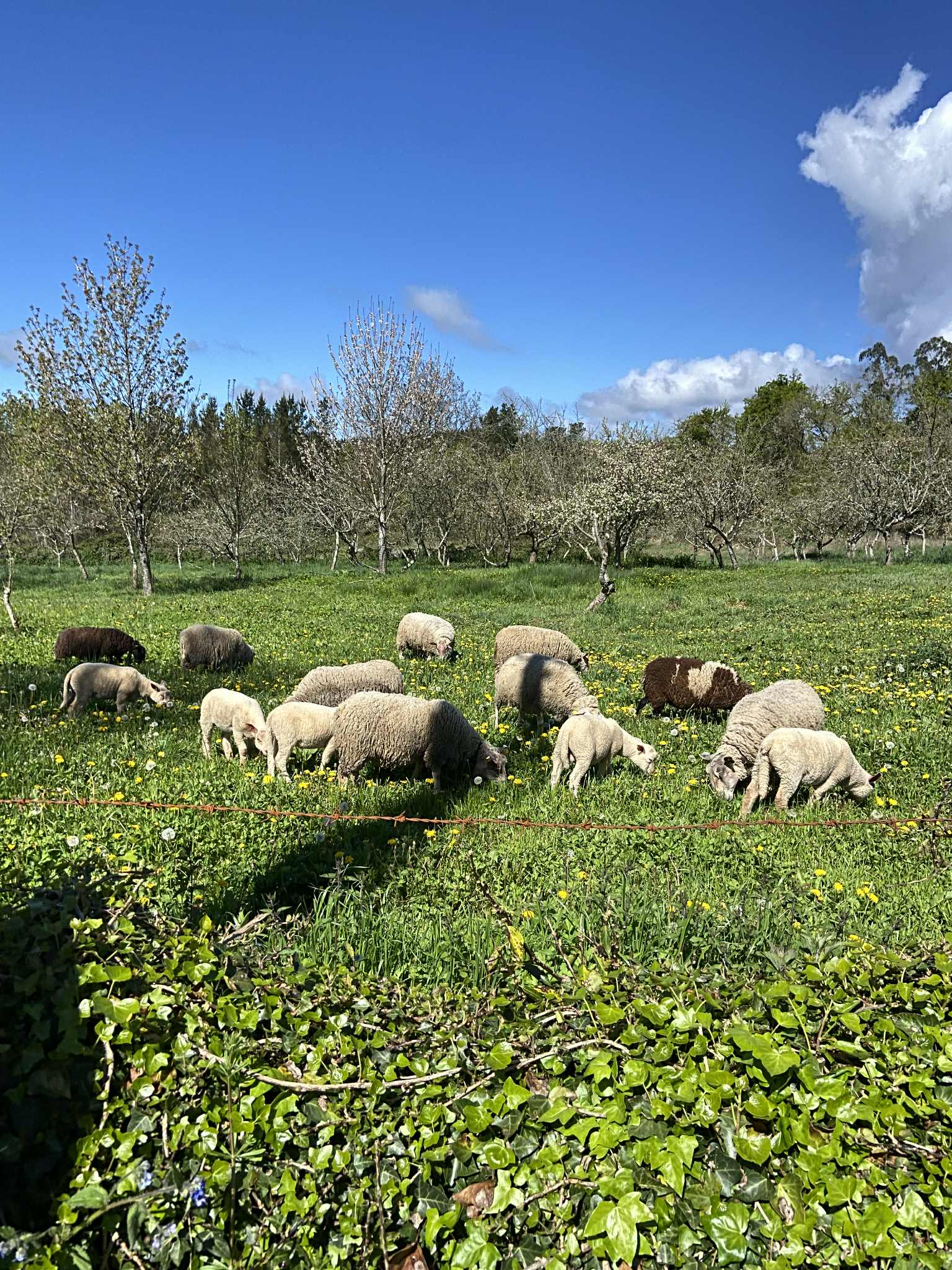
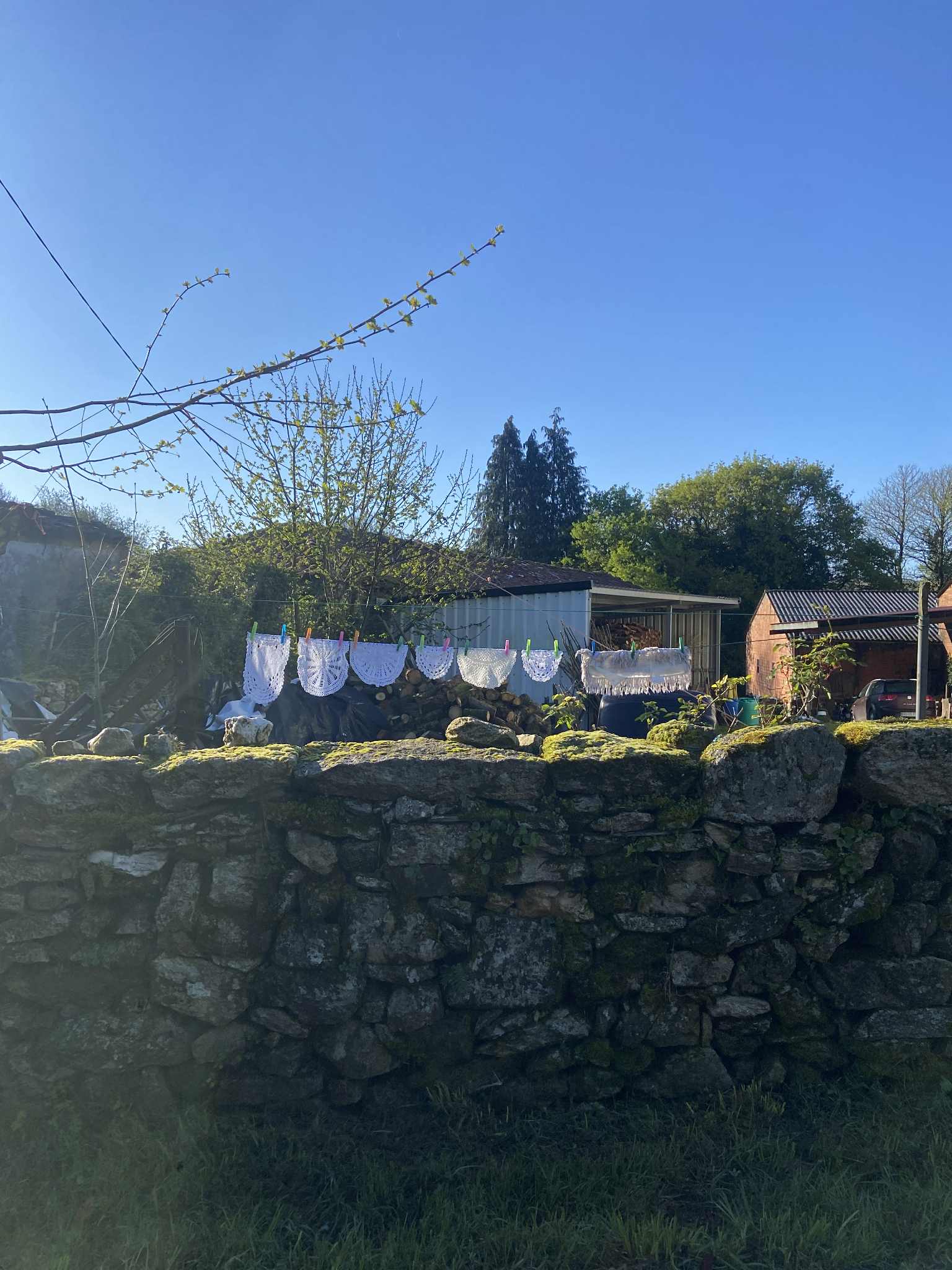
The walk officially starts at the cathedral in Oviedo where we took an obligatory photo for the start of our adventure. Oviedo is a real-life bustling city, and the beginning of the walk took us through the streets of Oviedo, following shells we found in the footpath. It was exciting and strange to be walking through the city in our hiking gear, continuously looking for the next shell. We picked up some fresh bread from a bakery and some cheese, and as we walked further out of the city, we found a small park to have a picnic. After lunch, our pilgrimage began in earnest as we moved away from the hustle of the city and into small towns and villages, following winding country paths passing cows, sheep and sleepy dogs lying on the front step of homes. We had marvellous sunny weather and enjoyed the winding route, with small climbs every now and again.
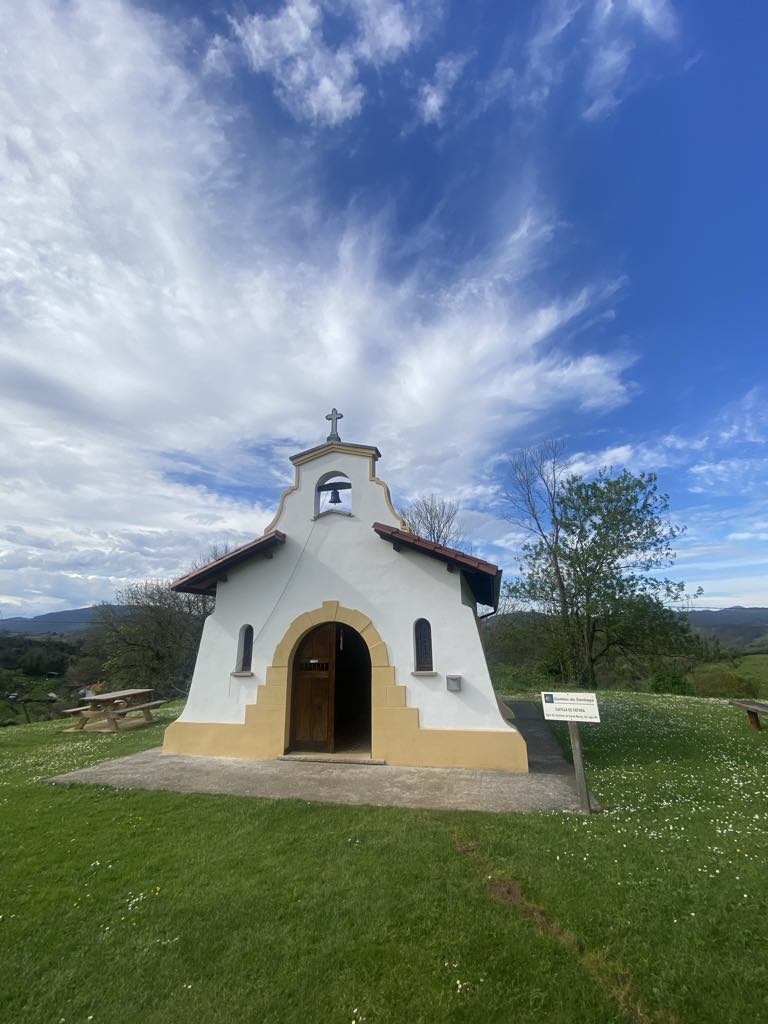
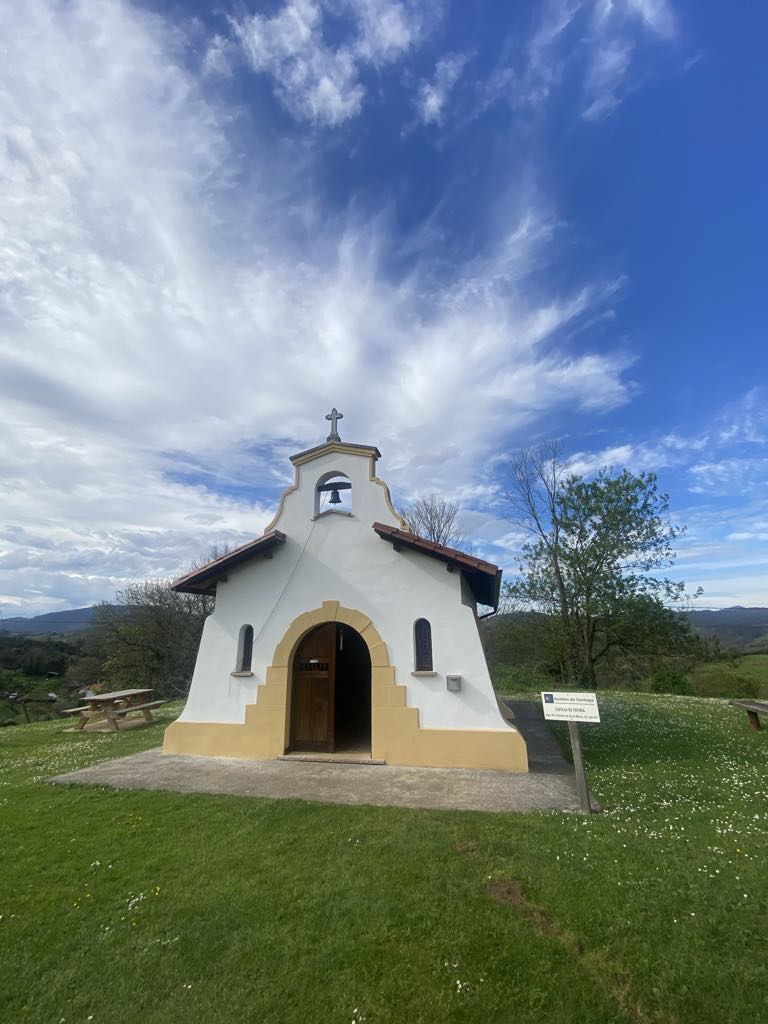
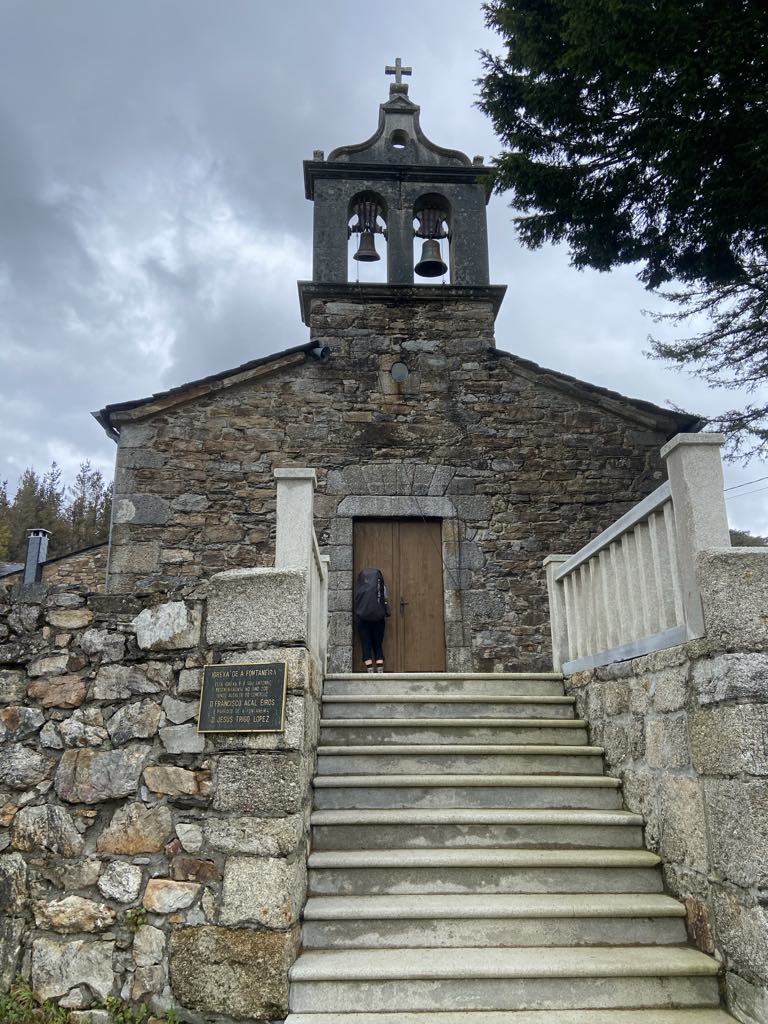
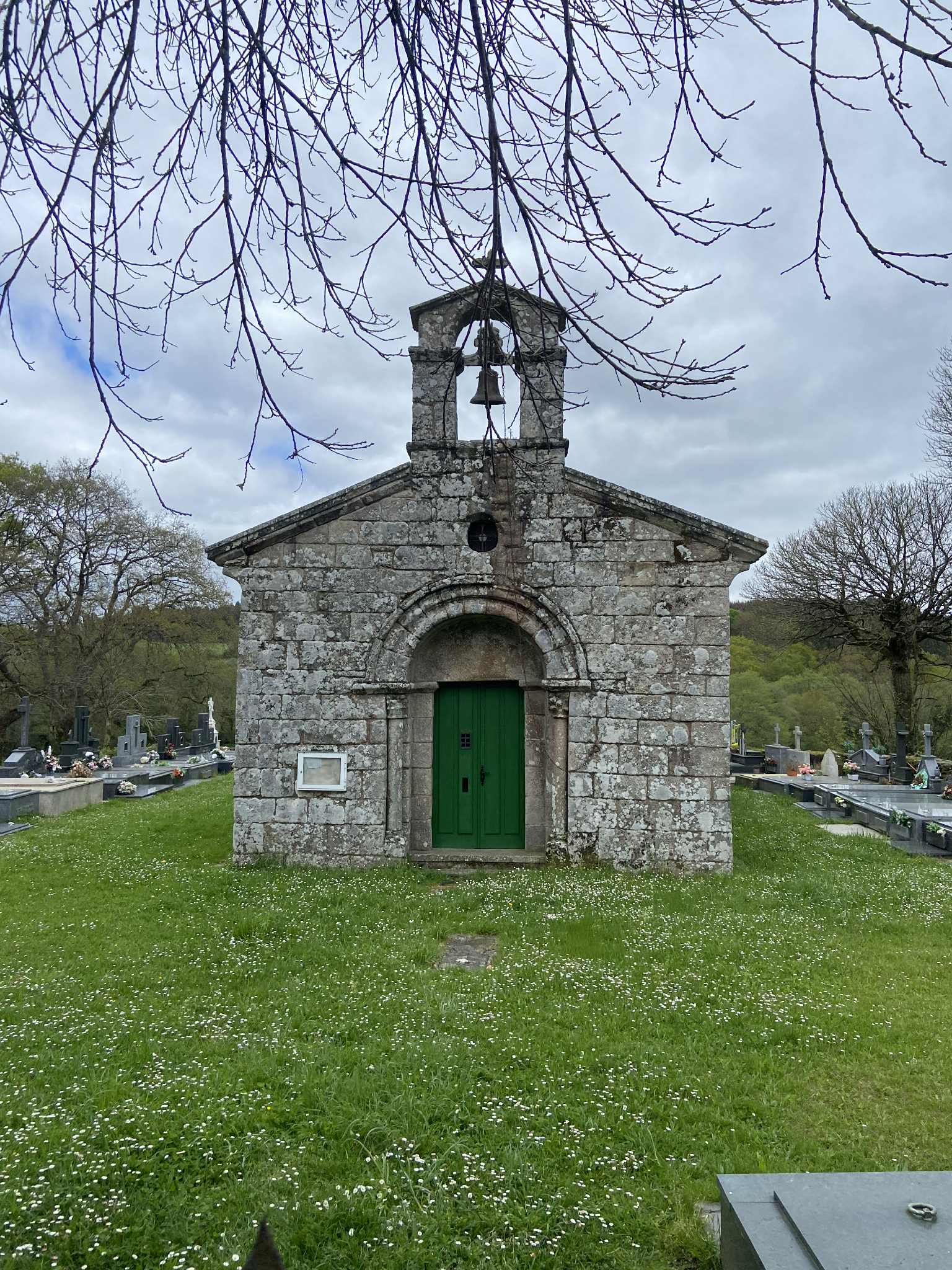
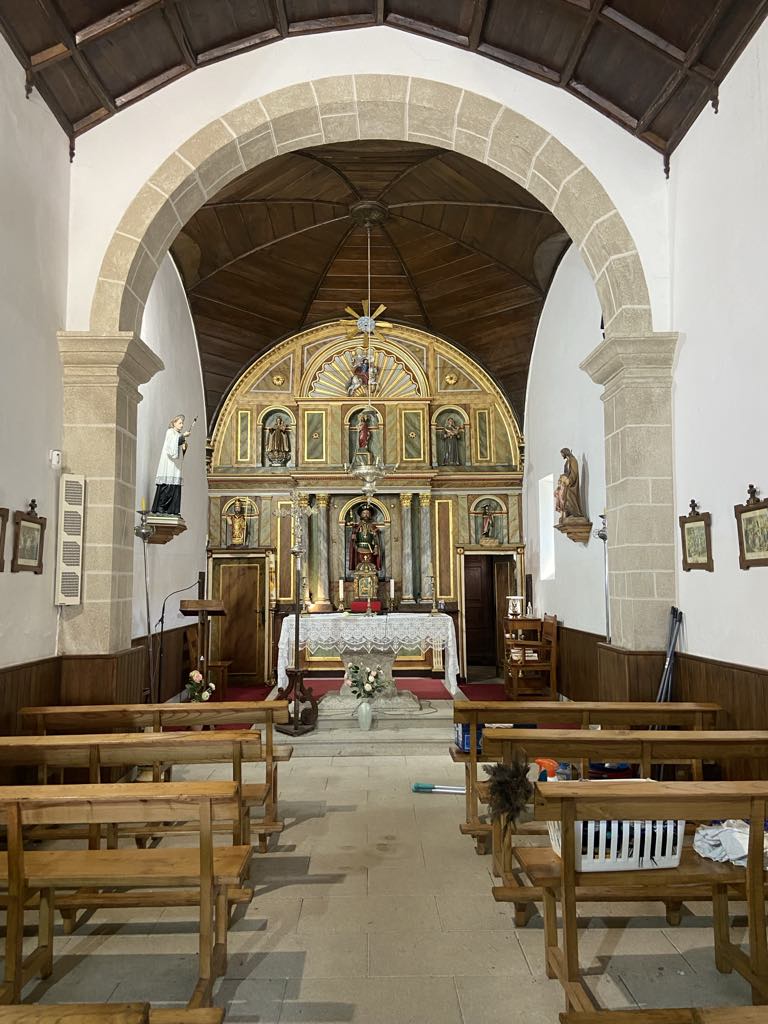
We came across two churches on our walk, Capilla del Carman Lampaxuga and Capilla de Fatima, both of which had stamps for our passports. Capilla de Fatima is a particularly beautiful church, and was a nice place to take a break. We were enjoying a nice rest when a local man kindly said hello and pointed to his watch, encouraging us on before the day got too late.
Overall, the walking was not difficult, however it was a long day and the feet were well into feeling sore by the time we ended walking for the day. We had originally planned to walk to Grado on day one, however due to the late start, we ended up deciding to stop early and stay the night in Paladin. We stayed in an albergue with several fellow pilgrims and made our first friends of the trip, sharing octopus for dinner (a specialty in northern Spain). So ended our first day, with a long sleep broken only by the loud snoring of fellow pilgrims.
Day 2: Paladin to Casazorrina (27.5km)
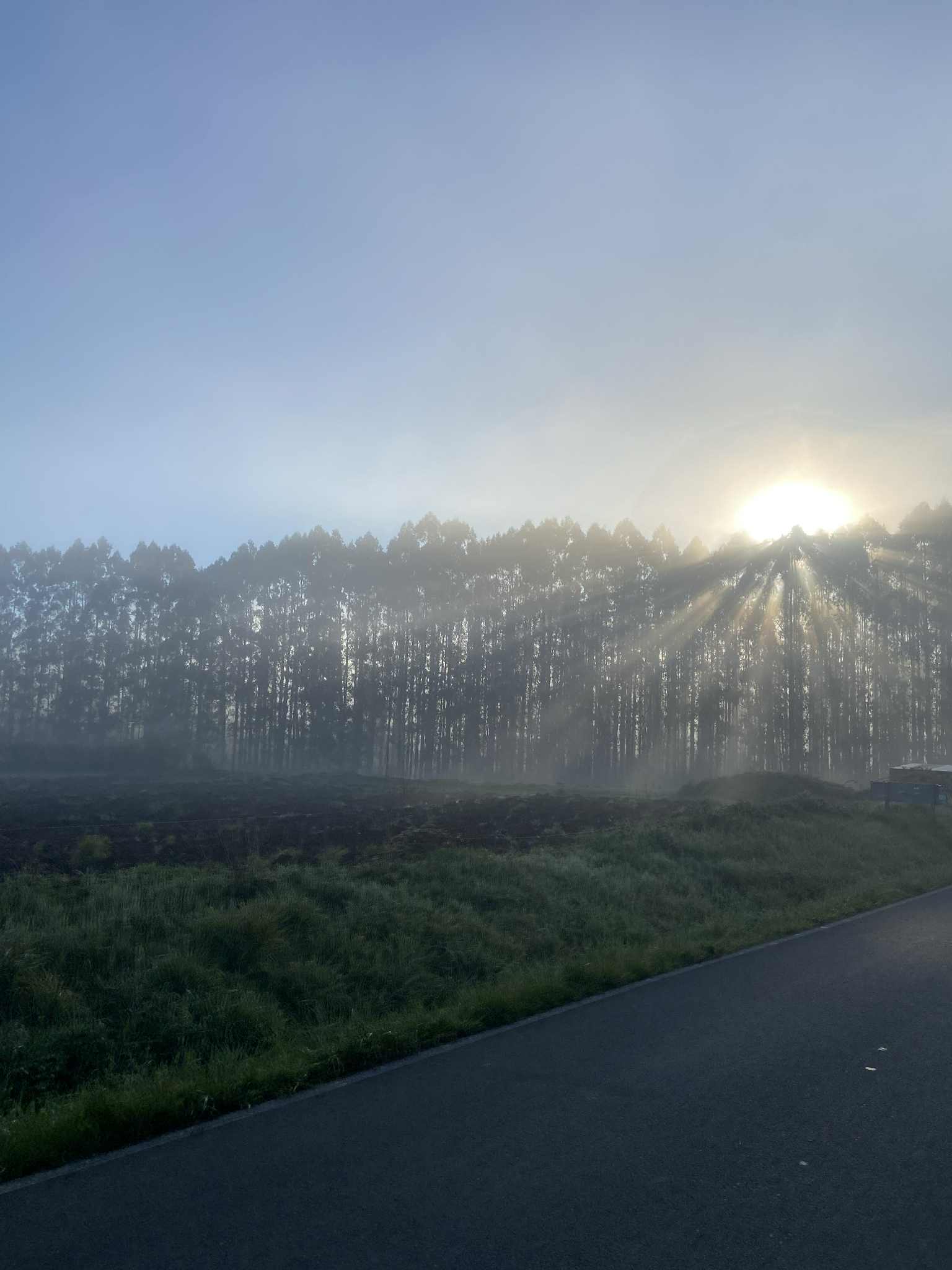
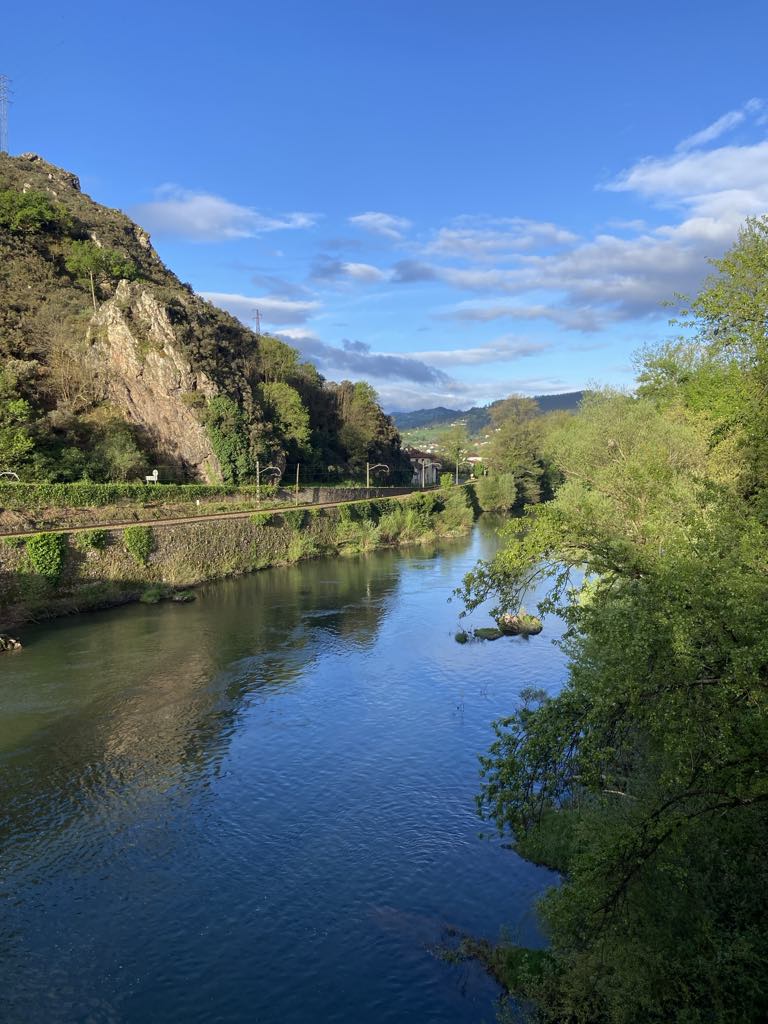
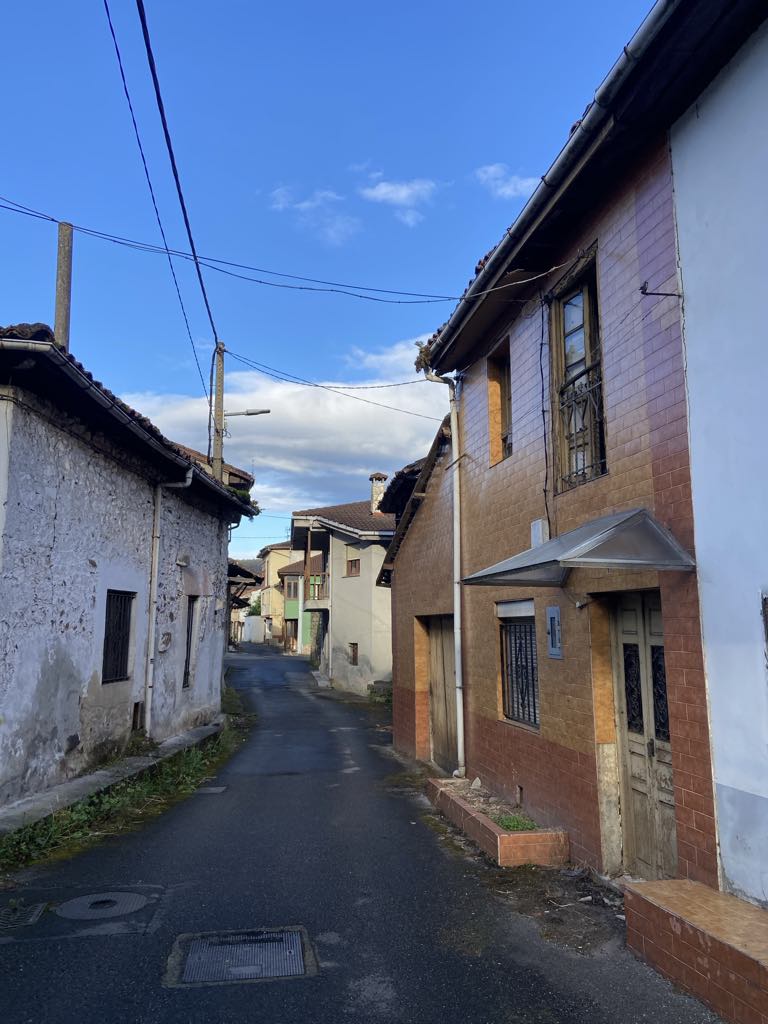
With hopes of not running into the eccentric master of the house, we made an early start. Day 2 started with a beautiful walk along the river, the sounds of babbling water, mooing cows and the gentle dinging of cow bells encouraging weary legs. The foggy morning walk took us along the road through tiny towns and sleepy villages, crossing an expansive river by bridge before coming to a larger town.
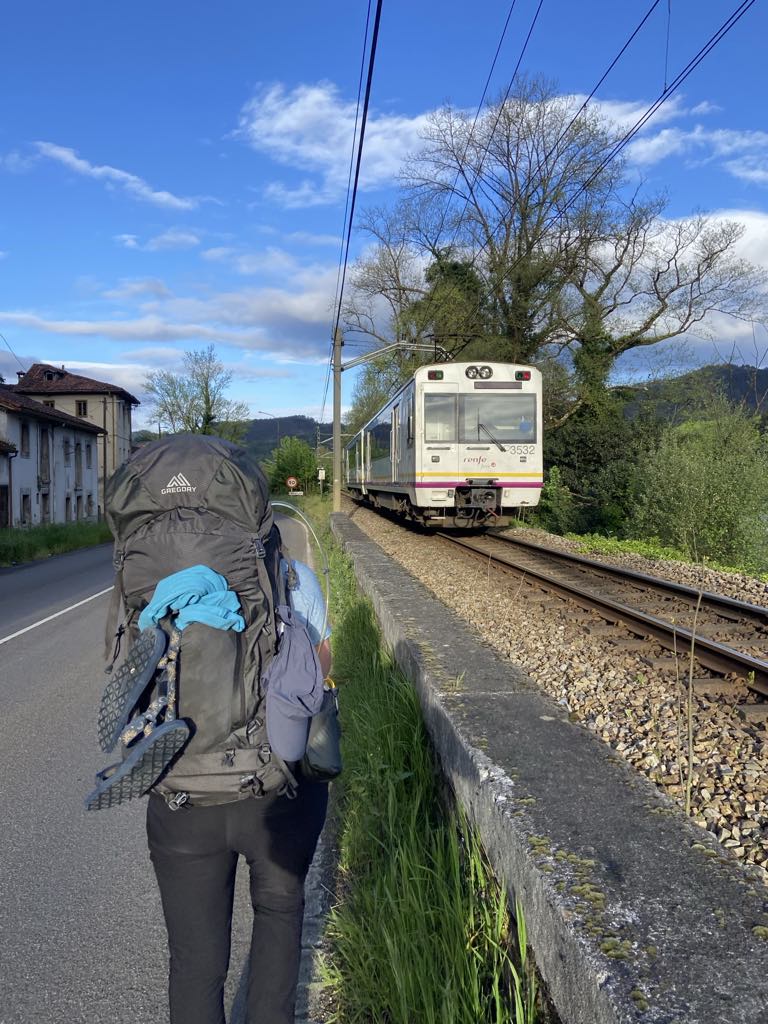
Briefly confused, we stood on the sidewalk considering our options, before a very adamant and elderly gentleman began yelling directions at us in Spanish while we tried to explain we don’t speak Spanish. In fact, he was so adamant that we eventually had to start walking in the direction he pointed to get away from him. We heard yelling, looked back, and saw as he continued to point his walking stick in the direction he thought we should take, and nodding as we obviously made the correct turn. We had breakfast at a cafe, picked up some bread and cheese from a shop, and continued on our way. This was also our first attempt at speaking conversational Spanish, but quickly frustrated and confused the cafe owner (90+ days of Duolingo for nothing) who moved us on.
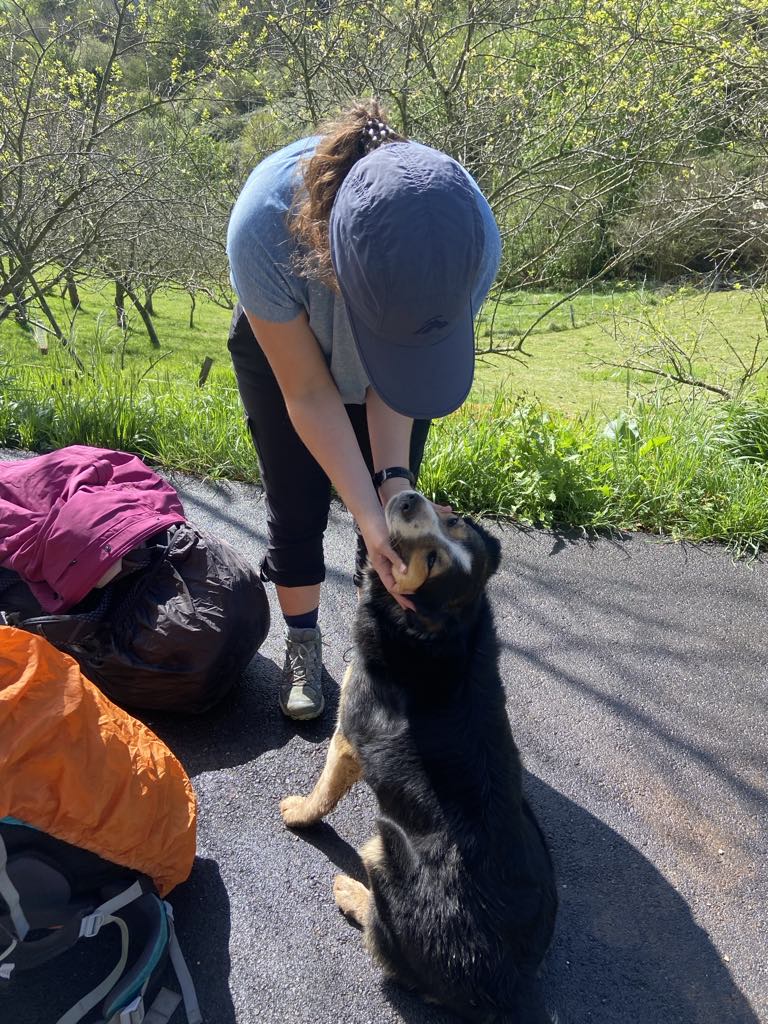
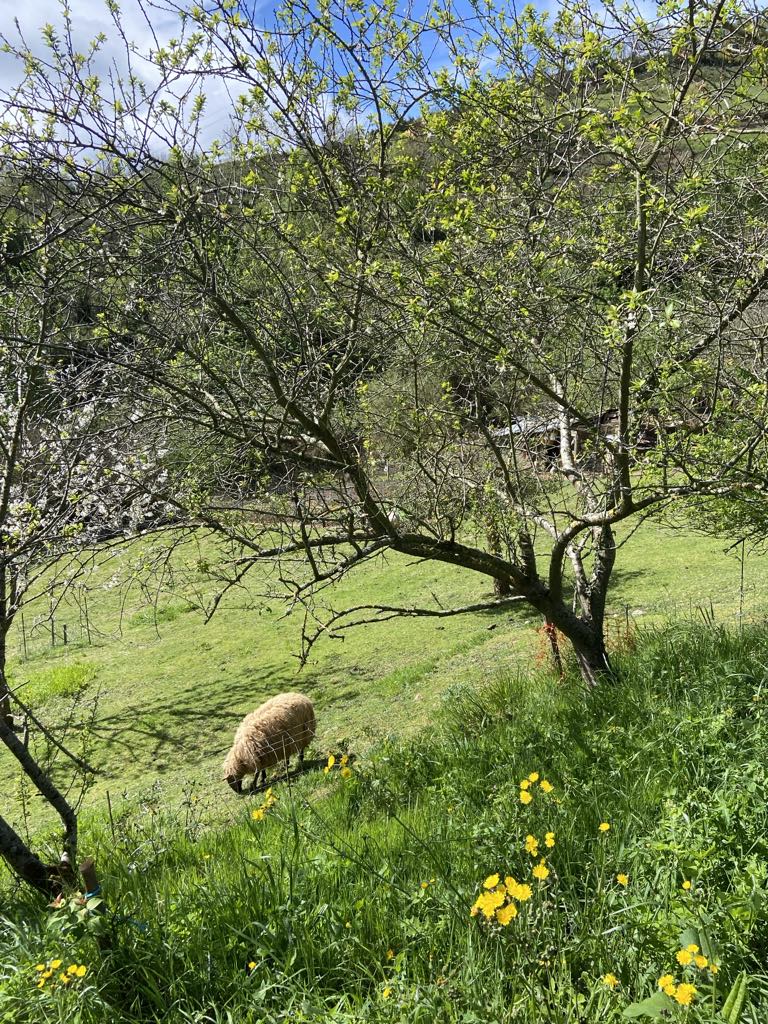
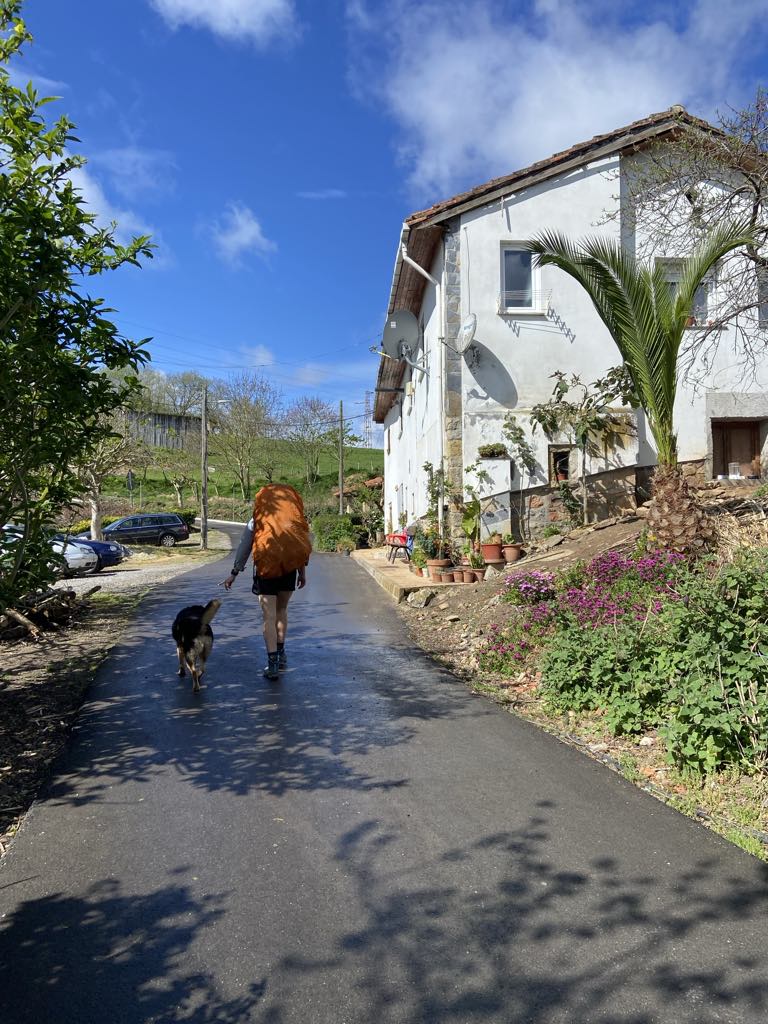
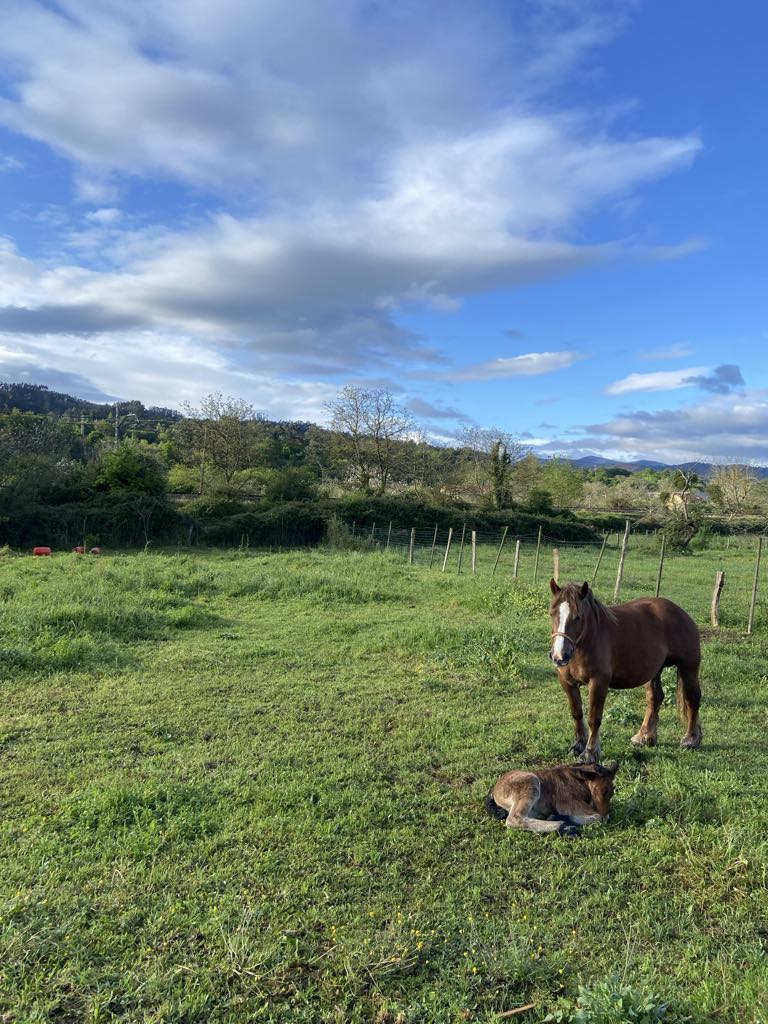
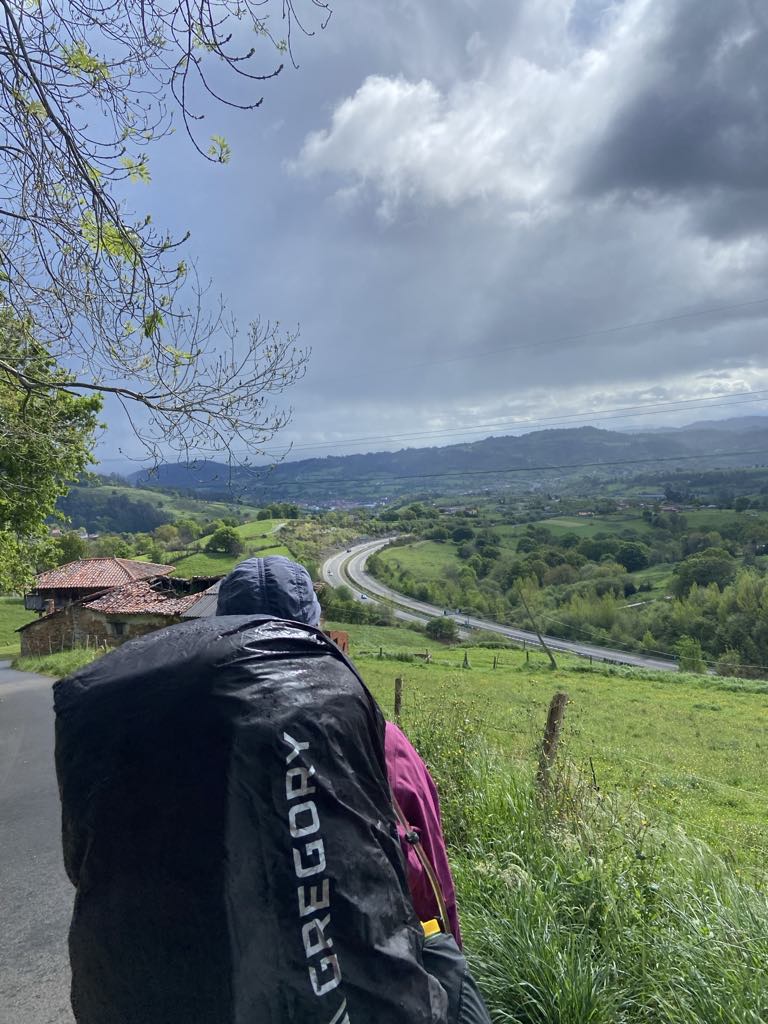
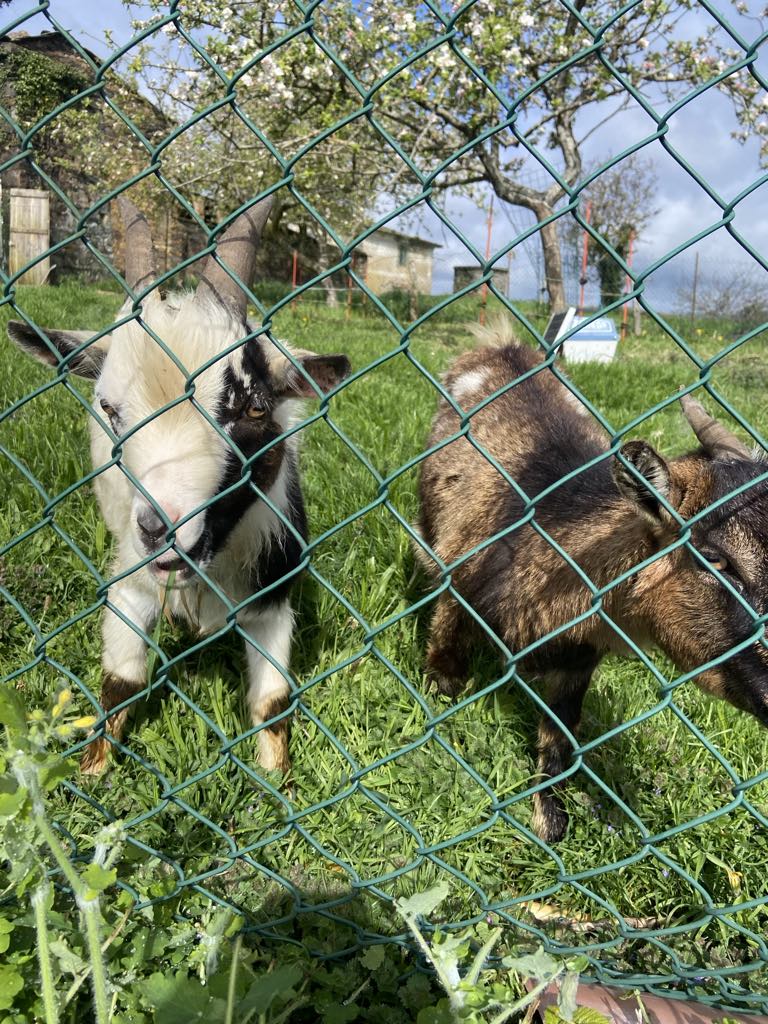
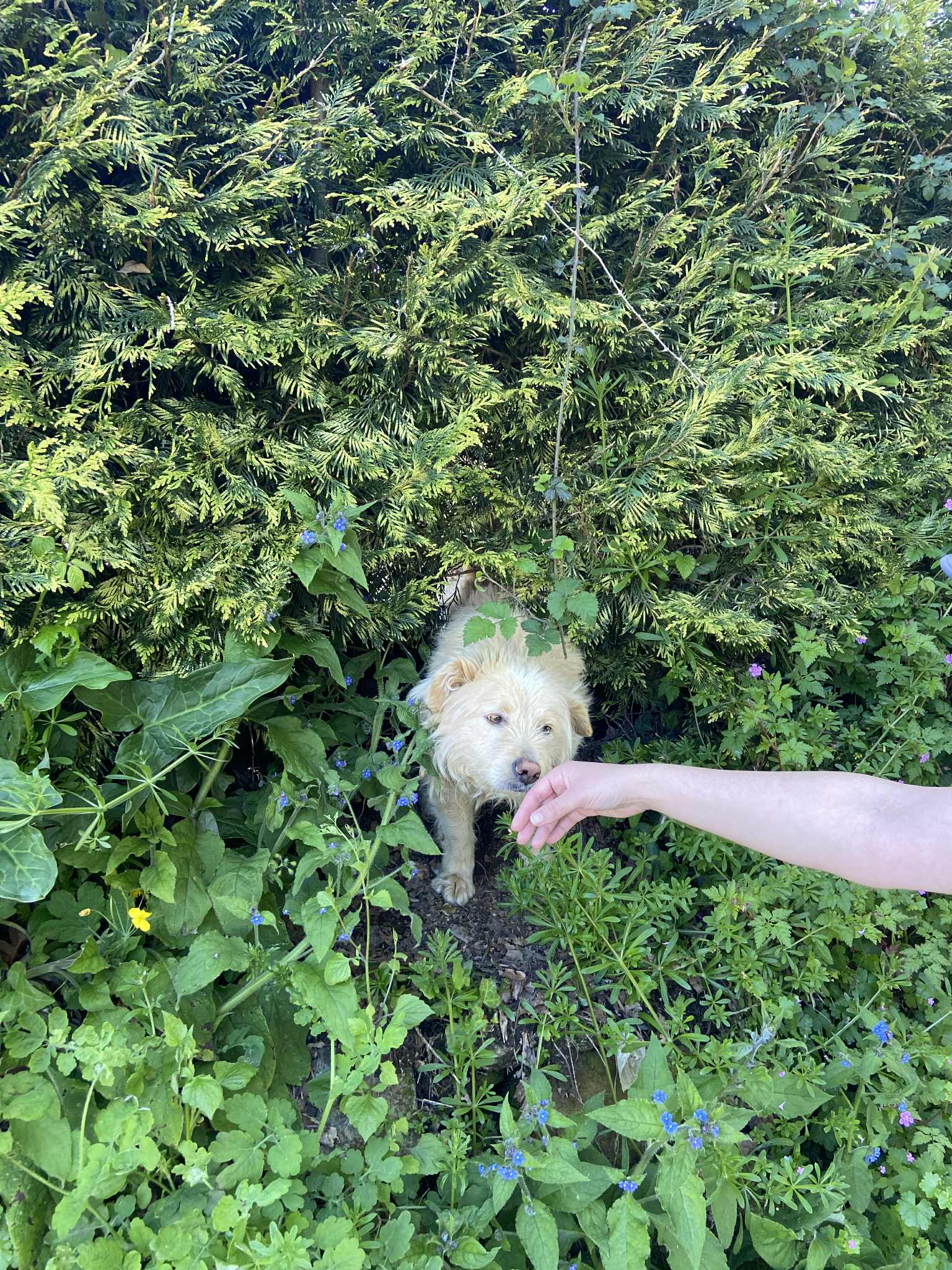
There were several big climbs on this day. We were kept company almost the whole way by friendly cows and farm dogs, with one particular dog becoming a fellow pilgrim and walking some of the way with us before he turned home (apparently this can be a big problem with dogs following you and accidentally ending up miles away from home).
After hours of walking, we came across an unexpected albergue called La Figal which looked promising. This was the best albergue of the whole trip!! The building was beautiful, staff were kind and the pilgrim meal was delicious home-made cooking. Would absolutely recommend making the stop at La Figal and literally planning your trip around this.
Day 3: Casazorrina to Tineo (24.7km)
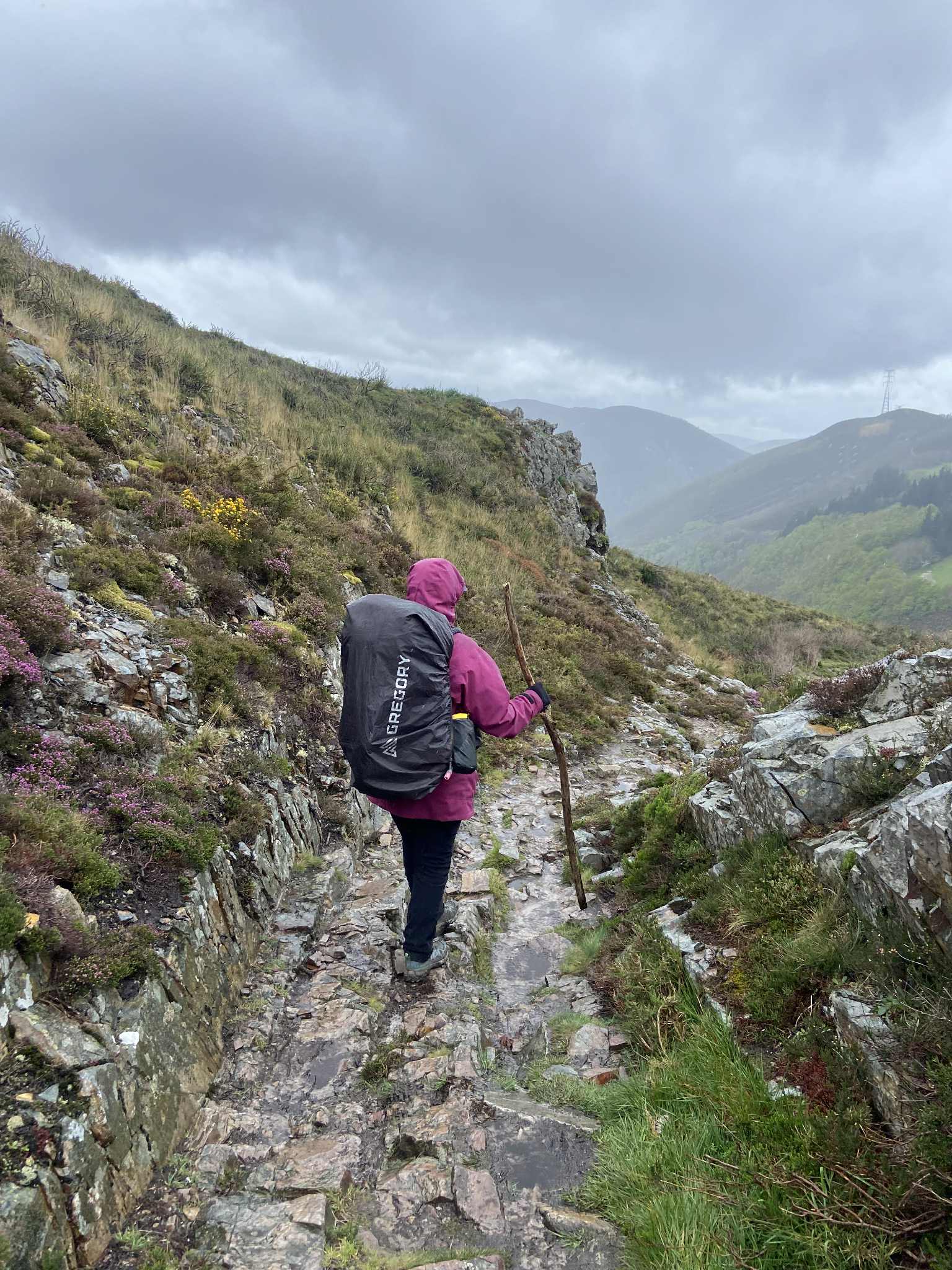
The crisp morning started with some gentle walking through fields before arriving in a sleepy town. It was at this point that my knees started to feel the full effects of the 48km walked in the past two days, combined with the cold morning weather. With a quick Google for strapping techniques, some sugar, pain relief and a suitable stick, we continued on as the route veered off road and onto a rocky uphill trail. This was a pretty section of walking, and there was opportunity to add a small side-quest which led off to a waterfall and would have been a great spot to stop for morning tea if it weren’t raining. It rained fairly consistently on this day as we continued uphill for several kilometers, and we were very pleased to have Easter eggs (that mum had sent with us from Australia) and a thermos of tea to spur us on.
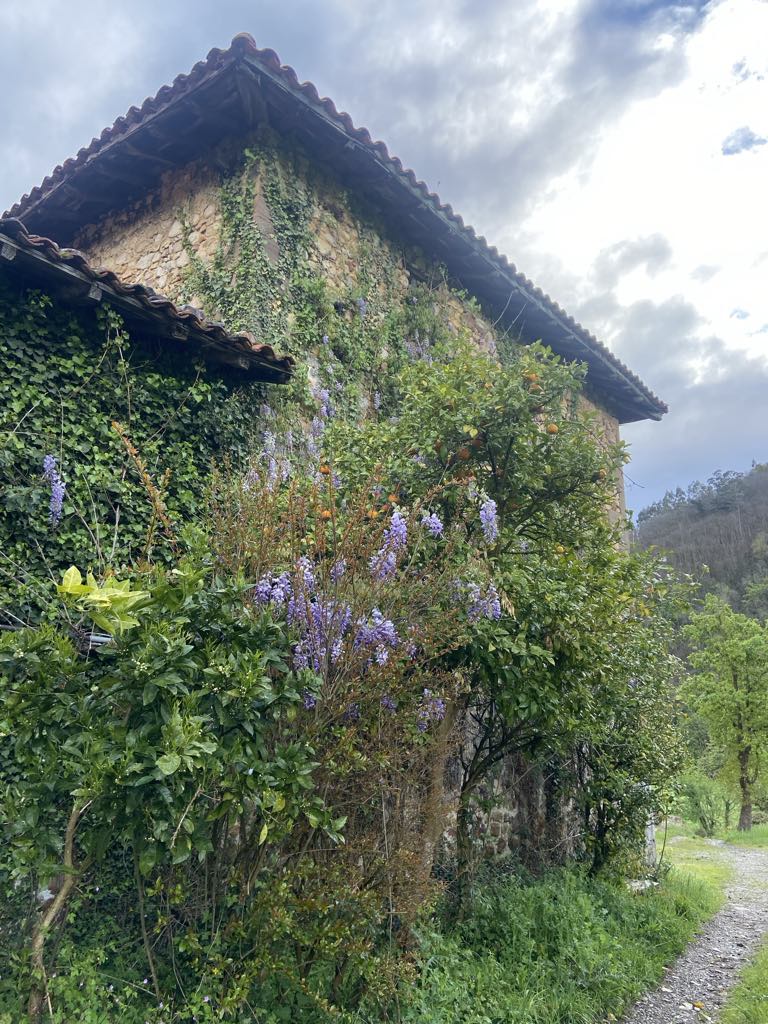
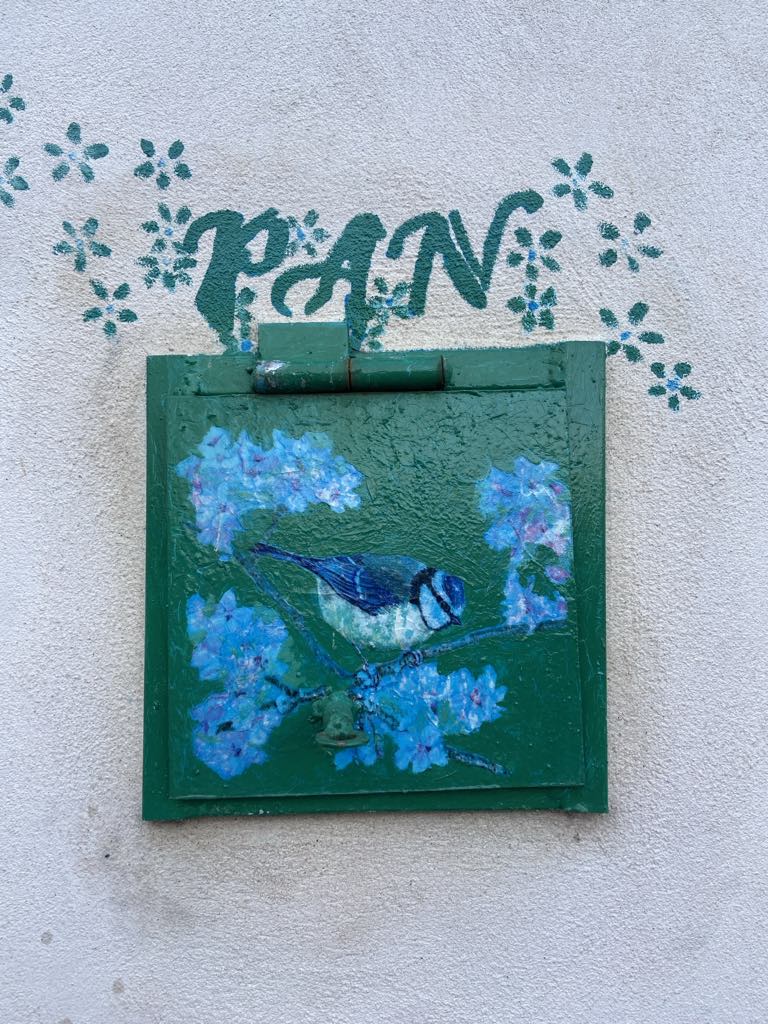
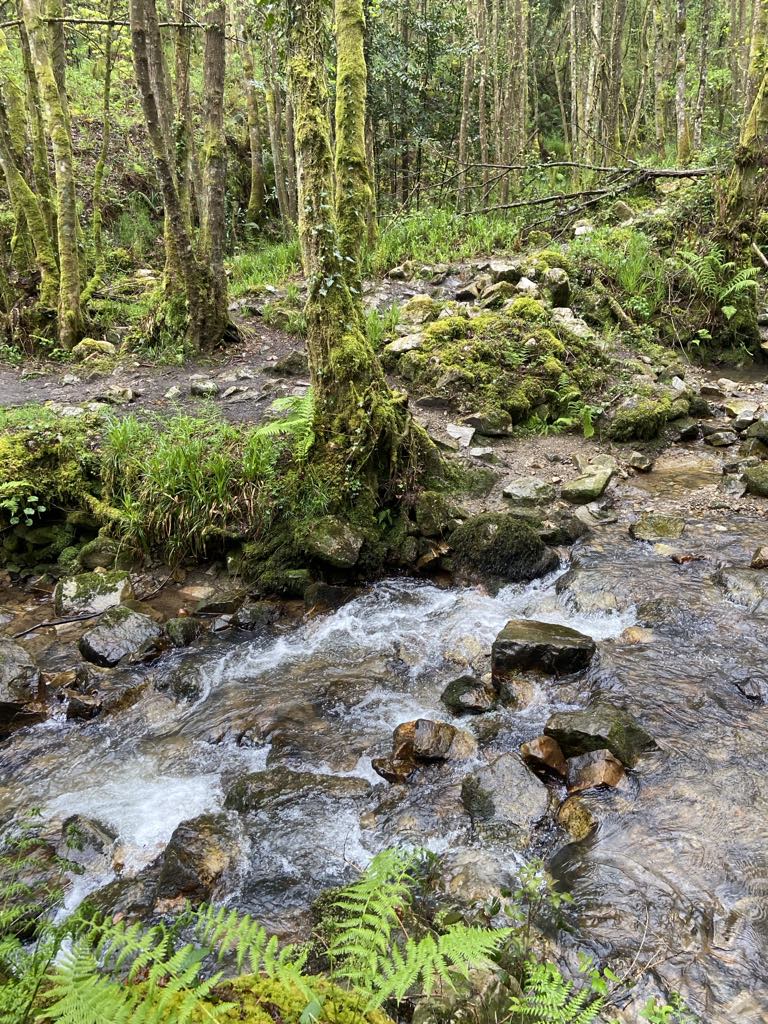
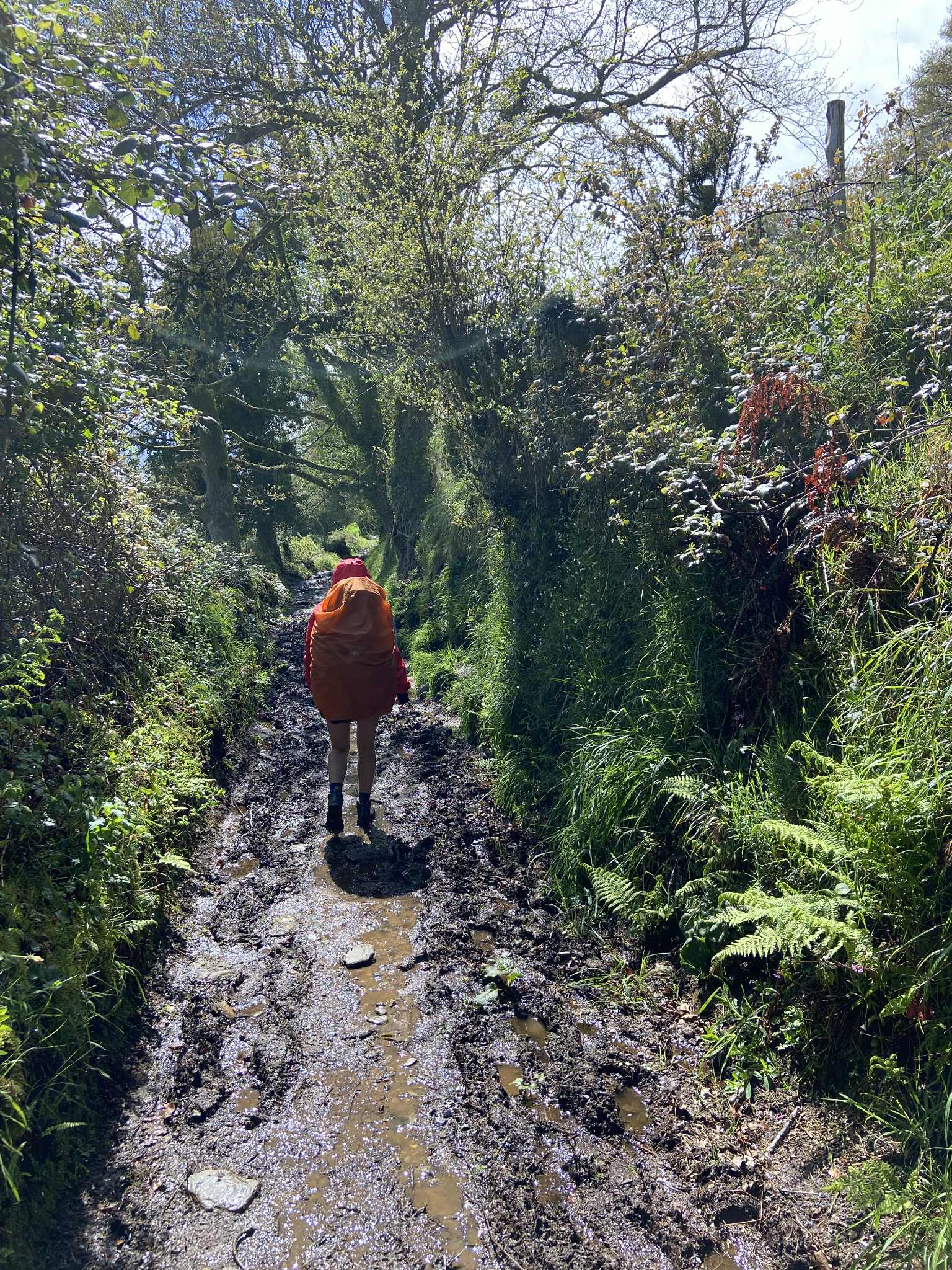
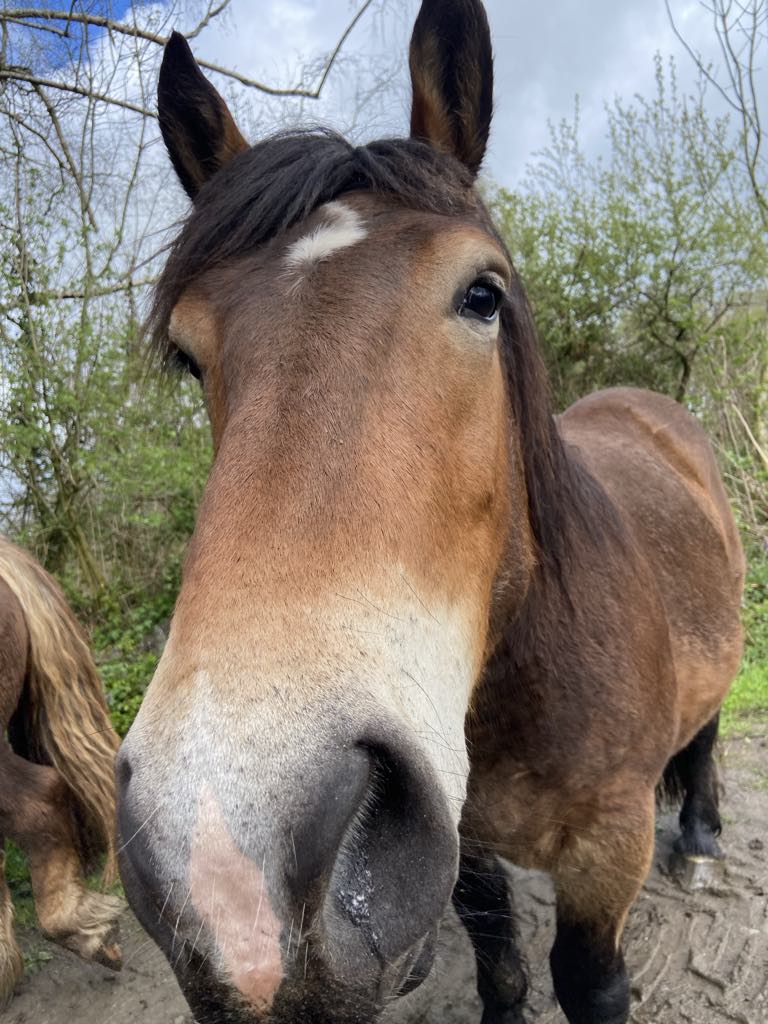
As we headed into the afternoon, the rain (and hail!) started in earnest and we sought refuge in a church where we also collected a stamp. By this point, it had rained (and hailed!) on and off all day and it was becoming clear that the boots could not withstand the mud much longer, despite all the acrobatics to avoid it. We continued on in the heavy rain for several hours feeling sorry for ourselves, but also having fun climbing up the side of paths to avoid the mud. We saw cows and horses up close as farmers moved them between paddocks, and so many rainbows!
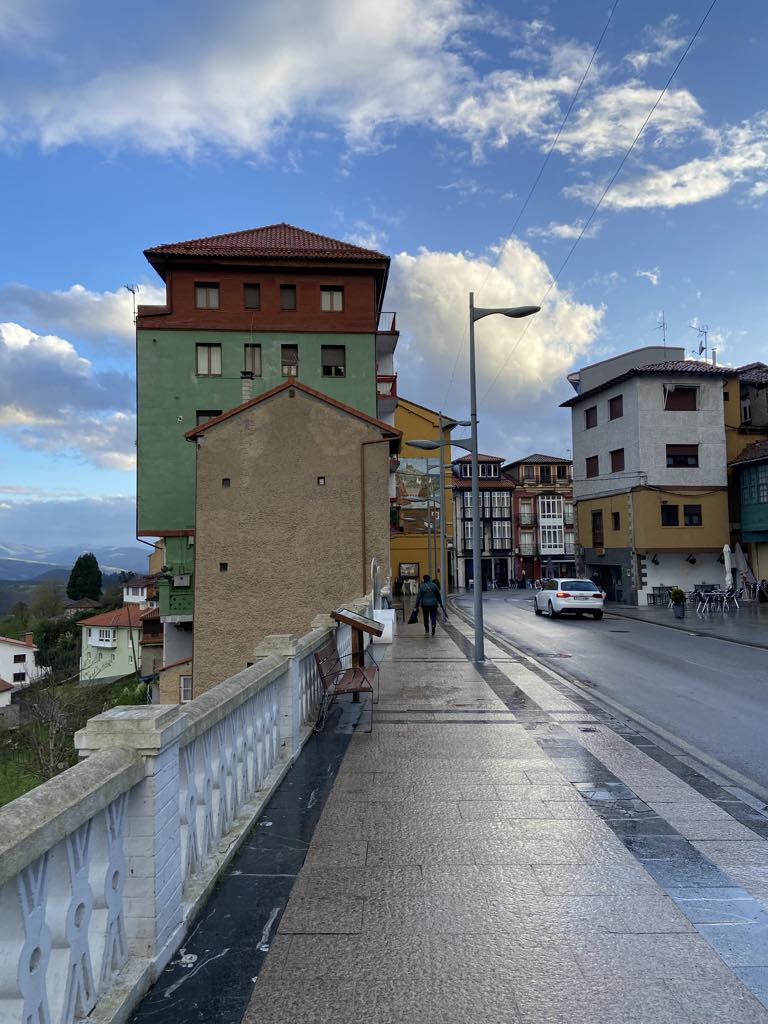
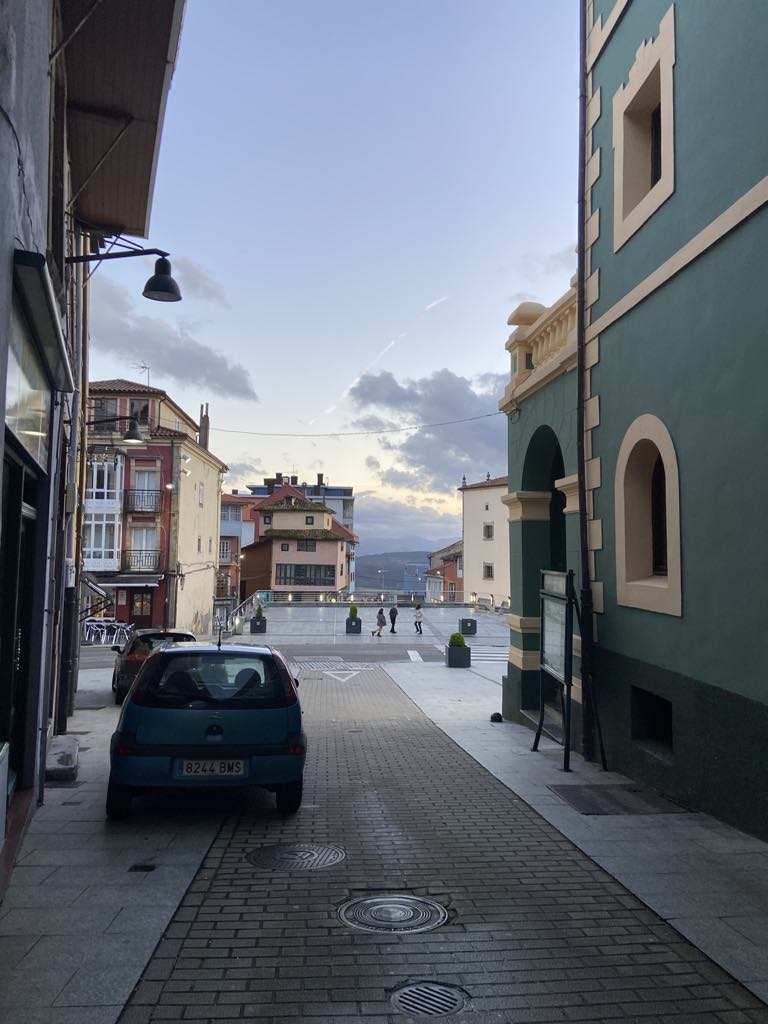
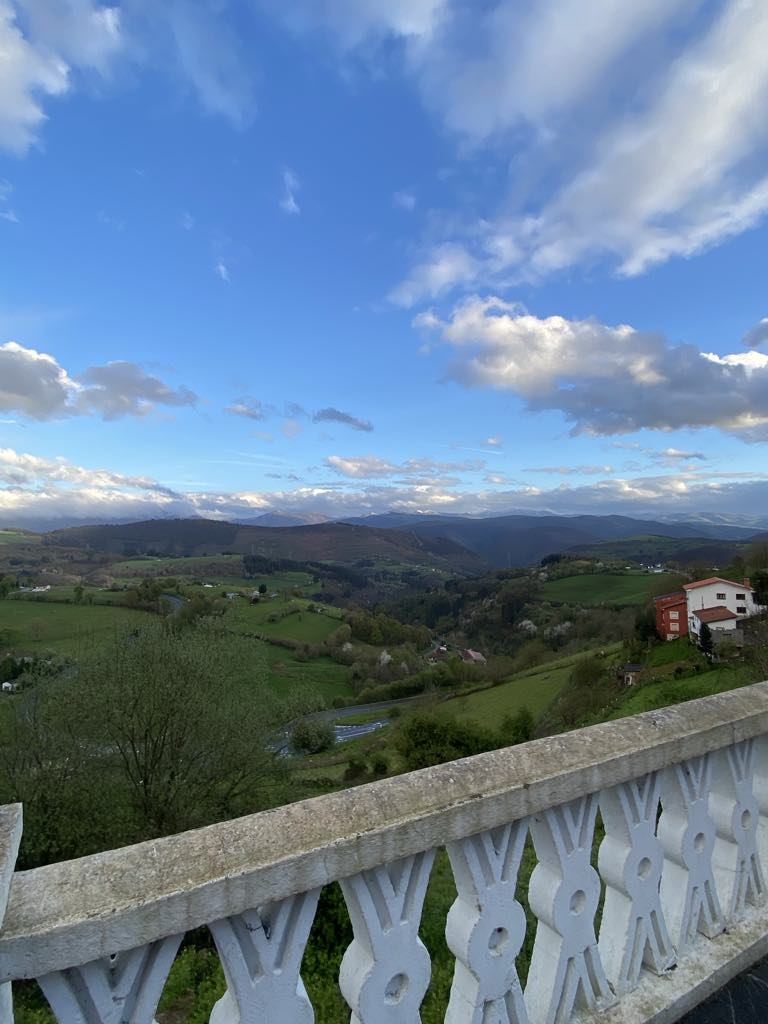
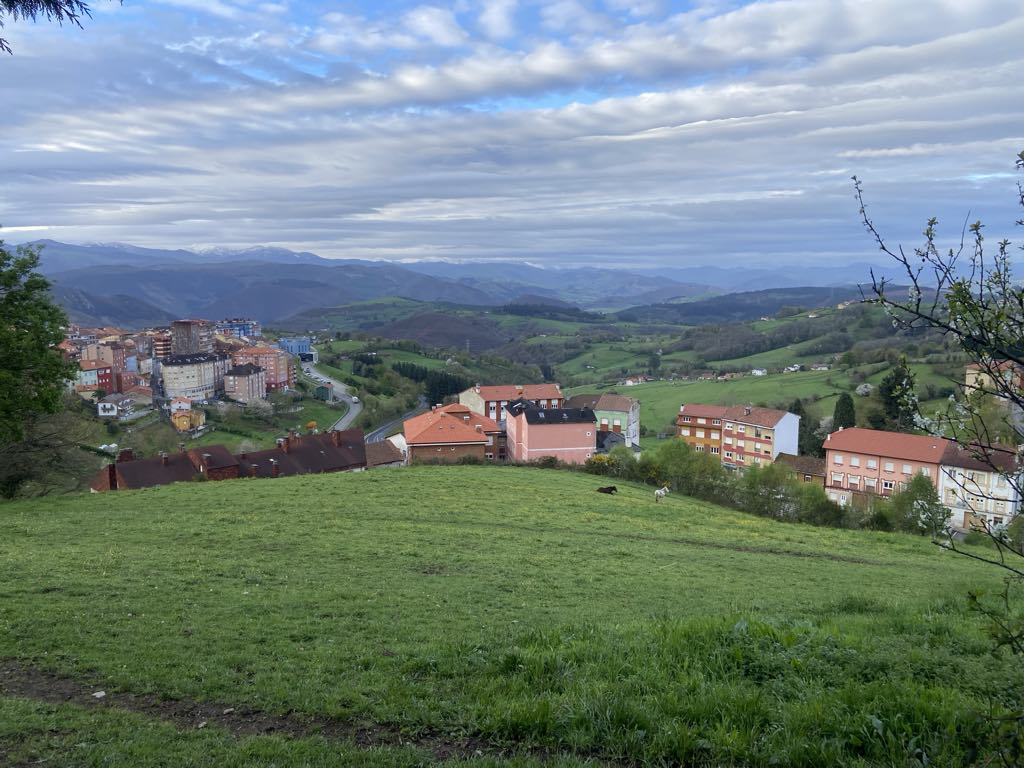
Eventually we made a steep descent into Tineo. This was a tough descent after climbing all day, and by this time our boots were heavy with water and mud. Coming into Tineo was a beautiful view as the thick trees opened up to a colourful town with tall pastel buildings and vast mountainous views behind, snow just peaking into view. The descent was very slow and painful after a long day, and I would encourage anyone to manage their expectations during the final few kilometers of this day (it was tough).
We stayed at a large albergue under a hotel, but some other albergues in town seemed nicer. We had a quick dinner at a bar and picked up snacks for the next day of walking, planning to get away early.
Day 4: Tineo to Borres (16km)
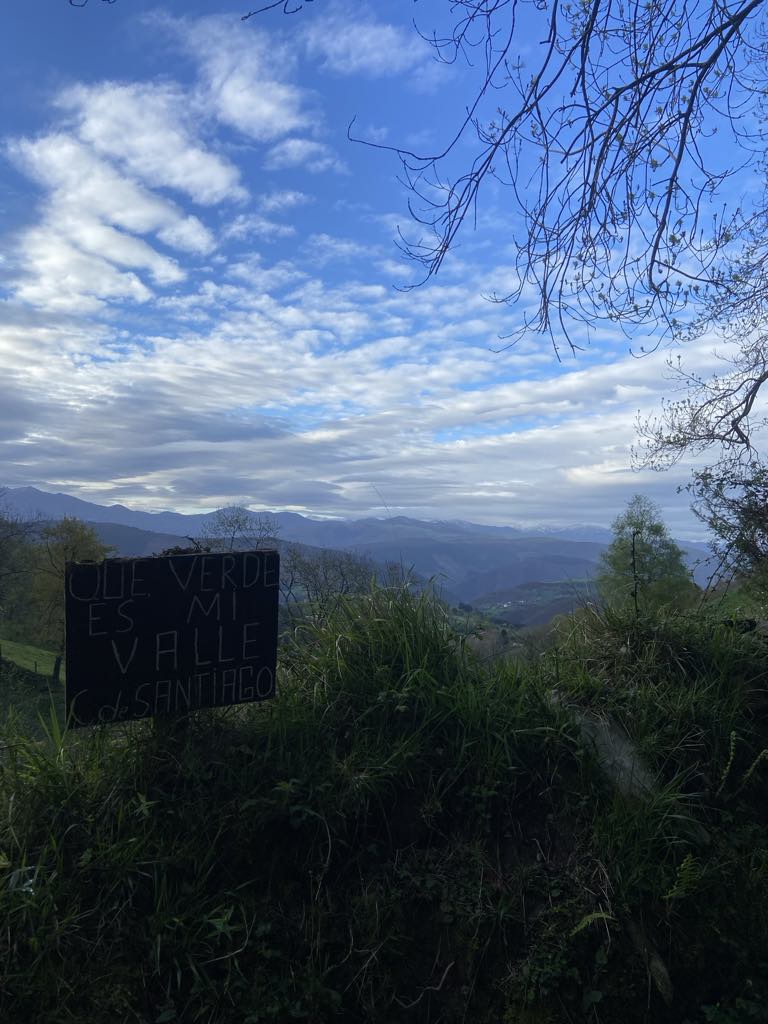
It was a bright, crisp morning as we headed off on the cobblestones towards Borres. This was our shortest day of walking, and oh boy was it nice to have a shorter day to look forward to. After staying in the large albergue, we’d suddenly realised that, no, actually the walk wasn’t that quiet, but rather we had always been hours behind our fellow pilgrims and had been staying in less popular albergues. With the Hospitales tomorrow (a long and notoriously hard day), we were concerned about Borres (the last accommodation stop before Hospitales) running out of beds. With that in mind, we were off at lightening speed. The walk out of Tineo was one of my favourite sections, looking back over snow-capped mountains and the colourful town falling behind us. It was again an extremely muddy day, but we made quick progress, making it to Borres by lunchtime and officially getting a bed at the municipal albergue, fondly remembered as the fuchsia prison.
The fuchsia prison had an interesting set-up, where you had to collect the keys and pay at the local bar. It’s an effective marketing technique as we settled into several beers and a late menu lunch before eventually making the trek up to the accommodation. Despite all our worries, it turns out everyone except for us got a bed in the nice private albergue, so it was just us and our quintessential French friend staying at the Fuchsia prison. This albergue definitely gave us the creeps, with exposed barbed-wire-like bunkbeds, including a curious triple bunk bed with no apparent way to get to the top. At one point, our new housemate offered us some ginger treats, and momentarily after eating the ginger it crossed my mind that he may be a murderer, as he then proceeded to pull out a knife and started carving pieces of meat as he sat on the edge of the bed. This would have been little short of a horror film if he wasn’t literally the sweetest old French man, but a little disconcerting none-the-less. With that said, it was a warm bed and we survived to climb the Hospitales the next day.
Day 5: Borres to Berducedo (25.7km)
Despite out best efforts, our shoes were very wet in the morning as we immediately hit the muddy trail (and so began the 4-5 days with constantly wet feet). There was a short reprieve of road walking before we headed off-road into the muddy farmlands. Not long after leaving Borres, we had the choice of either taking the uphill route, known as the Hospitales Route, or taking the Pola del Allande route. Hospitales takes you past three wrecks of historical pilgrim hospitals, and involves large climbs, wild weather and big views. From our research, both routes eventually meet at the same point, meaning they both have large climbs, but the Hospitales involves a more gradual ascent. We made the decision to take the Hospitales as the weather appeared good.
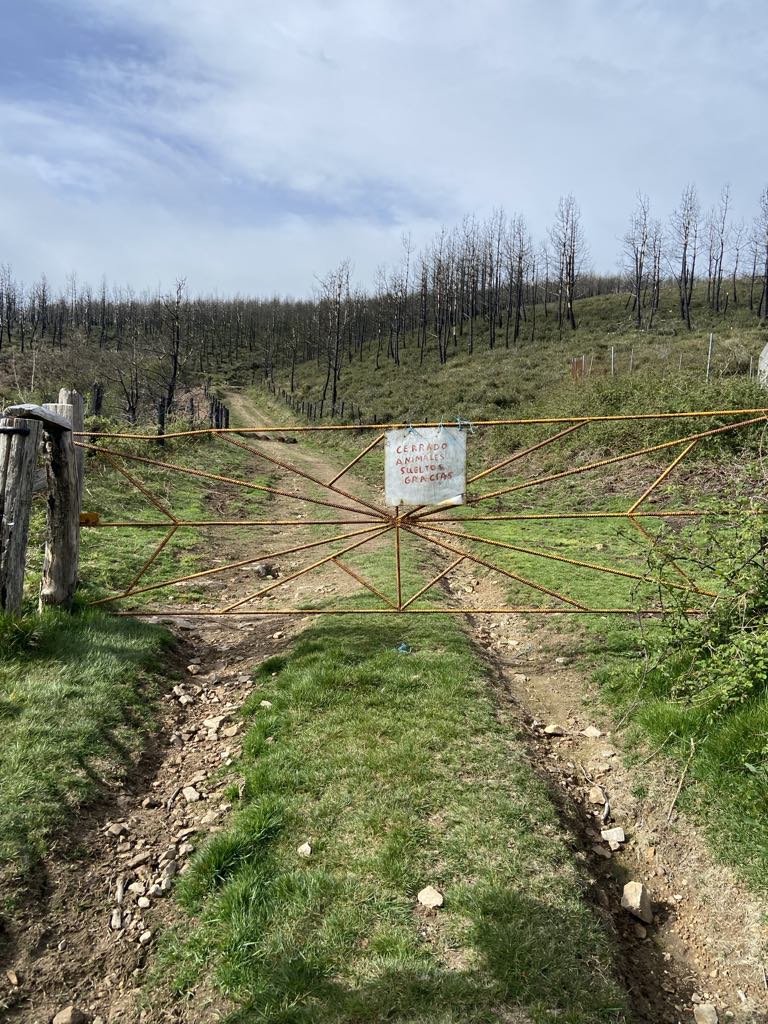
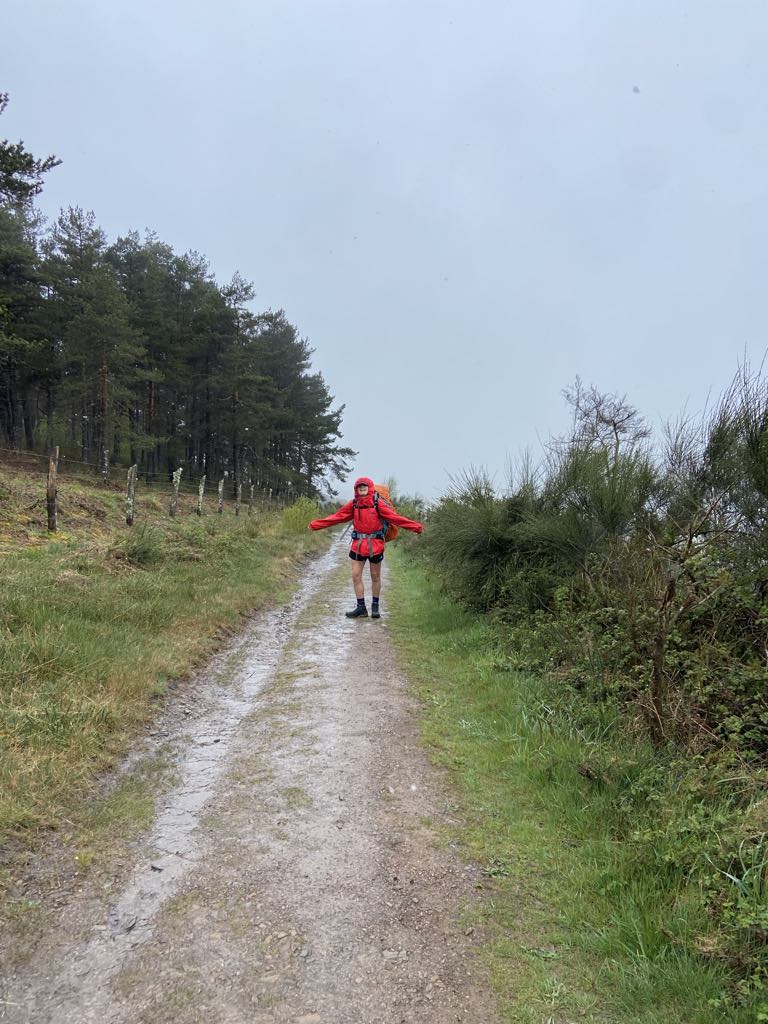
We walked through some small towns with churches (but sadly no stamps), before beginning our climb on a rocky path. It was a gradual although constant climb, and as we came to our first summit, we saw wild horses on the mountain. They were so gentle and graceful, and completely unbothered by our presence. By the time we had made it to the summit, a view of our next climb opened up ahead, and the weather took a dramatic turn, with strong winds and whipping rain. As we passed our first historical hut, we took refuge in the wreck with fellow pilgrims to hide from the wind while we had morning tea. The pilgrims were from Norway and were kitted-out in their snow and water-proof gear. Meanwhile, we sat teeth-chattering, my walking partner’s bare legs practically glowing in the dim light as the pilgrims snuck perplexed looks at the strange woman in shorts.
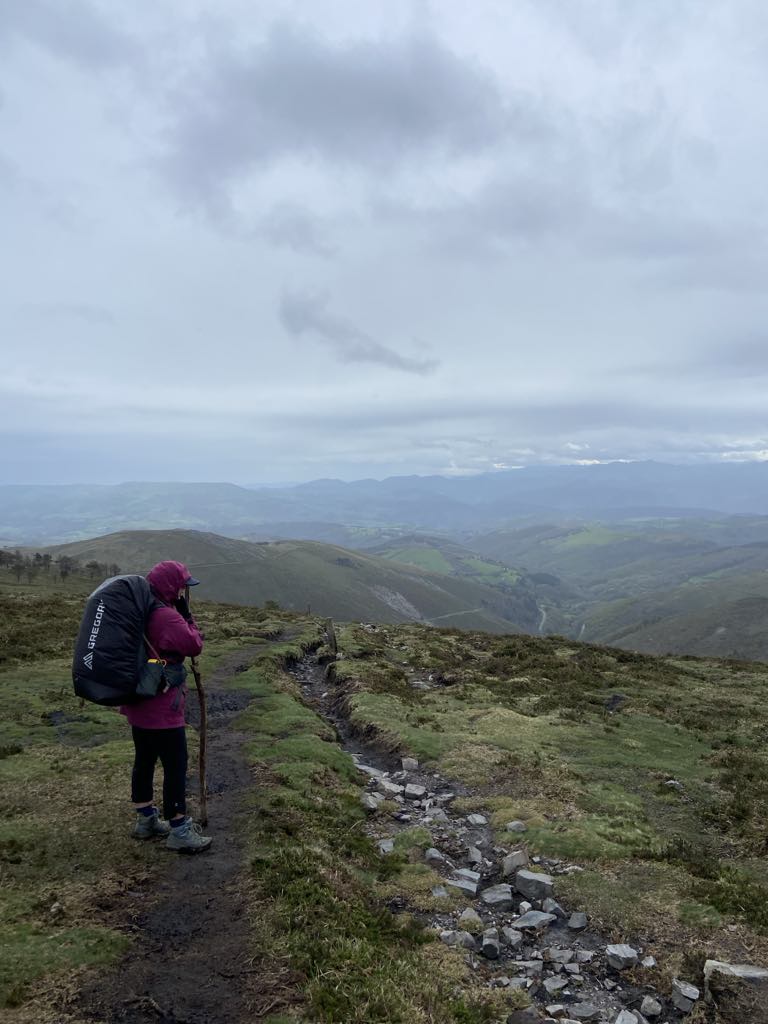
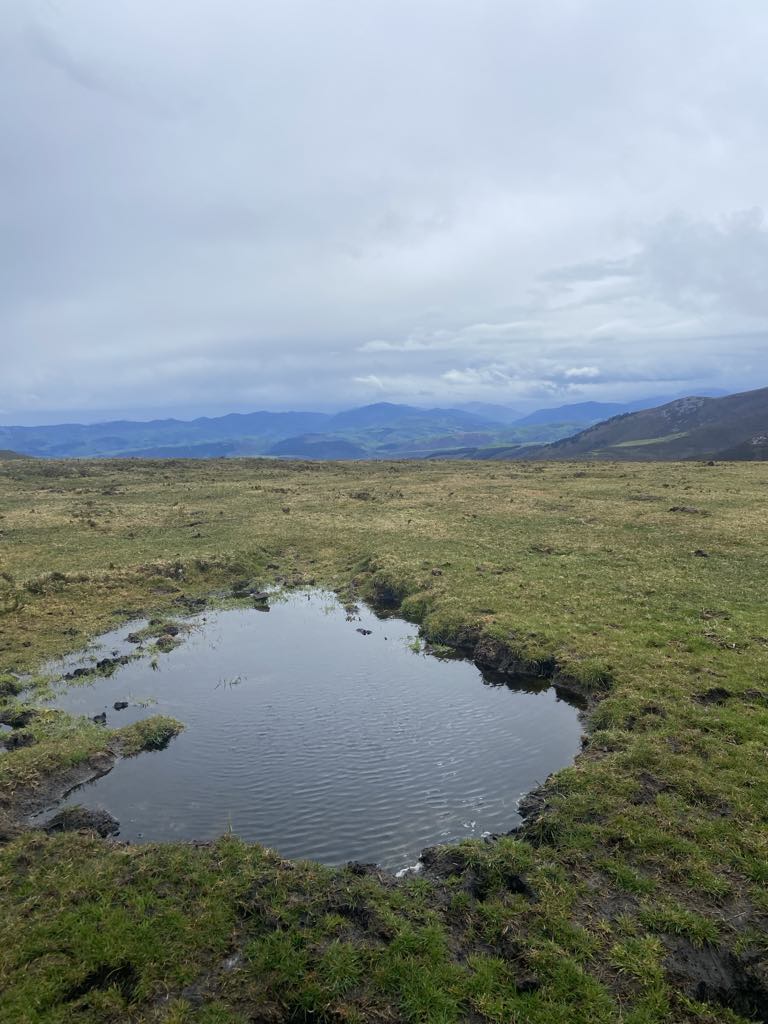
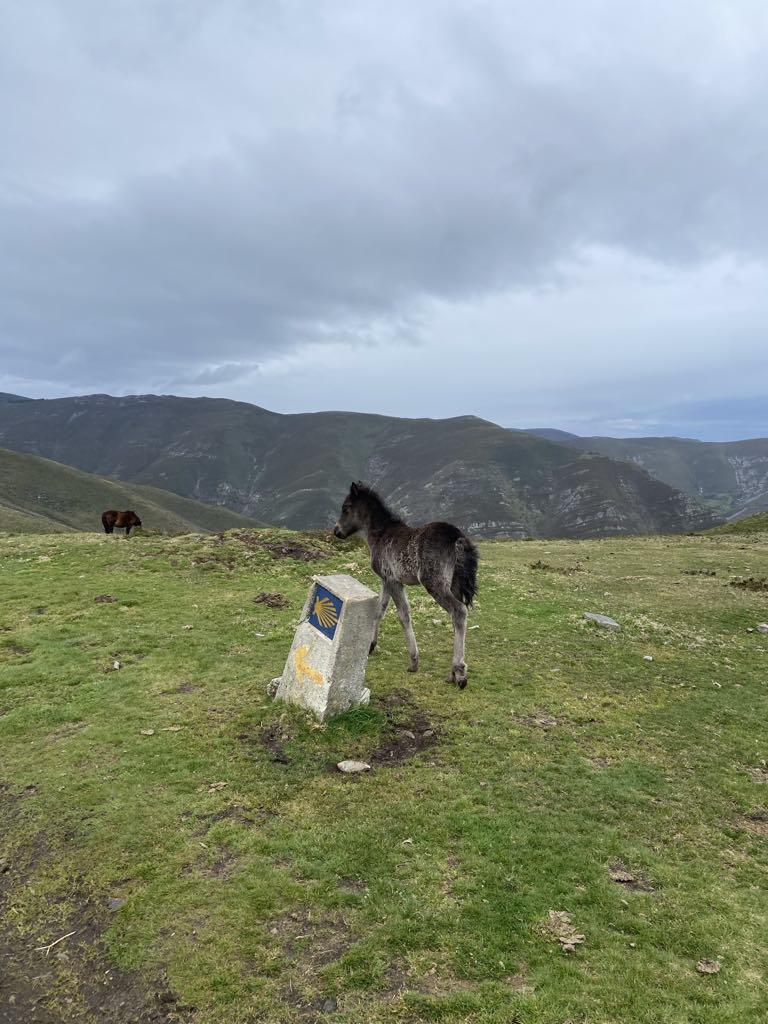
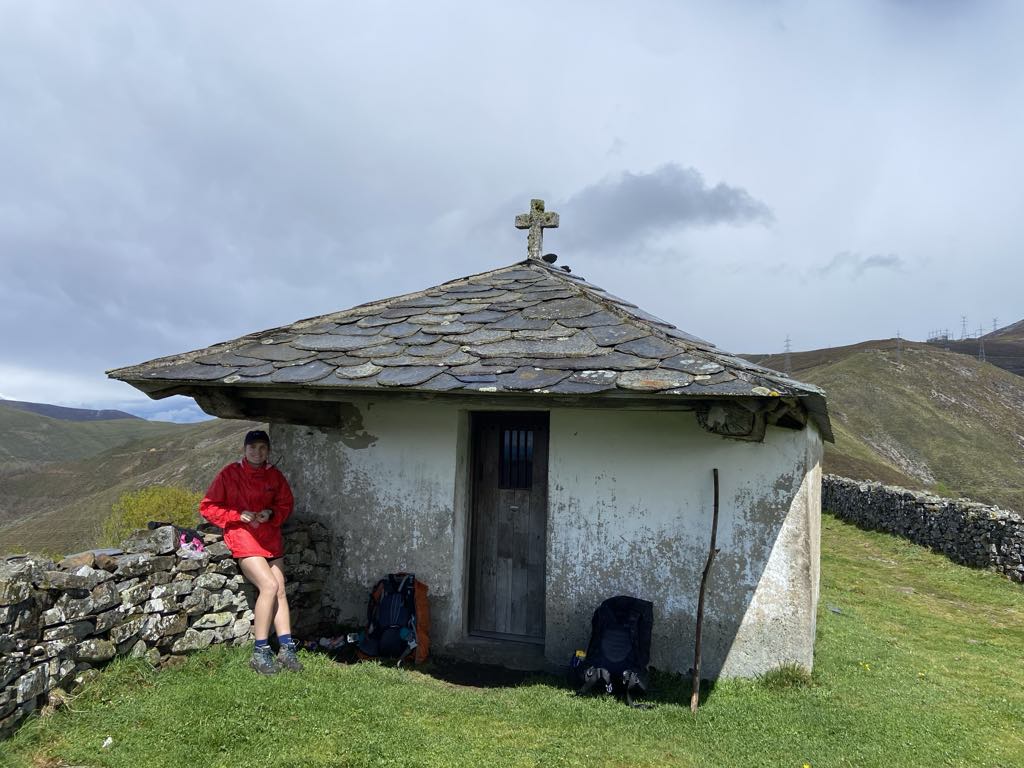
After a break, we took on the final large summit from which you could see far and wide, and nothing makes you feel alive like being smacked in the face by freezing winds. So began the steep descent down a rocky path, which was slow and grueling after the climb. With the exciting climbing portion down, the day started to drag as we walked the final kilometers through woodland. By this time we had been in the rain for about 8 hours, and it was starting to hurt morale. We had fortunately booked our accommodation ahead, and by the time we arrived in Berducedo, all the other beds in the albergue were filled. We were cheered by our fellow pilgrims as we arrived and stepped into the warm reception. The receptionist could not quite believe she was seeing bare legs and she was quick to get us to our room. We were sharing a beer and a meal in no time, and this was one of our favourite albergues because the food was amazing (lentil soup, seafood soup). We made friends with an American and British couple who shared stories of their many hiking escapades and adventures on the Pacific Crest Trail.
Day 6: Berducedo to Grandas de Salime (21.7km)
Good morning, and it’s snowing! You can imagine the initial delight, quickly overshadowed by concern as we watched the snow fall while we had breakfast with our fellow pilgrims. We watched them leave, one by one, stepping out into the cold, shuddering as they put on their cold, wet boots and taking the first steps of hours of walking ahead. We had a beautiful Spanish breakfast of toast with fresh tomato and olive oil, with a sprinkling of salt as we watched the snow with our South American friends. We sympathised over our shared expectations of a Spanish holiday in the sun, meanwhile we were experiencing some of the coldest weather yet.
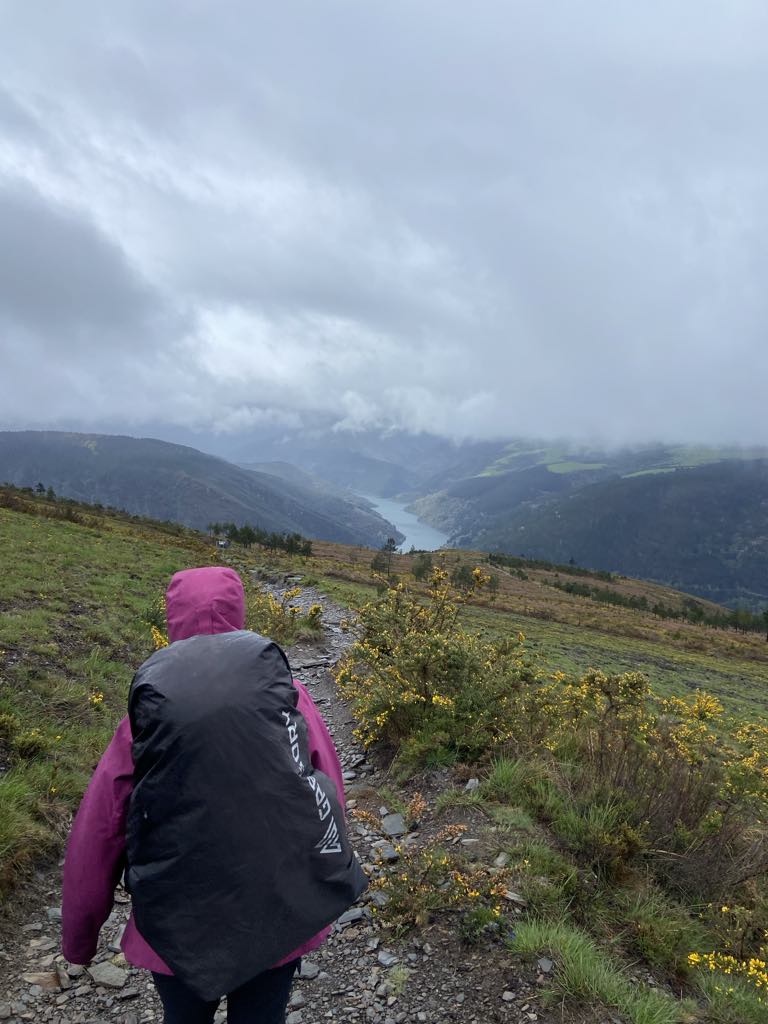
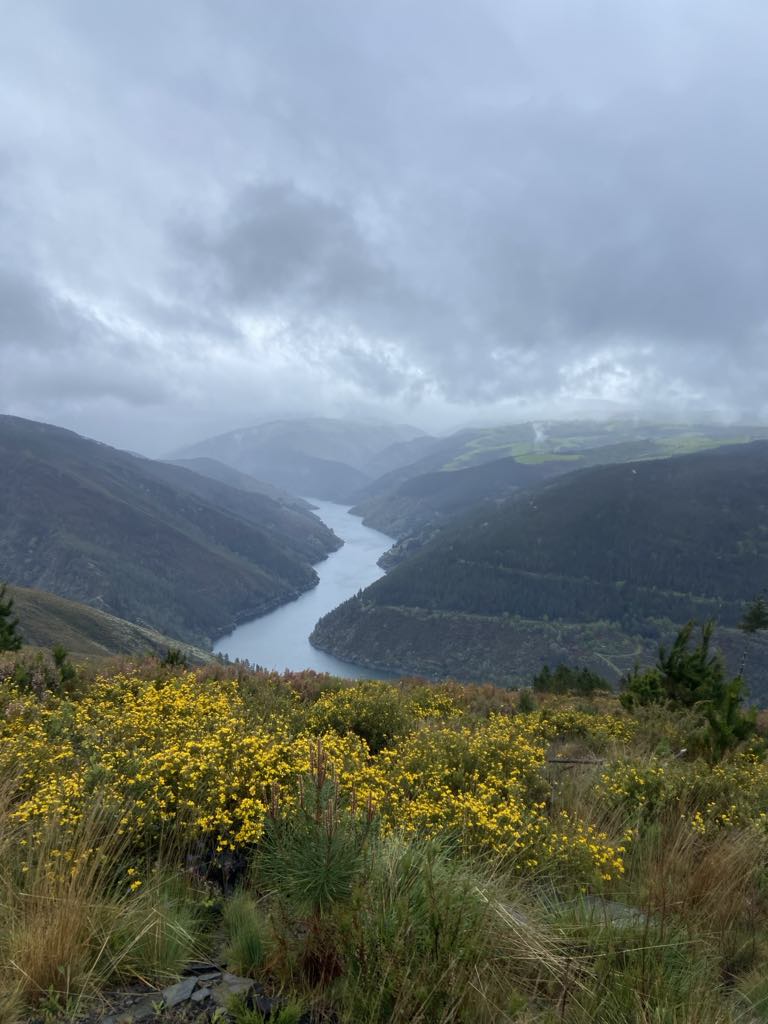
Having not seen much snow, we made the most of it and enjoyed the fun of the flakes falling. It was actually a comical scene, laughing about the beautiful hot sunny Spanish weather we were expecting, and experiencing the reality as snow fell on J’s bare legs (as she only brought shorts for walking). So enraptured with the snow, this was also the morning that we got lost, but eventually got back on track after a short detour. The path then turned downwards and we began a slow descent as a large reservoir came into view below. This felt like a never-ending descent as the water inched closer and closer, but this day included incredible views in misty weather.
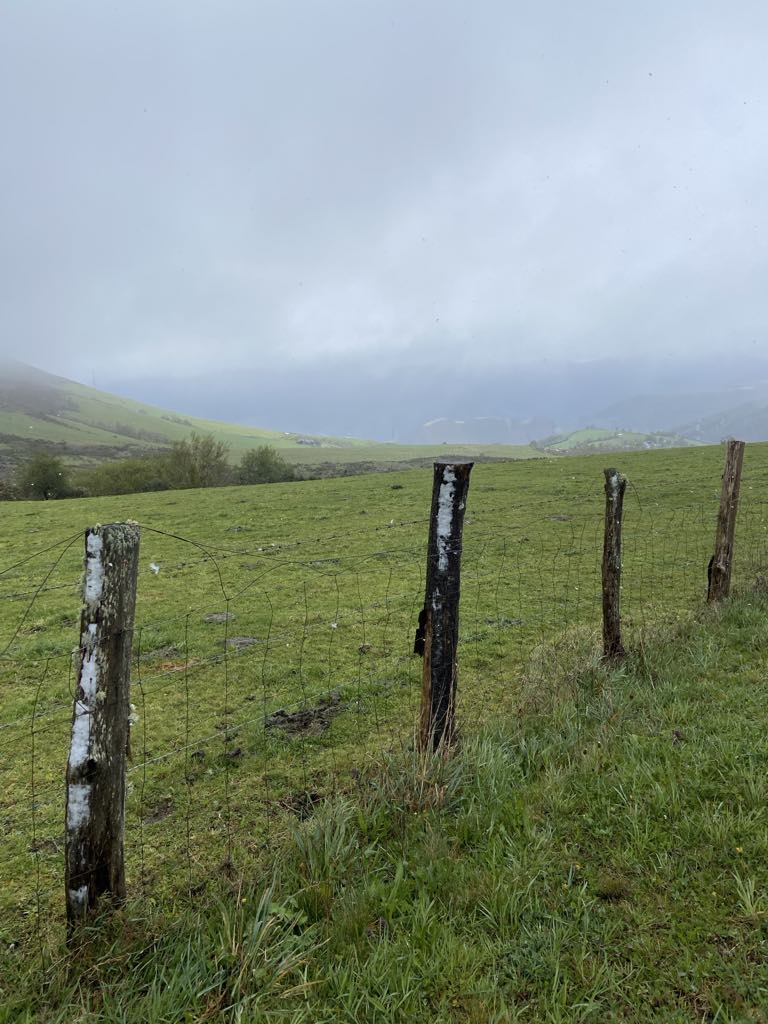
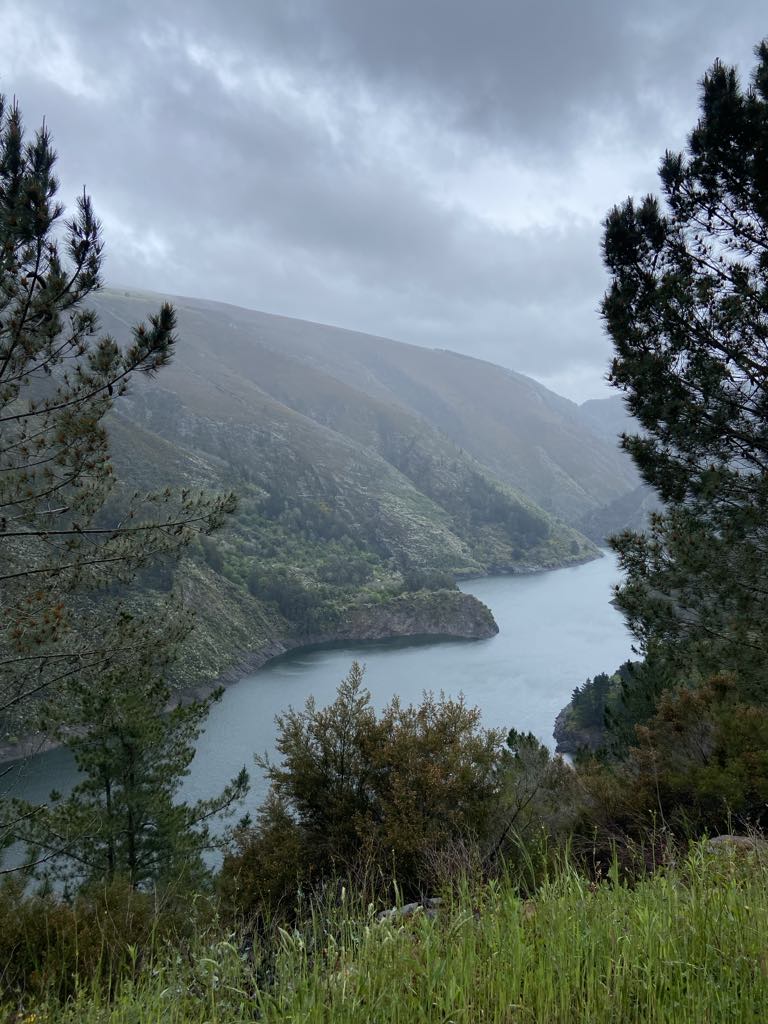
As we finally came to the bottom, we crossed the reservoir via a bridge which was in fact a hydro-electric dam. This must be a big deal because we saw lots of tourists stop to take photos from the dam despite the miserable weather. After a quick meal at the dam, we began the next climb by road. There was a beautiful albergue here which also offered lunch. We didn’t stop, but many other pilgrims did and the reports of food and hot drinks were positive. The final climb is steady and not too steep, and eventually levels out before coming into an easy walk through woodlands as the path crosses into town. We met an elusive Australian girl walking, who until this point, we had only known as ‘the Australian girl in the white jacket’. It turns out she was from Perth, and we had a nice chat about life at home and our travels abroad.
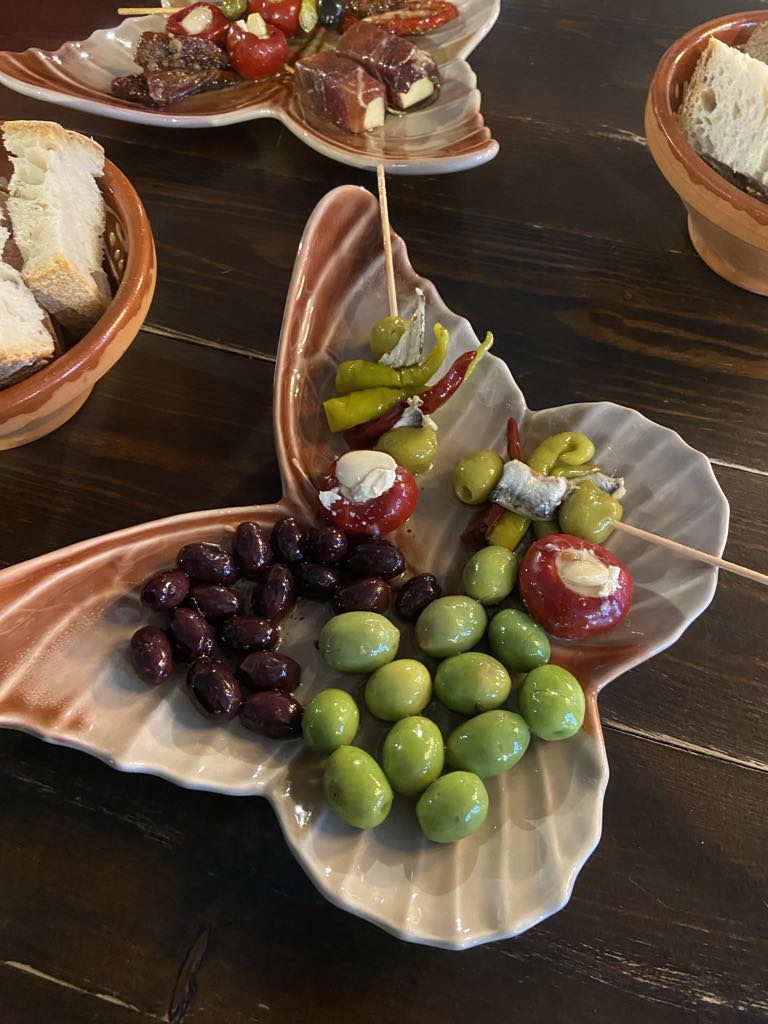
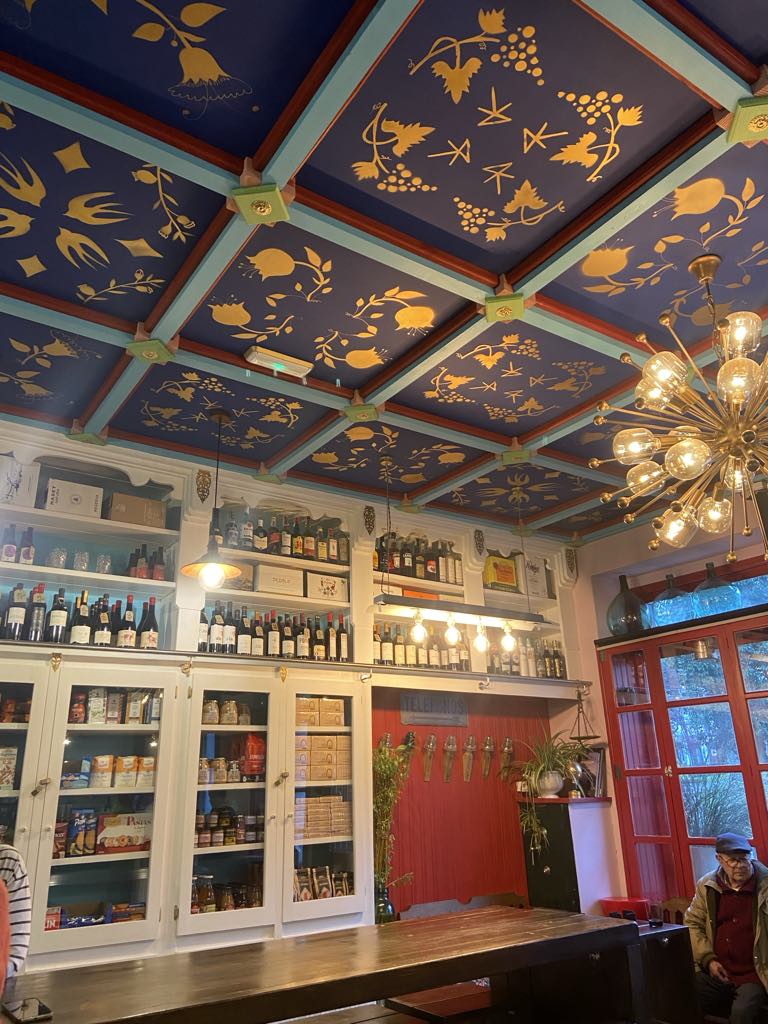
Finally we made it to our albergue at Grandas de Salime. This albergue had rooms of only 4 bunks, and we were lucky enough to be bunked-up with our American/British-couple friends. We decided it was time we finally all had dinner together, and after a quick look at Google Reviews, we headed to Ultramarinos Restrepo which reviewers said would be booked-out constantly if it was in Berlin. This restaurant/bar was so cute and had amazing olives, bread and cheese, paired with good music and an alternative vibe which we didn’t see anywhere else in Spain. The evening quickly escalated as one bar turned into a pub crawl encompassing every bar in town as we shared stories of travel, hiking, relationships and politics. They had met while hiking the Pacific Crest Trail, and were now travelling and hiking together until money ran out and more decisions needed to be made. We had the best night sharing stories, whiskey, wine and charcuterie.
Day 7: Grandas de Salime to A Fonsagrada (26.4km)
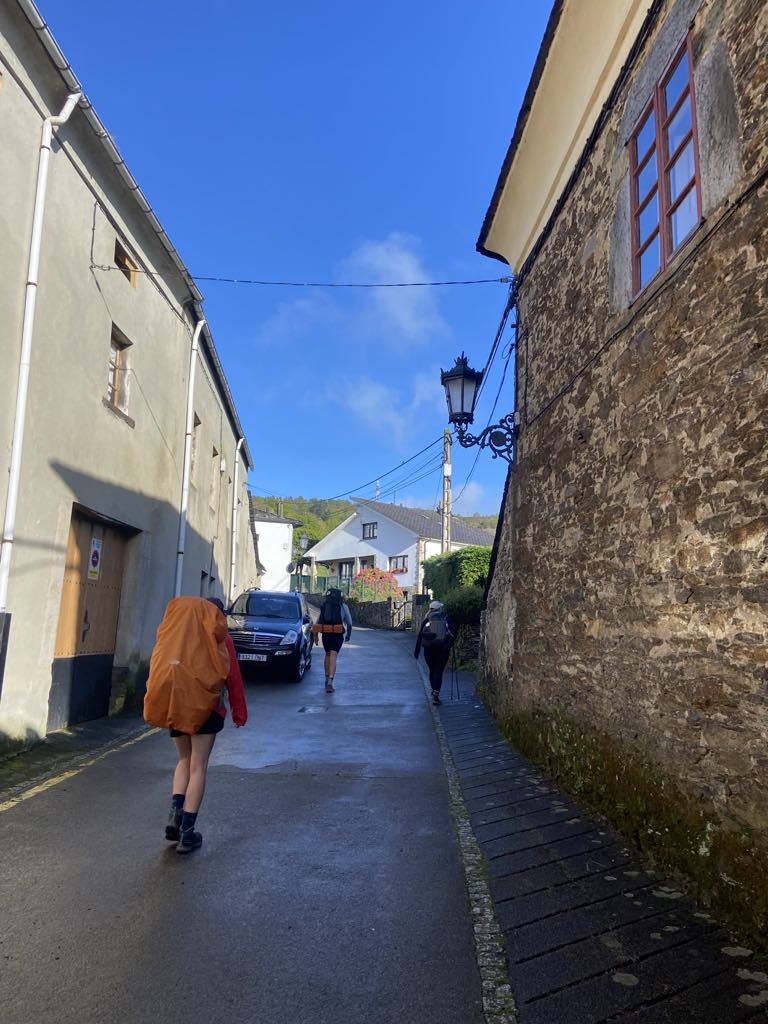
I have never heard of J complain more about being hungover than I did that morning. Headaches galore. And while this was the first sunny day in almost a week (yay! but sadly it was not to last), our celebrations were briefly dampened by the bright glare of sunshine. But a sunny day is a sunny day, and you only do a bar crawl in rural Spain once (well, so far at least) so it was worth it. We headed off a bit later than planned, and slowly made our way. Walking was fairly flat, but there was lots of mud and water lying. We quickly ran into a new Italian character, with lush hair, a suitcase of hand-made jewellery in hand and a recent story of heartbreak, which he repeatedly brought up at any semi-appropriate interval (apparently we reminded him of her because one time she tried vegemite!).
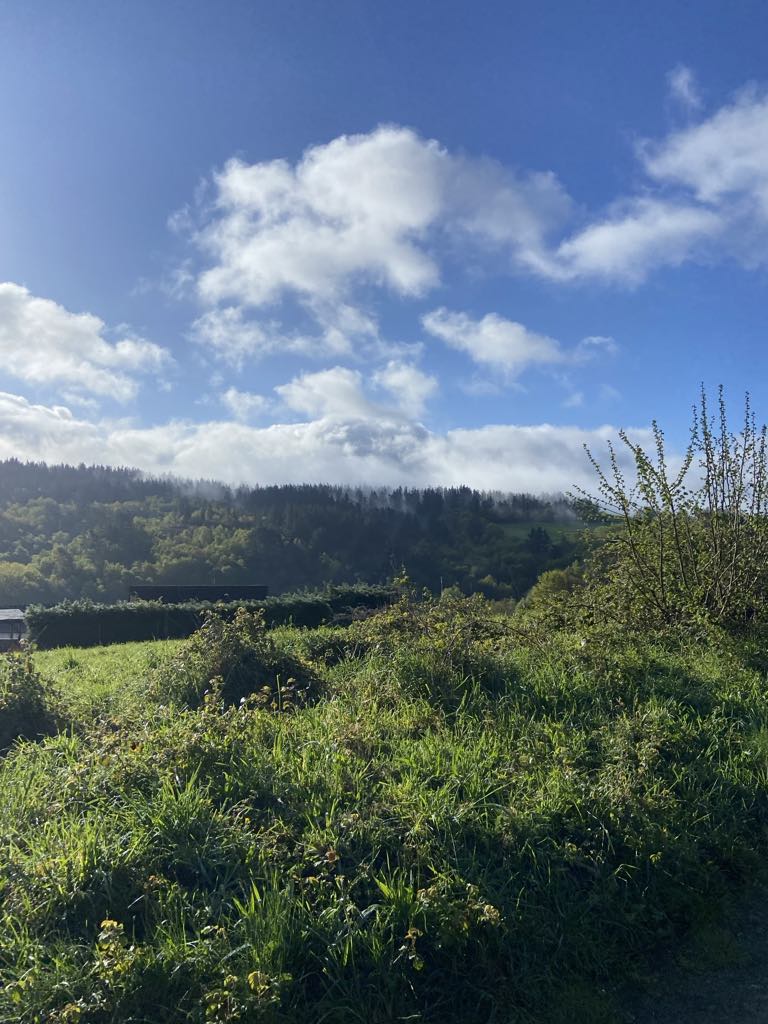
Today we officially passed into Galicia, and as we moved into the new province, the weather turned to thick fog and the track became more up and down. Combining weather, hangover and the distance (over 26km), this felt like a tough day, and our German friend was like an angelic light as he helped us the final few kilometers. We returned the favour by teaching him about gum leaves from the eucalyptus trees which were (amazingly) rife throughout the Spainish forest.
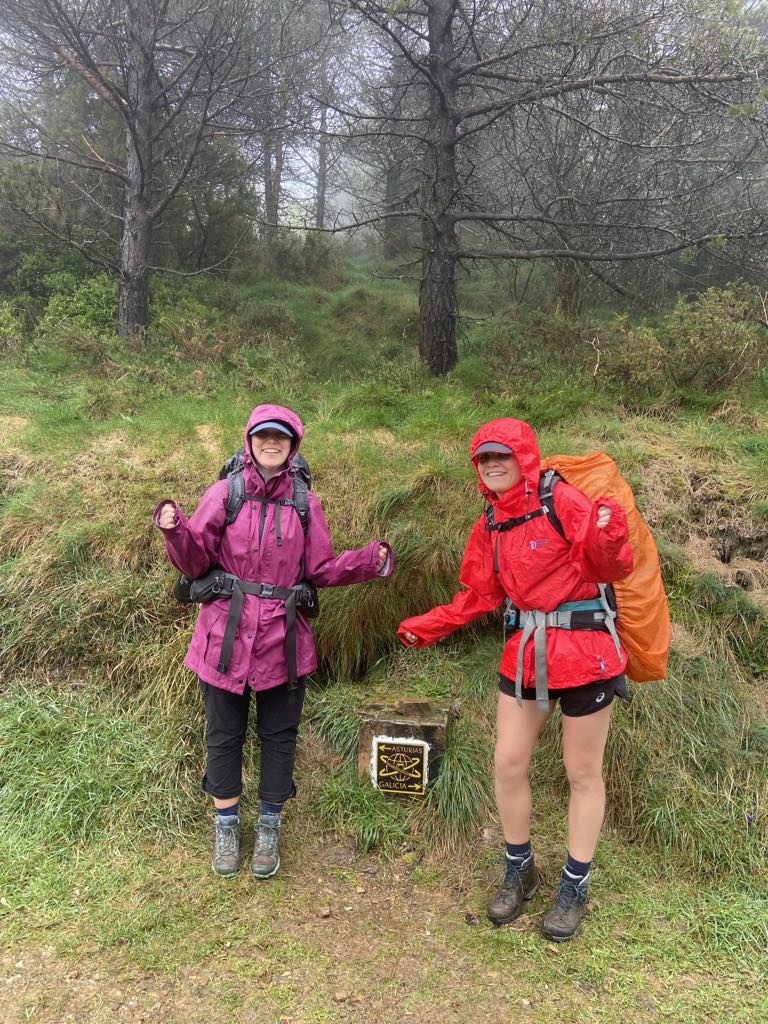
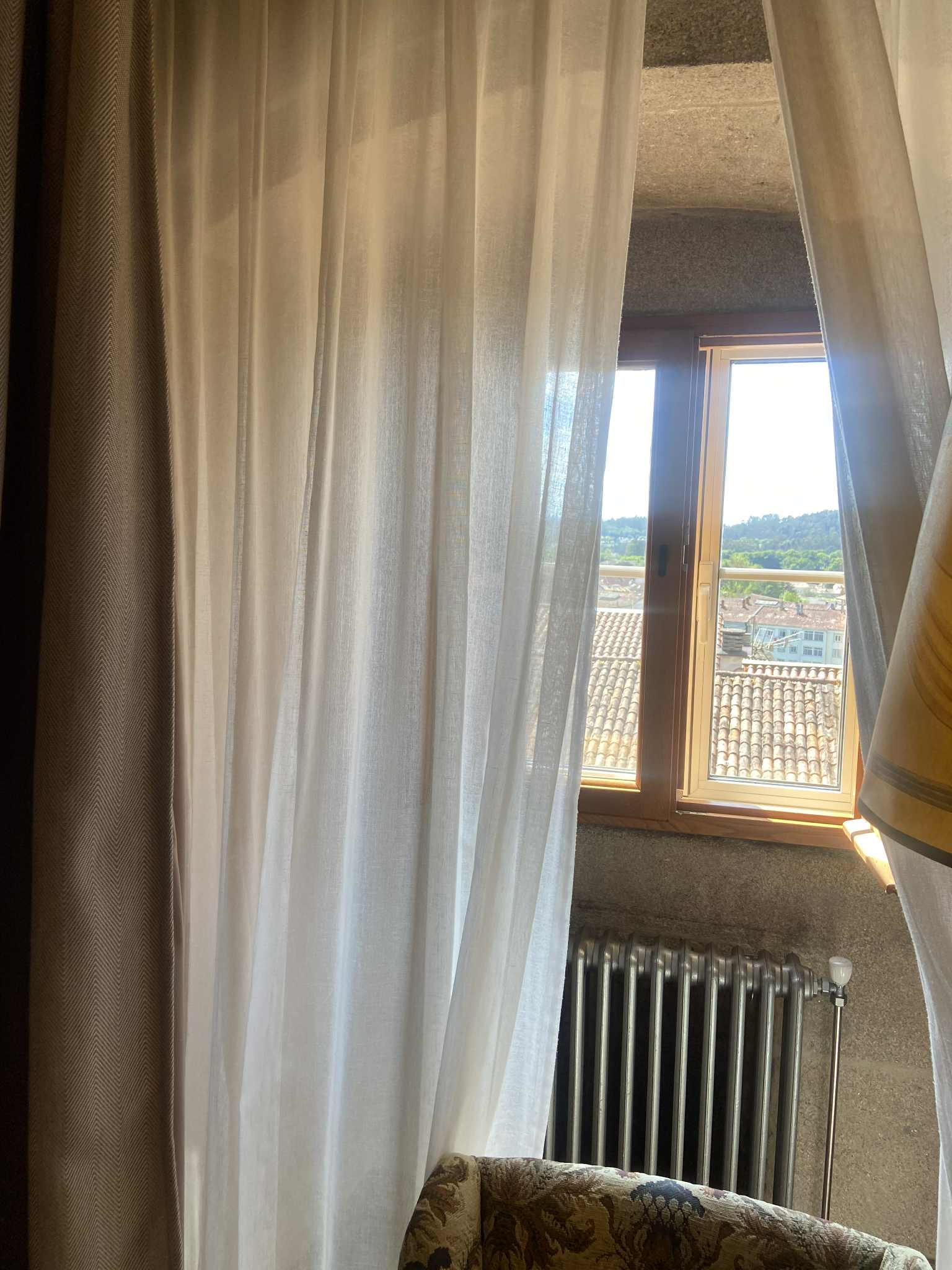
I think the worst section of the whole walk was the very last couple of kilometers on this day, which was essentially a very steep climb up to A Fonsagrada. Fortunately, we had booked a Pension for this night, and so we were living in luxury with a private room, hot shower and radiators to dry our clothing (this was actually an insane luxury after almost a week in wet socks!). We had dinner at Pulperia Caldeira which had incredible food including beautiful seafood, and would recommend a meal here if you stay in A Fonsagrada. In my opinion, this was the day to splurge on nicer accommodation because we were halfway through the trip, the Pension was fairly cheap and it was a tough day of walking (note that it would not be so tough if you aren’t hungover).
Day 8: A Fonsagrada to O Cadavo (24.5km)
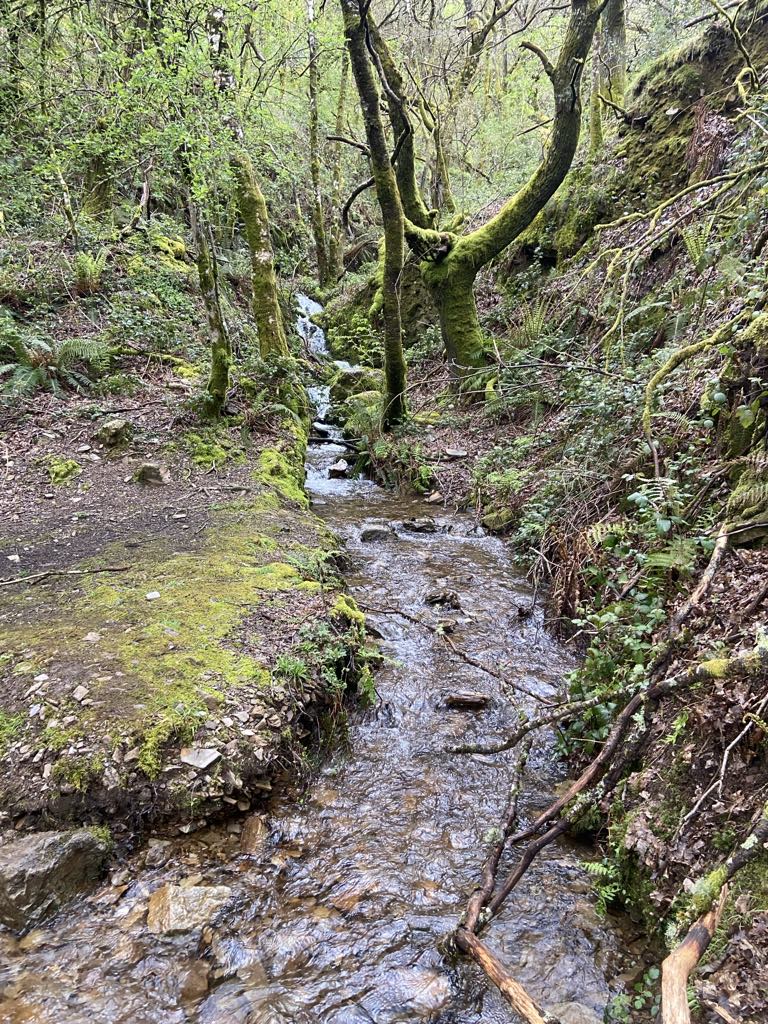
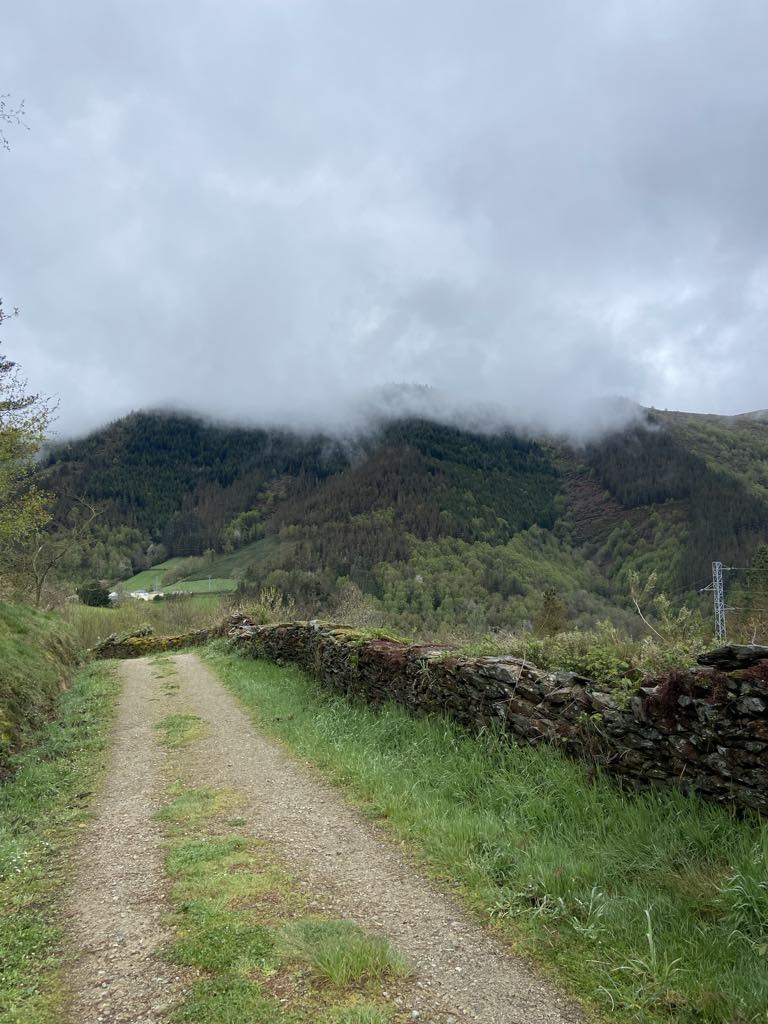
Honestly, not much to report for this day. The walking was fairly flat with lots of walking in woodland and small waterfalls. Finally the sun started to appear (hallelujah) and we also heard a bona fide cuckoo call. We made a final descent into O Cadavo and found an albergue which amazingly had heaters for each individual shoe. This was pretty groundbreaking and very welcome to finally dry our shoes. Notably, I believe this was also the day the pope died which we learned as we prepared our bunkbeds, and our new Italian acquaintance who had been lying in bed in his undies suddenly sat upright to dramatically say “papa is dead”. You might be thinking, how could this day get any worse…
We headed off for a dinner at the only local pub/restaurant. One thing that has surprised me about Spain is the lack of vegetarian options. Our waitress ran us through the menu options. For entre, spaghetti bolognese or beef cheeks; for mains, spicy pig snout or fried sardines; for dessert, tinned fruit or a pudding. Despite best efforts all around, we had continued communication challenges before landing on the spaghetti and sardines. It wasn’t long before we heard the familiar buzz and ding of a microwave downstairs, before a steaming bowl of something appeared before us. The waitress pointed to her nose and suggested we try what we could only assume was the spicy pig snout. This was clearly a special serving just for us, and despite the look and smell, it felt rude to not try it. After some convincing, we both tried the gelatinous, chewy, spicy pig snout which was reminiscent of cartilage. The worst part was yet to come when a fellow pilgrim joined us late for dinner, and upon getting a different waiter, received a brand new menu including vegetarian options of lentil soup and vegetable empanadas.
Day 9: O Cadavo to Lugo (31.7km)
We were a bit nervous coming into this day with a big 32km stretching ahead of us. This was our longest day of walking, but morale was high as it was our first truly sunny day in a long time. There were two opportunities on this day to take ‘alternate routes’ which take you a different path to see particular sights, in this case both alternate routes were longer but took you past church ruins.
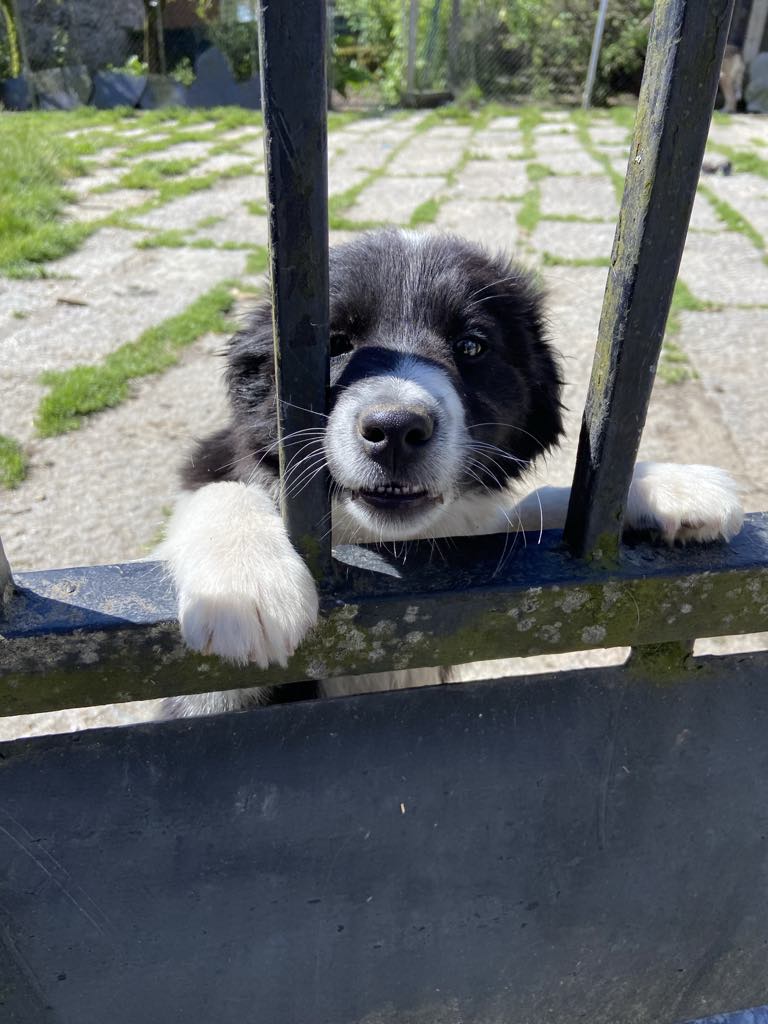
The morning walking started fairly flat, and we passed countryside and small towns, with lots of puppies peeking out of farmhouses and behind gates. We were briefly reunited with our American/British friends when we made a stop for a coffee at a cafe/sports bar before saying our final farewells and going our separate ways as they had planned a shorter day and were staying in a nearby albergue. With only a few days of walking left, we wouldn’t run into any groups that took a rest day again. After leaving the cafe there was some low mood as we considered the remaining kilometers ahead of us when suddenly we ran ran into three pilgrims. One, the aforementioned rockstar-esque American who shares a name with an American city; two, his mother; and three, his aunty who lives in Mexico. We started walking with them and chatting, before the group gradually separated and we were walking with our new friend (and Camino angel) the American rockstar. Interestingly, he is in fact a DJ so looks weren’t entirely deceiving. We walked together for hours, shared a picnic lunch in the church ruins and this fresh conversation made the walking seem so much shorter. Our German friend from day 1 who we had run into every few days caught up to us, and the four of us walked together for another couple of hours.
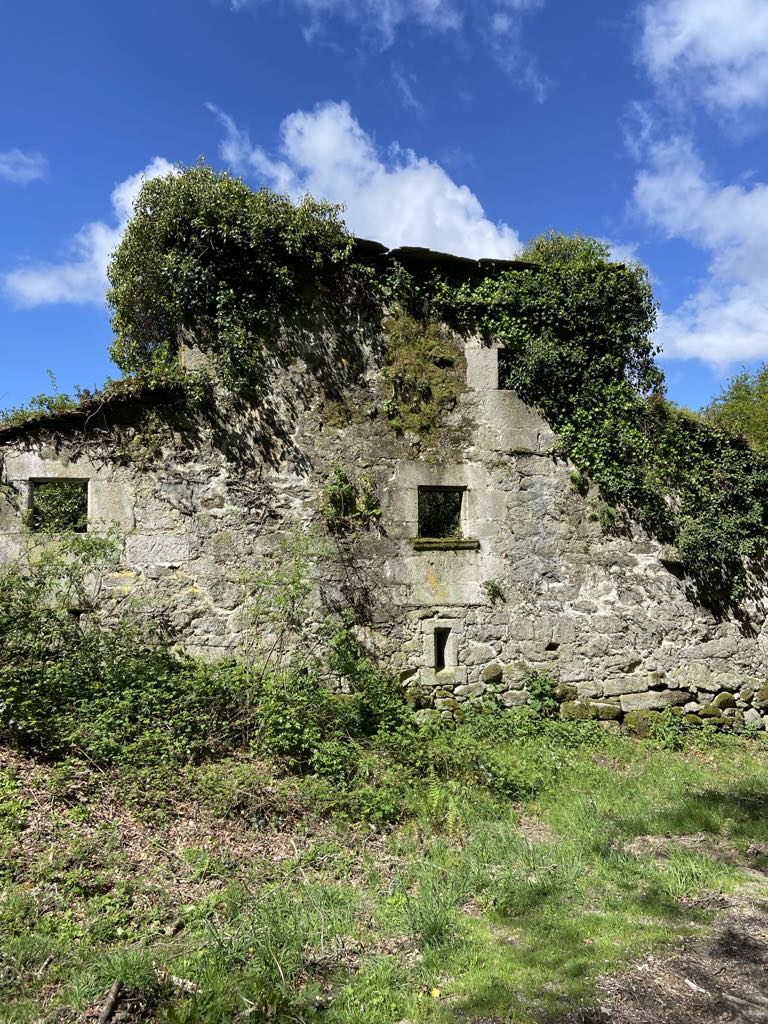
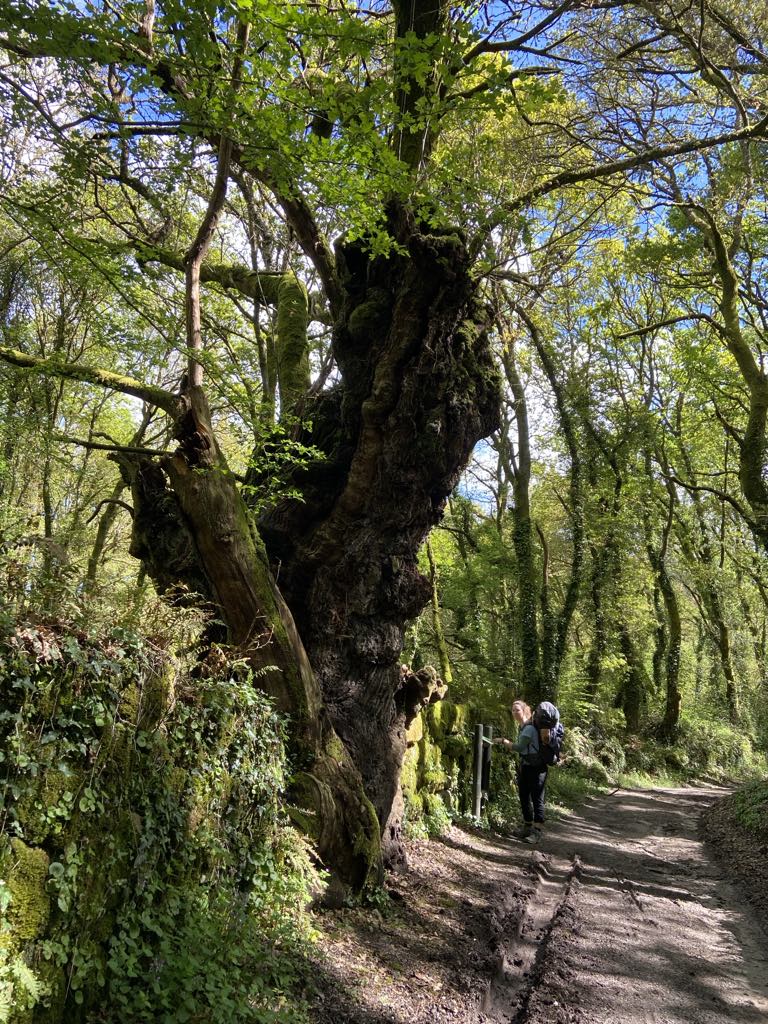
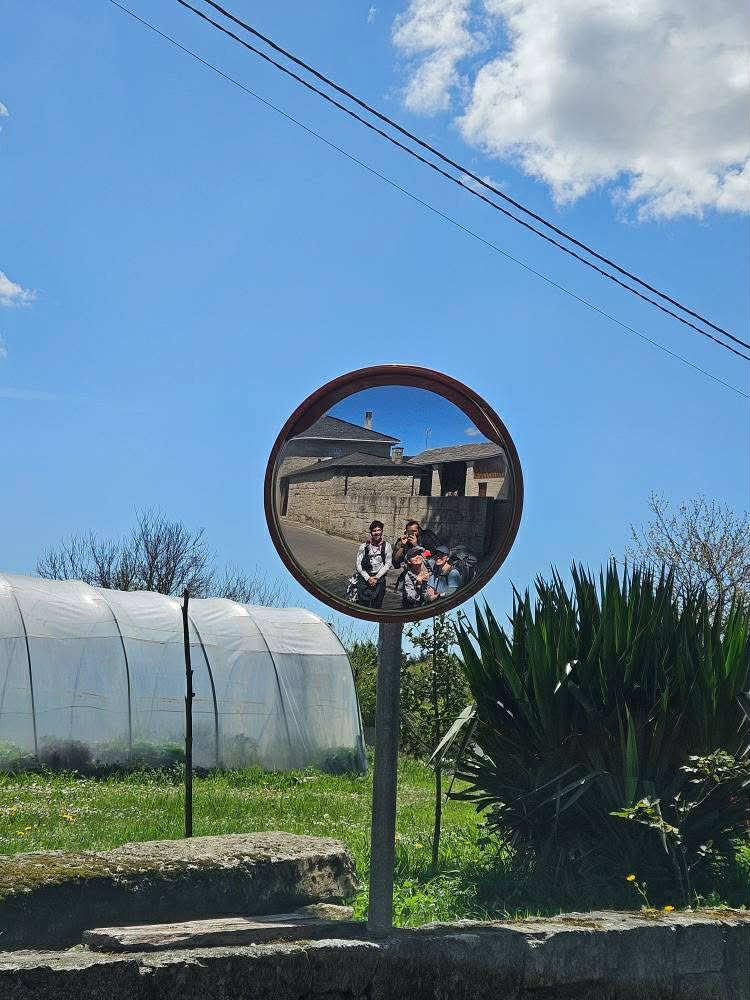
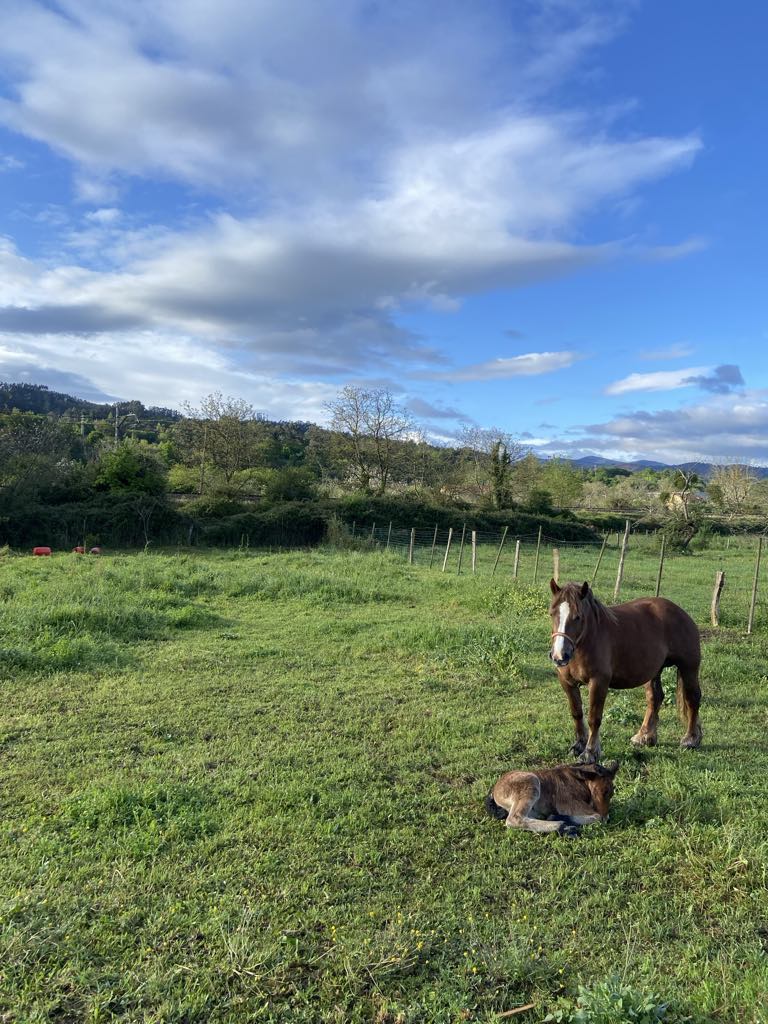
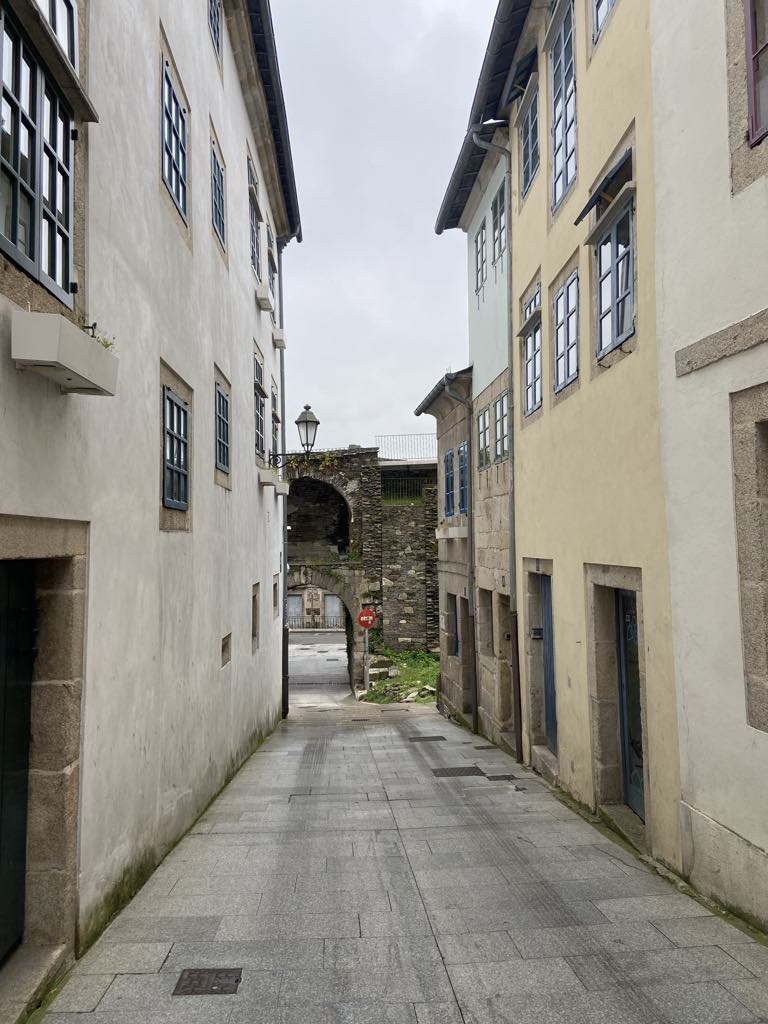
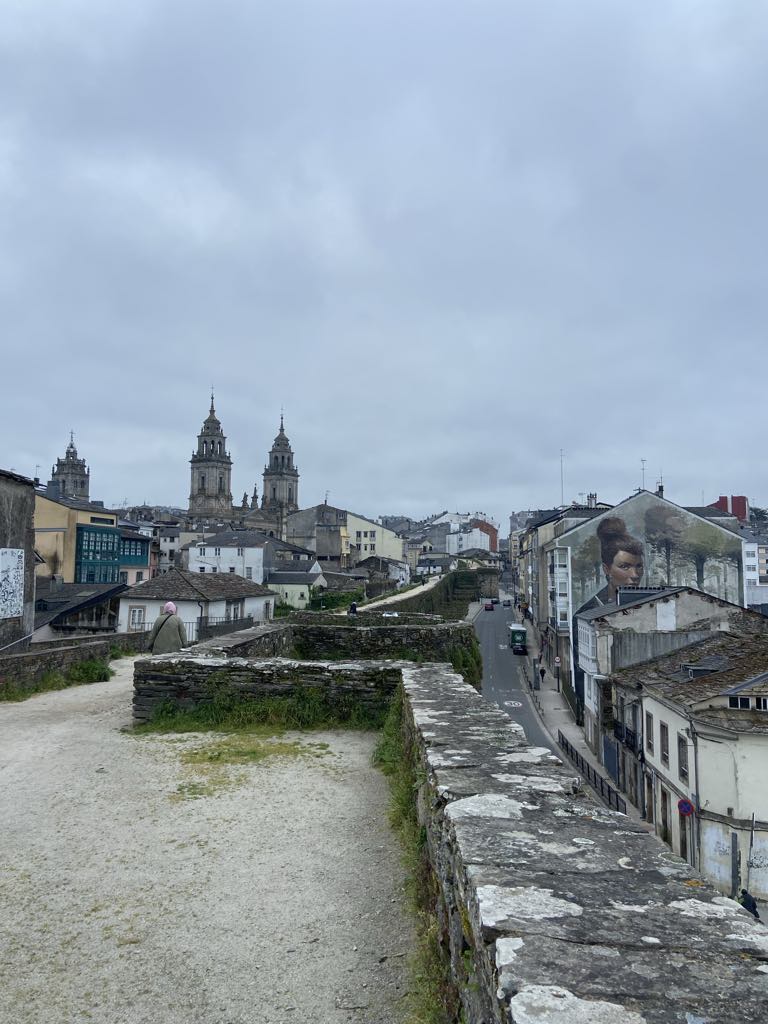
At about the 27km mark, we separated from our friends and started to smash out the final few kilometers. The feet were really feeling the pain at this point of over 200km of walking. We had a final picnic in the fields to eat some lollies and watch the friendly horses nearby. From here we made the final sprint to Lugo. Coming into Lugo is quite the descent, and we walked through tiny streets of a bygone era. Lugo is 100km from Santiago, and we took an obligatory photo at the 100km mark. Lugo is a small city with an important historical quarter. Lugo boasts an almost 2km ancient Roman wall around the old city, and we would absolutely recommend staying inside or near the wall. There are lots of cafes and restaurants inside the old town, and it is amazing to walk through the old gates into the city.
We had dinner in the old town and met up with our fellow pilgrims for some more final goodbyes, with lots of pilgrims choosing to stay a day or two in Lugo. While we didn’t have the time for a rest day, Lugo would be a great place to stop if you have time as there are lots of historical and cultural sites to see.
Day 10: Lugo to Ferreira (28km)
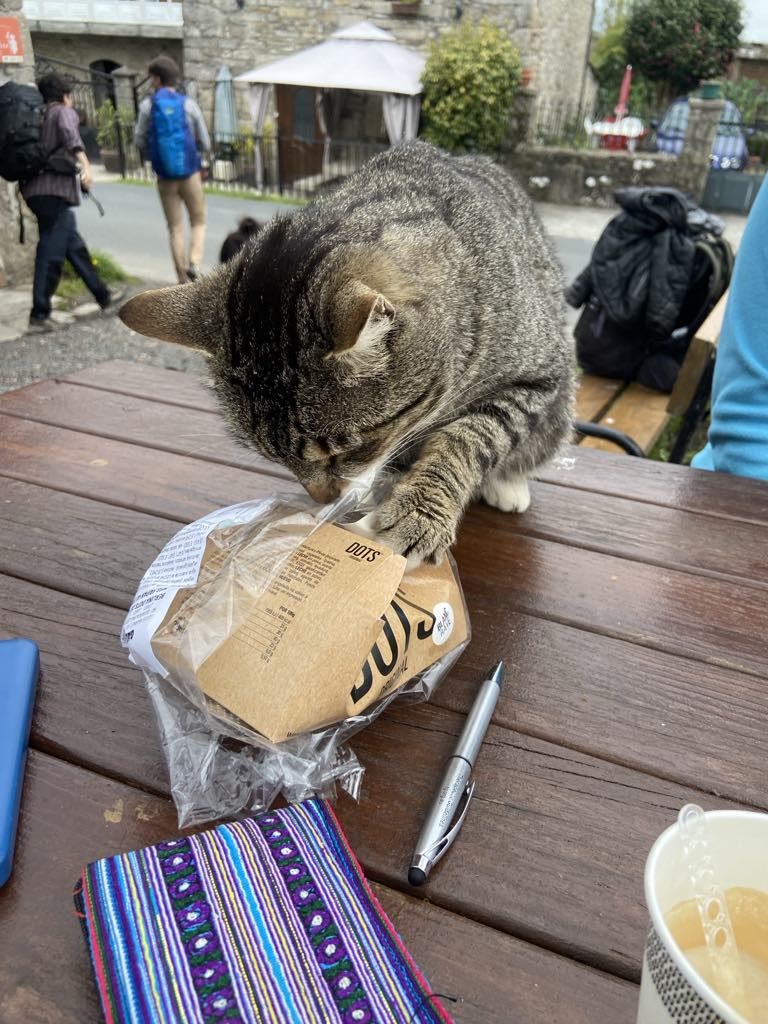
If you ever make it to Lugo, don’t forget to climb the wall and walk the path at the top of the old city walls. It was from here that we started walking on Day 10 before lots of flat walking through countryside. Lots of this day was road walking, and we were sadly tricked by our Camino app into thinking we could have a lovely morning tea stop at a cafe, only to learn that in reality this was a broken vending machine. This day felt long and a little boring, and we eventually came to Ferreira. We continued walking to the other end of town to get to Albergue Ponte Ferreira. We had a beautiful sunny afternoon with homemade sangria in the courtyard. Our American/Mexican friends also stayed here and a few stories of the day were shared before an early bed.
Day 11: Ferreira to Boente (26km)
As was sat in the courtyard for breakfast, we started to see movement in the thick fog around the albergue. As the fog lifted to mist we began to realise the sheer volume of pilgrims en route to Santiago. We had officially joined with the French Way. This put a bit of fear in us as we had not booked beds for the night, and the huge number of people made the walk feel a little less enjoyable. Nonetheless we started walking, passing lots of churches, cows, some river crossings and constantly overtaking and being overtaken by people. It was a very hot afternoon, and we stopped for an icypole at one of the many cafes. Almost immediately after joining the French Way we felt the change in the number of people walking as well as the number of cafes and albergues.
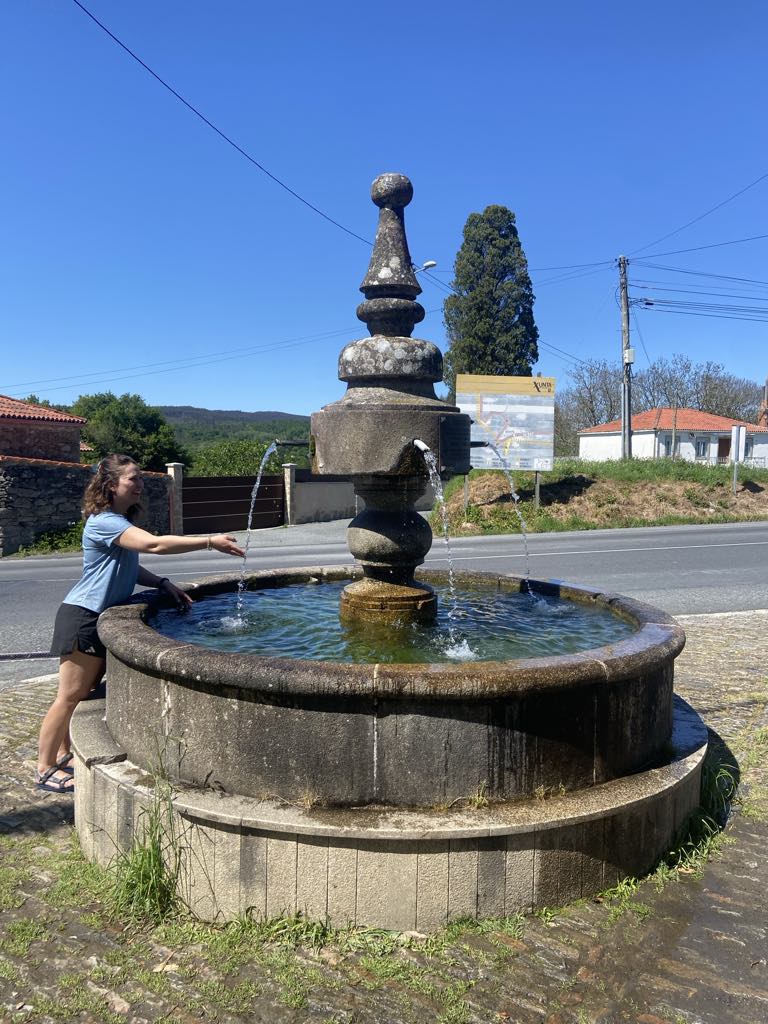
We arrived in Boente fairly early in the day and were lucky to get beds in an albergue. Arriving early meant we had more time to explore the town which included one church, a water fountain and about five albergues. We got to have a beer and read our books in the afternoon sun before being joined by some fellow pilgrims for a catch-up and tapas. We shared a meal with an eclectic mix of pilgrims including a Spaniard who was religious about sun safety despite a fondness for beer and cigarettes, and a possible Czechian spy who refused to be in any photos and had a habit of suddenly appearing out of nowhere.
Day 12: Boente to O Pedrouza (27.2km)
We had a quick breakfast at the albergue and met the overly-friendly oldest resident in town (92 years) who offered to be our ‘Boente abuelo’ before we got en route. This day was even busier on the track with lots of pilgrims and school groups. The walking was flat and easy, and there were lots of nice spots to stop for a snack. We again felt the pressure of arriving early enough to get a bed, and the large municipal albergue which we’d heard of along the grapevine had hundreds of beds but on a first come first served basis. It felt like a long day of walking when we arrived at the albergue and successfully got two of the finals beds available. Our Mexican/American friends got the last 3 remaining beds. We went out for a final dinner with our fellow pilgrims before heading back to the albergue. The chorus of snoring continued all night, and one lithe French woman repeatedly jumped down from her top bunk to wake-up a noisy snorer below (who was a complete stranger to her!).
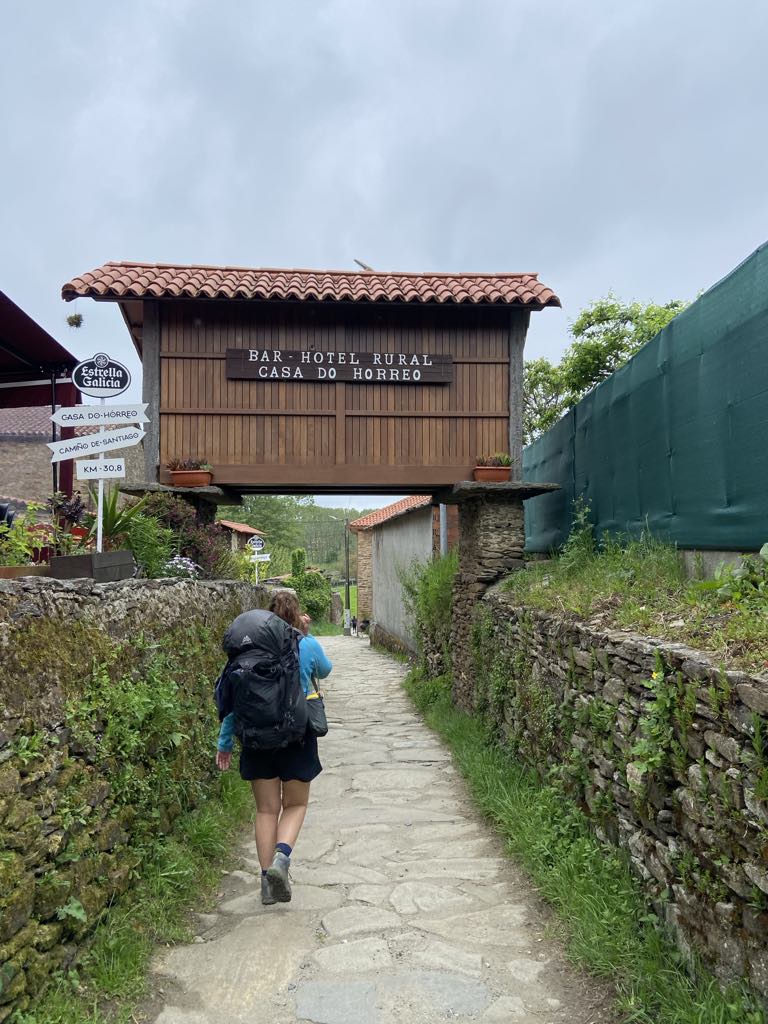
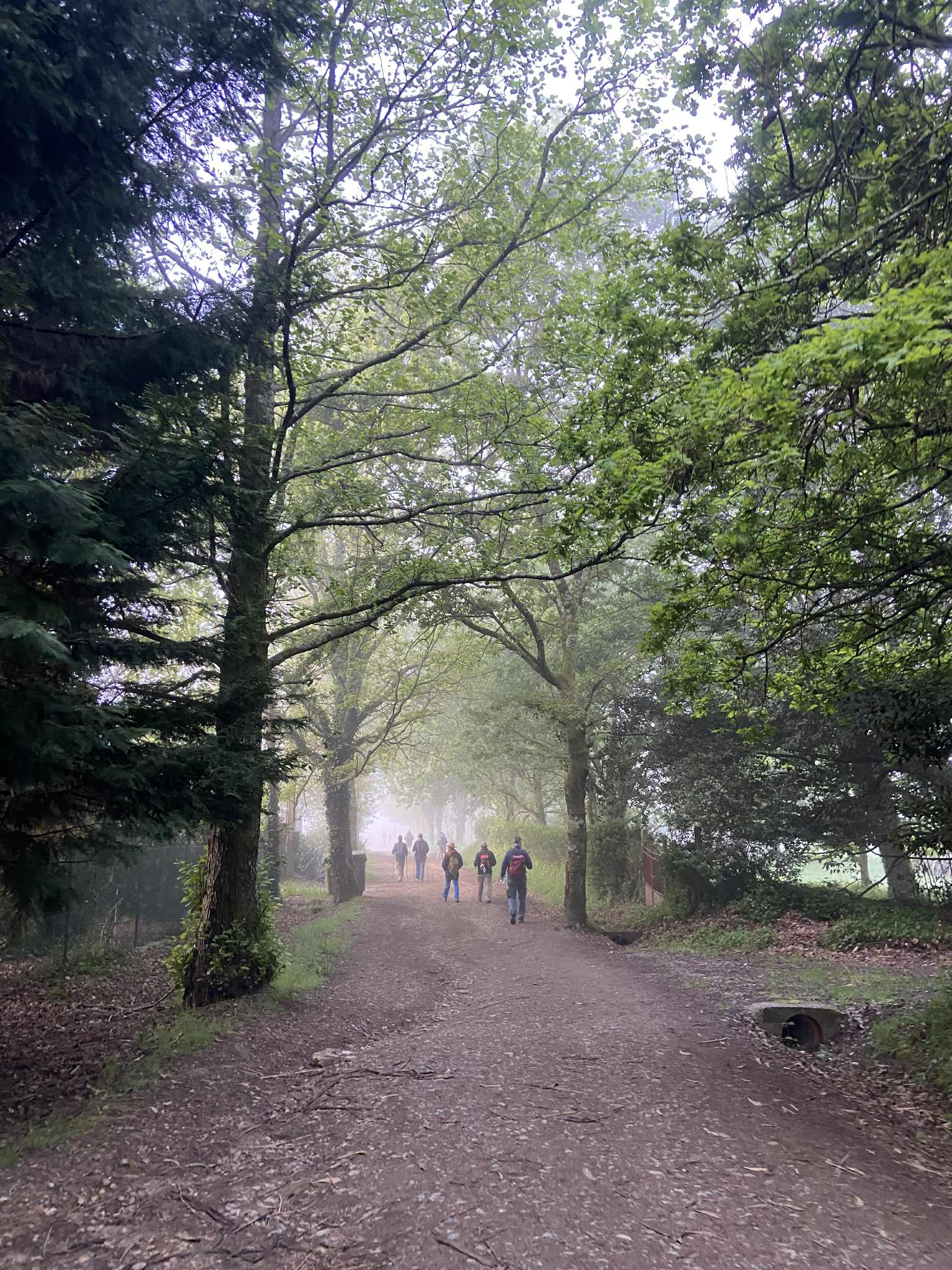
Day 13: O Pedrouza to Santiago (20km)
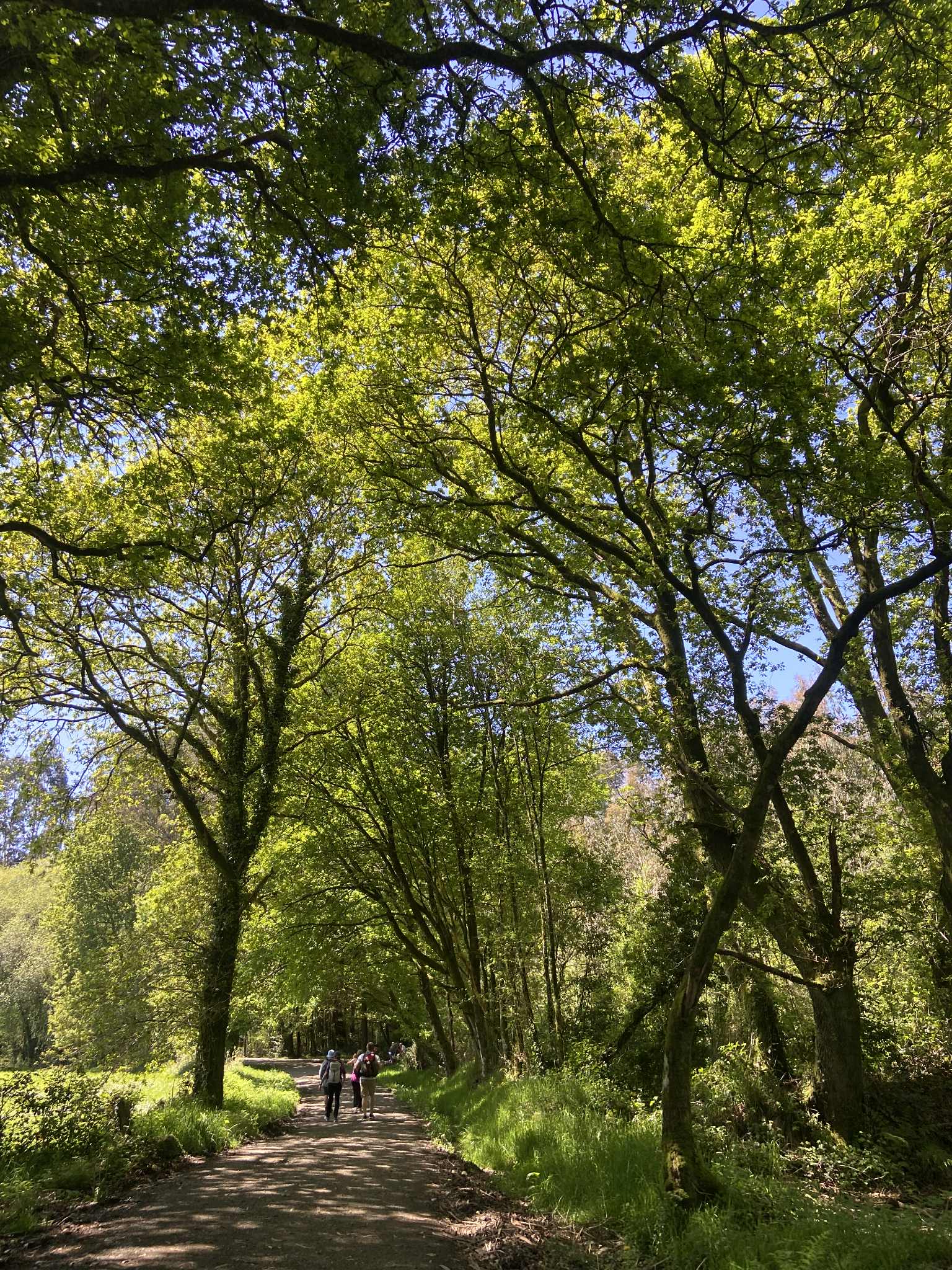
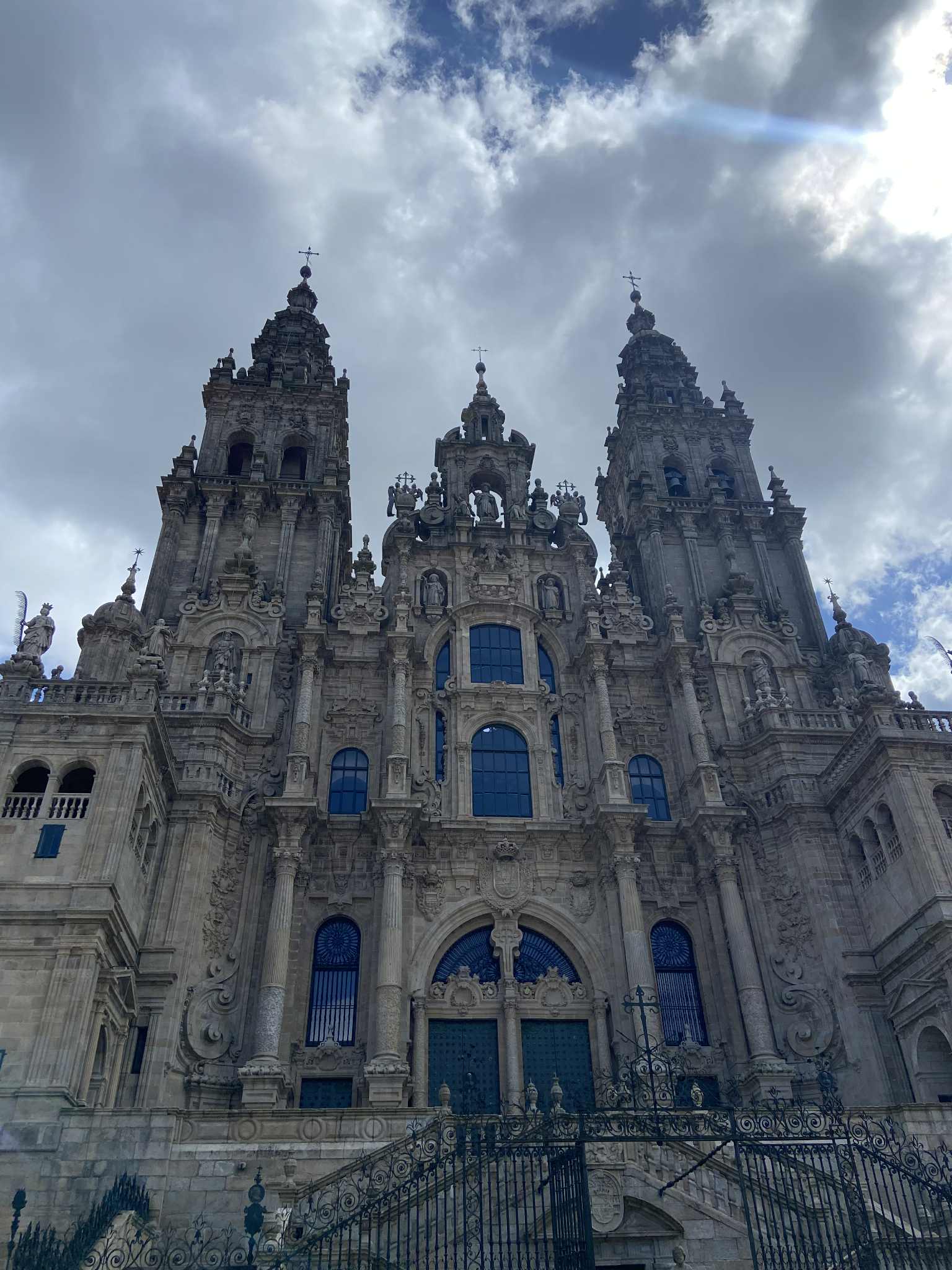
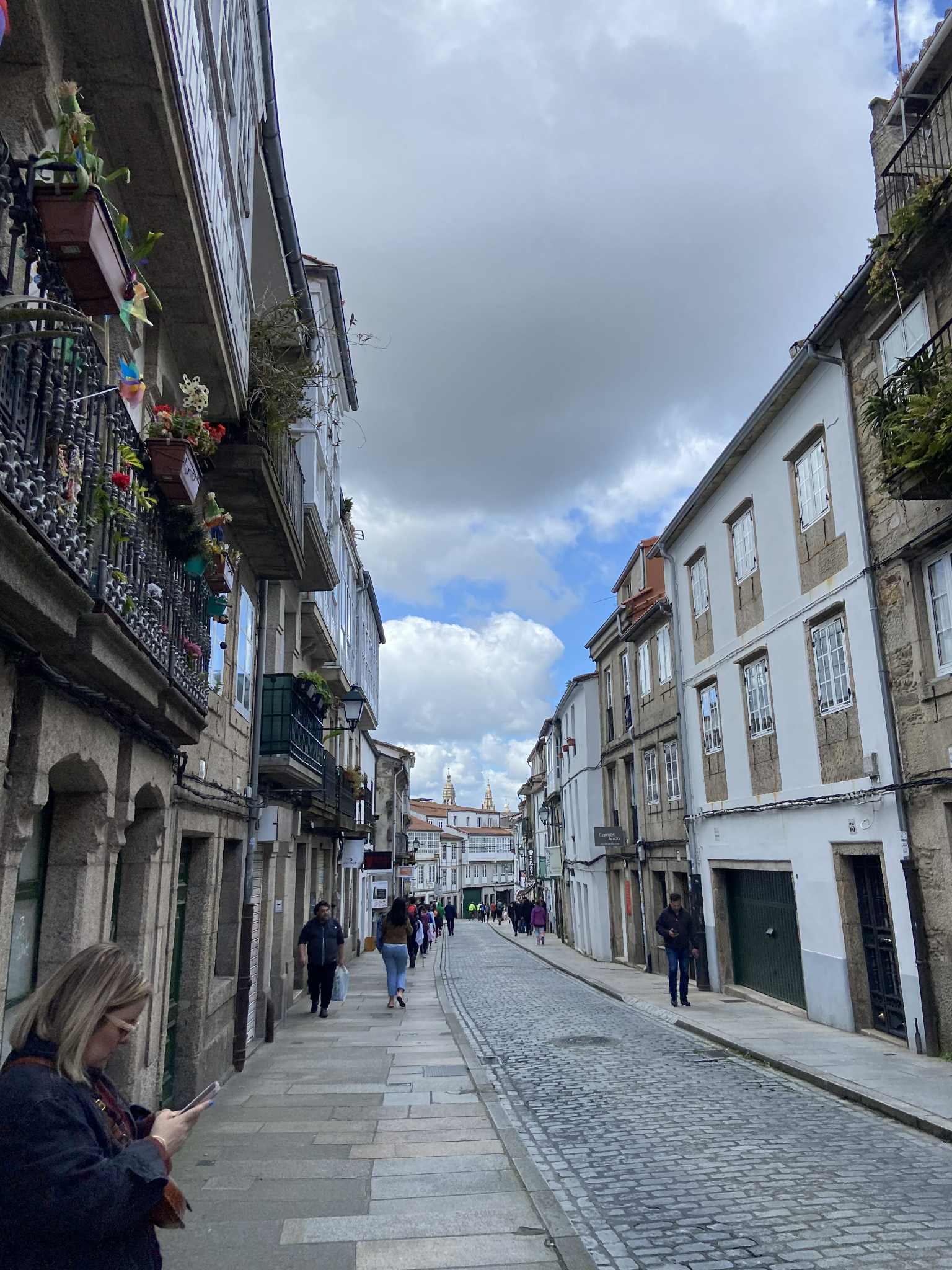
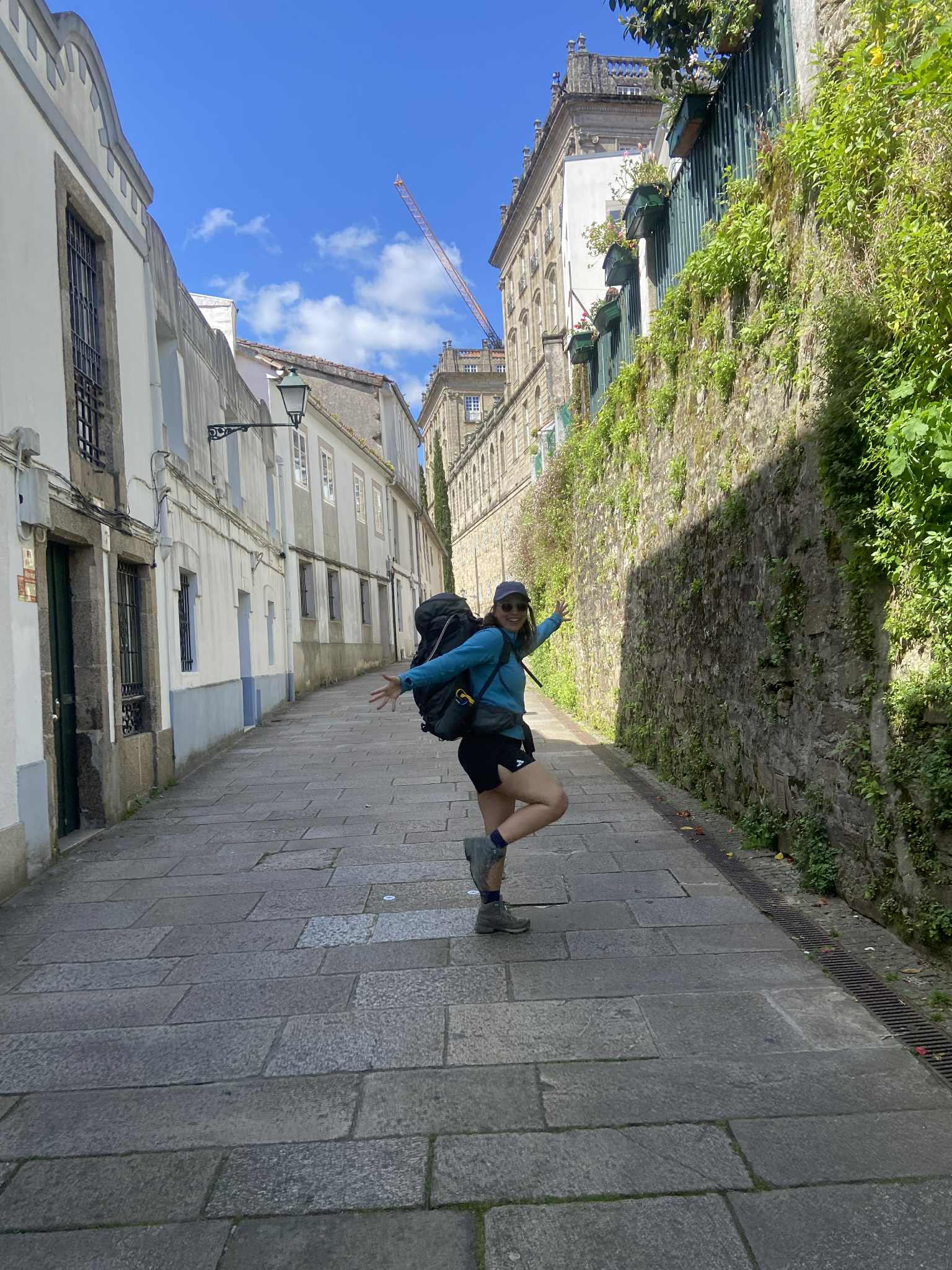
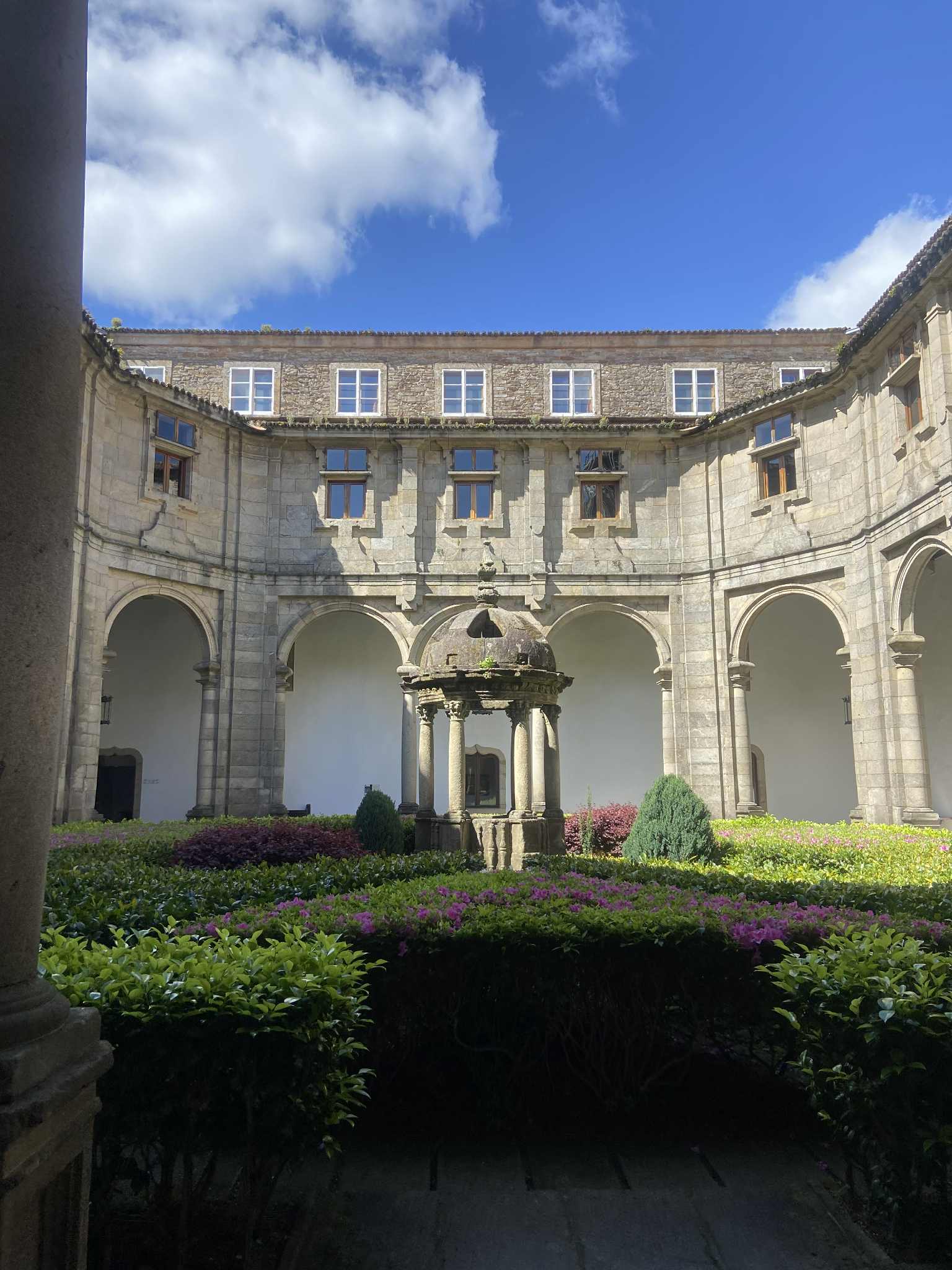
Finally we had made it to our last day! We were feeling energised and could feel the collective excitement as all the pilgrims headed towards Santiago. It was simple flat walking through woodland, and we passed lots of people busking or selling trinkets or souvenirs from stalls along the track. Eventually we started a descent towards Santiago and could see a city sprawled before us. We walked along the road and for periods this was quite slow due to the bottle-neck of pilgrims. However, as we came to the bottom of the descent the path changed to cobblestones and we knew we weren’t far. It was so exciting to start walking through the medieval streets of Santiago with each street getting smaller and older the closer we got to the Cathedral. We followed the stream of pilgrims and the sound of bagpipes which led us to the large courtyard in front of the cathedral. There were so many people celebrating the completion of their pilgrimage (including our pilgrim friends who cheered us on as we arrived) and we got some obligatory photos before heading to the tourist office to get our Compostellas. We had a final celebratory lunch with our pilgrim friends before going to our fancy historical accommodation at the Parador.
Reflections: Peaks & Pits
Camino is a spiritual experience for lots of people, whether religious or otherwise. We met people who walked the Camino for faith and pilgrimage, for spiritual sanctuary, in search of peace or clarity, to challenge themselves, to remember someone or to inspire someone. It was a deeply personal experience for many of our fellow pilgrims, and it gave a real appreciation for the moments of joy amidst hours of walking and moments of difficulty. The time spent in nature, while not always enjoyable (think hail, snow, rain and mud), is really freeing, centering and a privilege in lives spent mostly inside.
There is a sense of comraderie and solidarity with pilgrims which on some occasions resulted in learning about some of the most challenging parts of strangers’ lives and what inspired them to walk 320km. A level of inspiration and vicarious resilience comes from the sharing of stories and the sharing of human experiences which were often the prompt for the journey (death, loss, sickness, uncertainty). On a more superficial level, the social parts of the Camino are unlike any walks we have done in Australia and it was reminiscent of school trips (in the most positive way) or backpacking and making new friends along the way. There are lots of unique characters to be met along the Camino, and this will always keep you entertained!
What have we learned? Well, I’ve decided that my favourite walking distance with a pack is up to 20km a day, and walking long km’s back to back has more of a toll on my body than I’d expected. If we were to do it again, I would make sure we had at least one spare day that we could use as a rest day, or give the option to make shorter days. I would also buy some water-proof pants and take a lighter-weight rain jacket. After so many hours, the rain eventually seeped through and the rain jacket was large and heavy to carry, so I would prioritise taking something that was less heavy-duty.
Will there be another Camino in my future? Maybe the Portuguese coastal route for the sun, beach and a younger crowd. Overall, the Camino offered a unique journey, but I did miss our multi-days through the Australian bush.


Leave a Reply